
The central problem
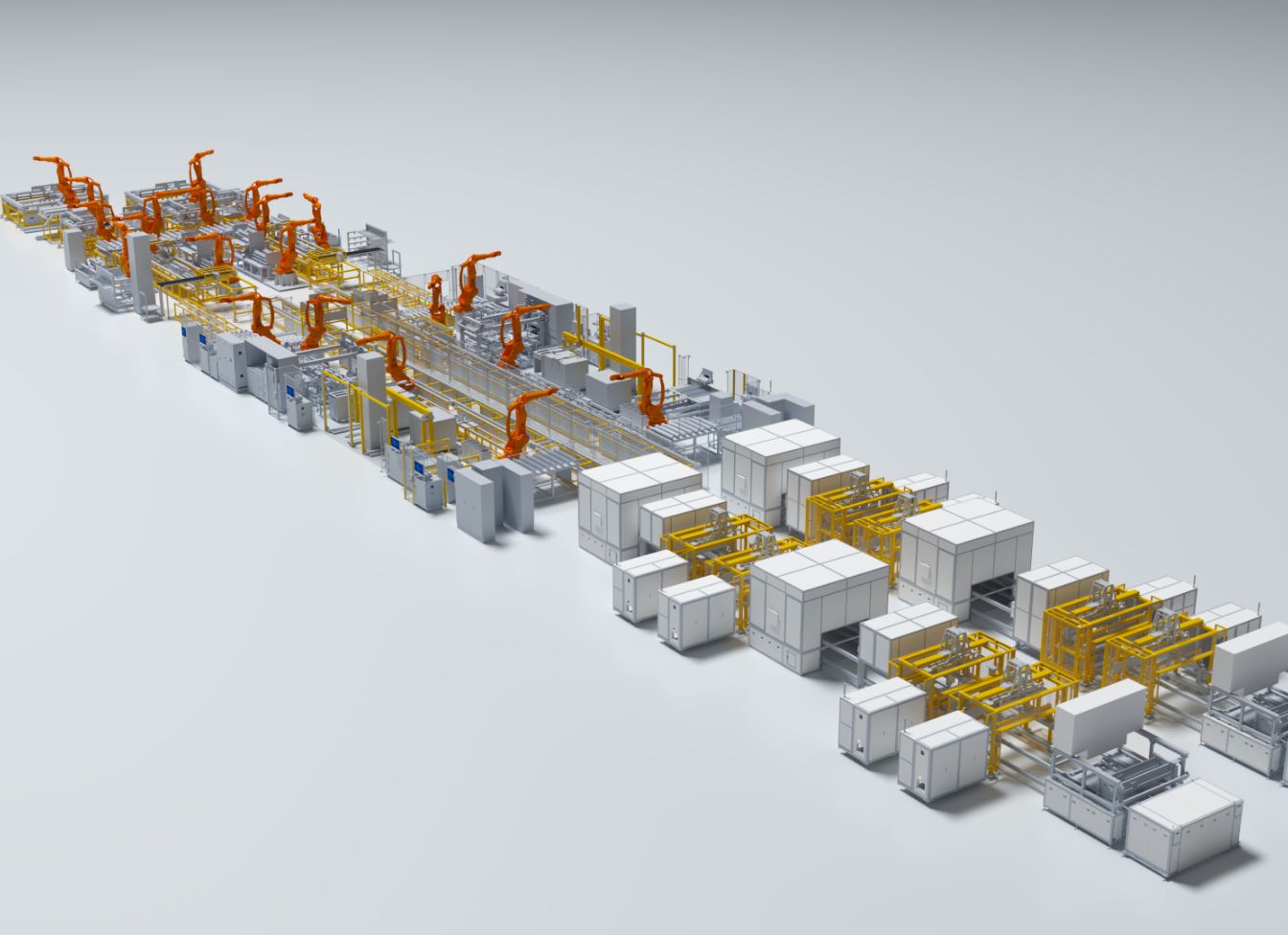
Factories rush to make more batteries. The shape changed — long, thin cells that look fragile. They promise energy density and safer thermal behavior, but they break standard workflows. Operators trip over handling issues. Test lanes choke on throughput. The question isn’t whether blade-format cells will stay; it’s whether production can keep up without sparking failures. A dedicated blade battery assembly line tackles the bottlenecks at each step, or it exposes them.
Where production breaks first
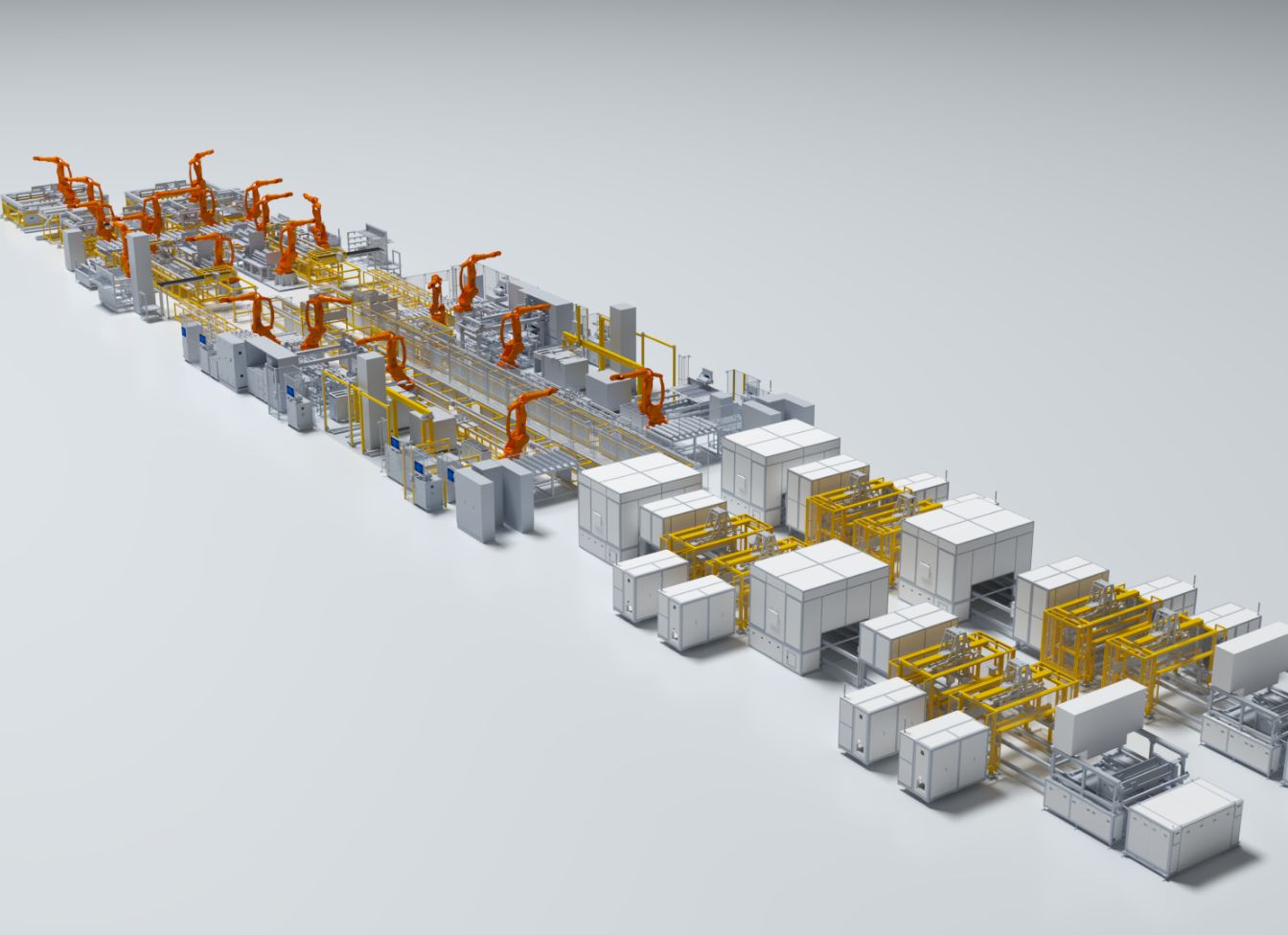
Misalignment during electrode stacking. Poor tab welding that later opens under vibration. Formation and aging queues that balloon, delaying packs. Thermal-management interfaces fitted by hand, then leaking under load. Inconsistent module potting and coolant channel runs that create hotspots. Each failure compounds the next. Small errors in cell handling become system-level safety risks.
How a blade-focused assembly line answers cell, module, and pack challenges
Cell level — precise stacking and controlled compression. Automated fixtures index long cells without manual flexing. Vision systems check electrode alignment. Controlled tab welding and inline resistance checks find weak joins fast.
Module level — repeatable clamping and coolant integration. Robots torque fasteners to spec. Inline leak and pressure tests verify coolant paths. Modular frame jigs keep cells in thermal contact where they must.
Pack level — integrated busbar welding, BMS mating, and final formation cycles staged for throughput. Automated busbar placement reduces human error. End-of-line thermal imaging and electrical soak tests confirm uniform response. This is what a true blade battery line must do: isolate the common faults early and stop them from propagating.

Practical measures that matter (do these)
– Automate handling for thin cells. Fingers and suction cups aren’t precise enough.
– Add inline electrical resistance checks after welding. Low-cost and revealing.
– Stage formation/aging as a flow, not as a queue. Parallelize with buffering modules.
– Build thermal-interface verification into module assembly. Don’t sign off blind.
– Log every torque readout and weld pattern. Traceability saves weeks when failures appear.
Common mistakes that stall scale-up
Thinking blade geometry is just another prismatic cell. It isn’t. Assuming existing fixtures will work. Relying on visual inspection alone. Letting formation bottlenecks cascade into pack assembly. Underestimating coolant path tolerance. Skipping early non-destructive tests to save time — that always costs more later.
Comparative trade-offs
Pouch or cylindrical lines can be adapted, but retrofits hide mismatches: handling geometry, welding angle, and thermal plate assembly. Building a blade-native line costs more up front. It repays by cutting rework, safety incidents, and warranty returns. The choice is direct: retrofit and fight small fires forever, or align the line to the cell from day one and stop the fires.
Implementation checklist
1) Map the flow: cell → module → pack with time and failure points.
2) Specify automation where cell fragility is highest.
3) Insert non-destructive electrical and thermal checks early.
4) Design cooling interfaces as part of the module toolset, not an afterthought.
5) Run pilot batches, log every anomaly, fix tool or process, repeat. These steps reduce surprises on scale-up.
The last word — sober and practical
I’ve watched lines in Ningde, Fujian, China, where the geometry change forced entire process rewrites. The lesson was blunt: geometry dictates flow. Done right, a blade-focused assembly line turns a fragile promise into reliable output. Done wrong, you get batches of parts that never make safe packs. The path forward isn’t flashy. It’s methodical: align tooling, automate handling, verify early. For teams steering that change, the real advantage comes from integrated solutions that think cell, module, and pack together — the kind of practical integration embodied by FHS.
