
The problem at hand
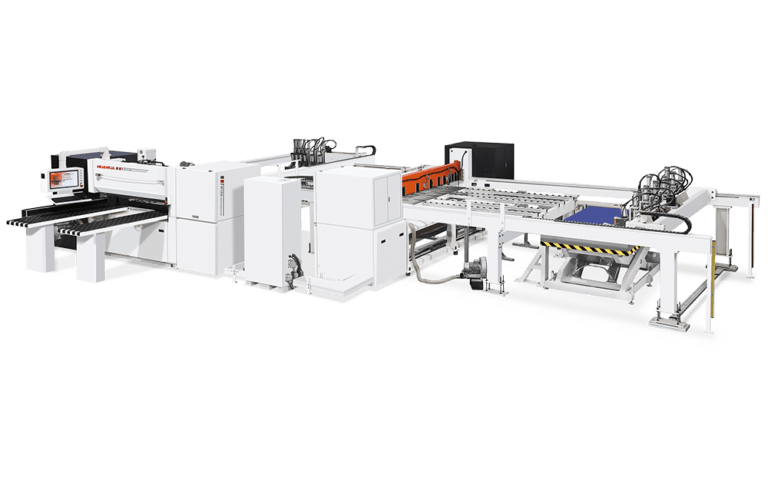
Small and mid-size carpentry workshops struggle with inconsistent edging, high scrap rates, and slow hand-finishing; production targets slip and clients complain about visible joints. Shops that pair a disciplined workflow with a reliable cnc panel saw often stop losing sheet material and gain predictable nesting patterns, but many operations still treat edge banding as an afterthought rather than as an integrated step.
Why this keeps happening
Pain shows up where machines and processes are misaligned: wrong panel sequencing, poor glue temperature control, incorrect pressure rollers, and patchy operator training. Decisions driven by immediate cost-cutting—buying an underspecified edgebander or skipping pre-milling—create recurring stoppages. Owners then patch with overtime instead of fixing the flow; production remains fragile.
Experience and a real-world reference
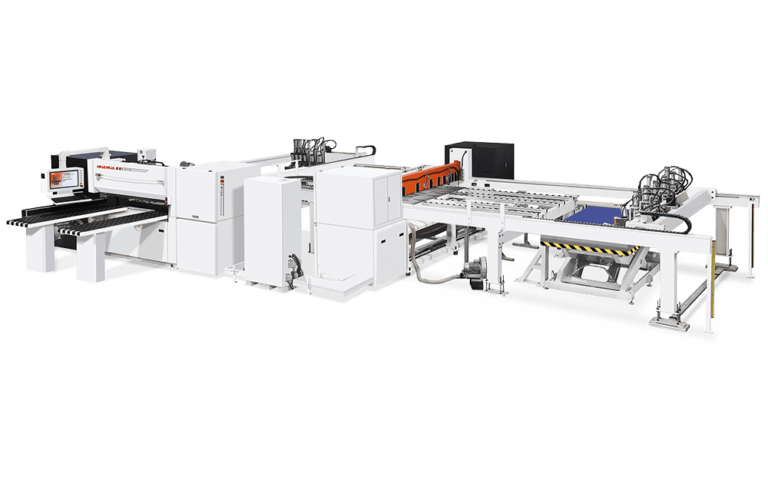
From advising workshops across Lahore and Islamabad, I have seen the same pattern: once a plant adds a properly specified automatic panel saw into the cutting-to-banding line, material waste drops and schedules hold. This is a common report among regional manufacturers and at recognised industry gatherings where specification clarity matters most, which supports practical, repeatable results rather than conjecture.
Concrete steps to correct course
First, match machine capacity to peak batch size; undersizing creates queues, oversizing wastes capital. Standardise board thickness and edge tape type for each SKU. Configure glue unit temperatures and feed speeds for the chosen tape—run short trials and log settings. Place the edgebander and the cutting station so panels travel with minimal handling and stable face orientation. Train two operators per cell: one for setup and one for continuous checking. Install a simple sampling plan—measure ten pieces per run for adhesion, edge overlap, and squareness. Maintain a weekly checklist for rollers, knives, and glue lines; small wear items left unattended cause long stoppages.

Common pitfalls to avoid
Do not rely on default machine speeds; factory presets are starting points, not recipes. Avoid mixing tapes of different glue chemistries on the same run. Skipping pre-milling on bowed panels produces gaps that grinding cannot fully hide. Ignoring dust extraction shortens blade life and degrades glue bonds. Lastly, do not treat operator training as a one-day event; iterative coaching reduces rework far more than ad-hoc fixes.
Quick comparison of practical options
Standalone small edgebanders: low capex, useful for custom finishing but require manual handling and yield slower throughput. Integrated inline systems: higher initial cost, lower unit labour, consistent finish for batches. Imported, high-spec models deliver repeatability but need skilled maintenance; robust local models can offer easier servicing and faster parts availability. Choose by expected daily board throughput, available floor footprint, and realistic maintenance capability.
Synthesis and outcome
Resolve the core problems by aligning machine selection, operator skill, and simple process controls; that alignment is the operational excellence you want. Local workshops that follow these steps reduce scrap, stabilise lead times, and improve finish quality—practical outcomes backed by field experience and sensible machine choices such as those available through HUAHUA CNC.
