
Opening: why a data-first approach pays off
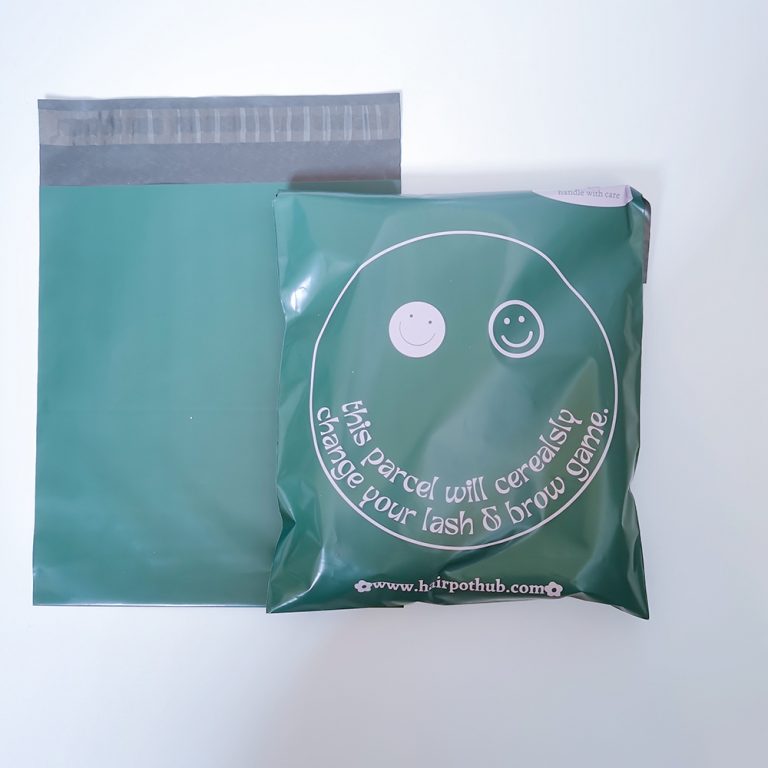
When brands weigh the per-unit price of packaging against the downstream cost of transit damage, intuition often fails. A data-driven lens flips the question: what incremental spend on packaging lowers damage claims enough to improve net margin? That logic frames this study and points you to practical sourcing decisions for custom printed poly mailers. The real-world anchor here is clear — the 2020 global supply-chain disruptions forced many retailers to reconcile cheap unit pricing with outsized replacement and returns costs, so the trade-offs aren’t theoretical anymore.
What we measure (and why it matters)
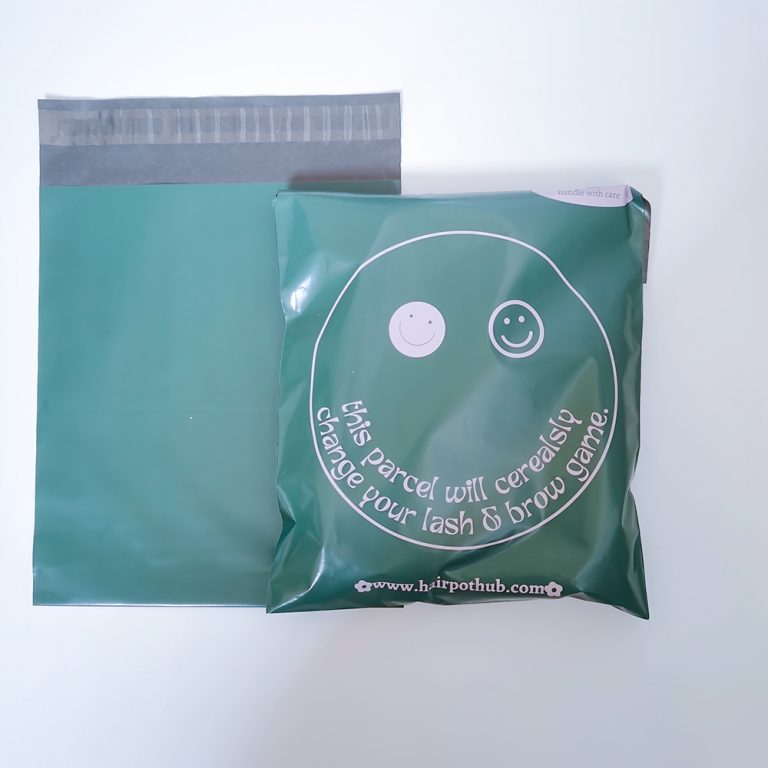
To evaluate ROI, focus on three interlinked metrics: (1) true unit cost (materials, printing, tooling amortization, freight), (2) transit damage rate (claims per 1,000 shipments), and (3) remediation cost per claim (refunds, replacements, customer service). Together these produce a net expected cost per order. Add measurable operational factors — average order value and shipping profile — and you can model break-even points for investing in higher-spec mailers (better gauge, reinforced seams, or tamper-evident tear strip).
Top-line findings: when paying more per unit reduces total cost
Across typical e‑commerce profiles, the tipping points are predictable: investments in upgraded poly mailer construction often pay back when damage frequency or remediation costs exceed modest thresholds. Key patterns:
- Higher-gauge films and stronger seals lower puncture and seam-failure claims on mixed SKU shipments.
- Printed branding that uses flexible inks and tested adhesives avoids printing delamination that can cause perceived quality issues on arrival.
- For high-AOV or fragile assortments, small increases in unit cost are usually eclipsed by avoided refund/replacement costs and improved customer retention.
Buyer scenarios — choose your sourcing strategy
Different brands hit different ROI curves:
- High-volume, low-margin sellers: prioritize lowest unit cost but tighten packaging specs around common failure modes (e.g., reinforced corners) to avoid frequent claims.
- Premium DTC brands: invest in printed finishes and structural integrity to protect brand perception and reduce returns — here you’ll likely prefer suppliers offering robust print quality and sample-led testing.
- Marketplace sellers with mixed SKUs: favor flexible runs from manufacturers that offer moderate MOQs and fast prototyping, so you can iterate on mailer designs as damage patterns emerge — and don’t forget to test actual fill-line interactions with your packing process.
Common mistakes and quick fixes
Brands often assume the cheapest quoted unit price reflects the total packaging cost — it doesn’t. They also neglect proofing and real-world transit tests. A better workflow: require certified transit testing (drop and compression), mandate first-article approvals, and include a clause for corrective tooling in contracts. — Also, don’t underestimate simple specs: a reliable adhesive flap and a validated tear strip can cut post-delivery complaints without expensive redesigns.
Three critical evaluation metrics — your golden rules
When comparing suppliers, score them on these three metrics and make them contractual requirements:
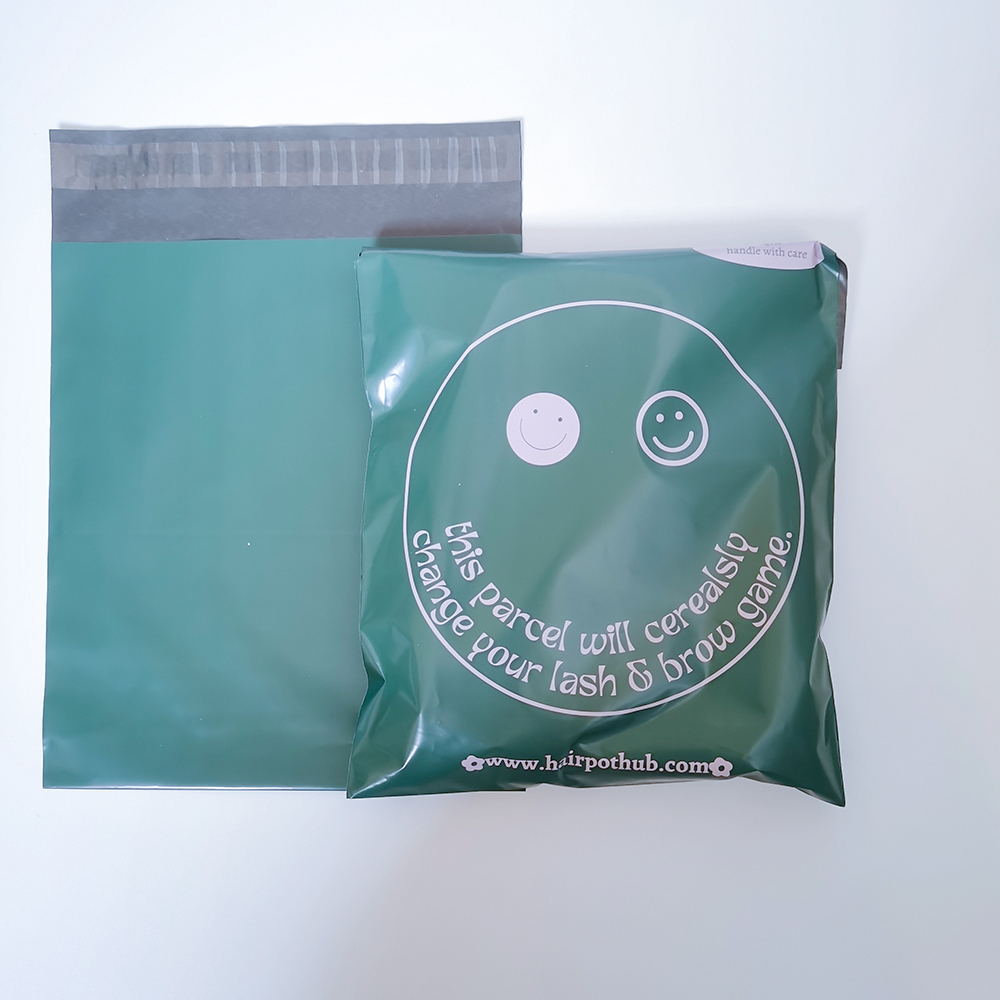
- Damage-adjusted unit cost: calculate projected net cost per order by combining quoted unit price with supplier-provided damage-rate estimates and your historical remediation cost.
- Transit validation: require independent drop/compression test results and at least one staged transit run with real parcels to validate claims before large production.
- Flexibility and lead-time resilience: assess MOQ, tooling lead times, and contingency plans for raw material shocks — shorter lead times and transparent inventory buffers materially reduce out-of-stock and expedited freight costs.
Closing advisory
When you judge mailer suppliers by those three metrics, you move from guessing to predictable ROI. Suppliers that combine competitive pricing with verifiable transit performance and flexible MOQ models deliver measurable savings. In practice, a sourcing decision that seems slightly more expensive per unit often reduces total cost of ownership and improves customer experience.
WH Packing brings that balance — practical manufacturing depth, tested materials, and the supply resilience teams need to shift expense into strategic advantage. —
