Lights Up, Crowd In: Why Beams Make the Night
We walked into the club just after doors, and already people were filming the ceiling. The DJ laser light sliced clean lines through the haze, catching every cheer like a conductor’s baton. Recent venue reports show shows with synchronized lasers get higher recall and longer dwell time—up to a third more, depending on crowd size. So, why do some nights feel cinematic while others fade by 2 a.m., sawa? I’ve seen good rigs underperform because of tiny things: alignment, control timing, power noise—funny how that works, right?
Here’s the angle: the best beam is not only bright; it’s stable, safe, and under tight control. That mix is where many setups miss the mark. If your grid is busy or the room is small, the beam divergence and scan speed must match the space, or the look turns mushy. And if your latency is off, cues don’t land with the drop. We’ll compare the common paths crews take, point out the hidden pain points, and map a simpler path. Let’s step into the deeper layer, pole pole, and see what really matters next.
Under the Hood: The Pain Points You Don’t See
Why do “pro” lasers still fail on show night?
Many crews grab what’s labeled as professional DJ laser lights and expect magic. But “pro” on the box is not the same as pro in the booth. The first trap is control. Basic DMX512 channels give you coarse steps for speed and color. Fine-ish, but not surgical. For crisp text or tight abstracts, you want ILDA or a modern network DAC with better resolution. Otherwise, your galvos draw corners like elbows, and beam divergence turns lines into fuzz at 20 meters. Look, it’s simpler than you think: precision in equals precision out.
The second trap is power and heat. Noisy power converters can ripple current to the diodes, and that makes colors wobble under load. Fans clog, thermal protection kicks in, and output dips mid-set. Add missing safety interlocks and you’ve got compliance risks as well as a jittery image. Then there’s timing. If your controller and lights do not share clean timecode, cues drift; the drop lands, but the frame lands late. In small rooms, that delay feels bigger. Overbuild? No. Right-build. Pick slower but accurate 30K+ galvos for graphics, tighter divergence for long throws, and a control path you can test end-to-end—before the doors open.
From Now to Next: Principles That Keep Beams Sharp
What’s Next
Comparing yesterday’s rigs to today’s, the big shift is in synchronization and feedback. Instead of only serial control, newer systems use networked controllers that push frames to local DACs placed near fixtures—think edge computing nodes for light. This reduces latency and keeps cues aligned with the audio clock. Add analog modulation for smoother fades, and you get cleaner gradients on aerials. Even in a mixed rig with strobes and party lights and lasers, you can lock movement and color changes to the same timeline. The result feels intentional, not accidental—small price, big gain.
Thermal management is also smarter. Closed-loop sensors watch diode temps, adjust current, and hold output steady. Good drivers filter noise, so color doesn’t flicker when the bass hits. Weather-hardened housings and proper IP ratings cut downtime if you take the show outside. Safety got an upgrade too: remote e-stop chains, scan-fail detection, and shutters that drop in milliseconds if a path gets blocked. All these pieces work like a calm spine under the show. You may not see them, lakini you feel the difference when every beat lands and every line holds steady in the fog.
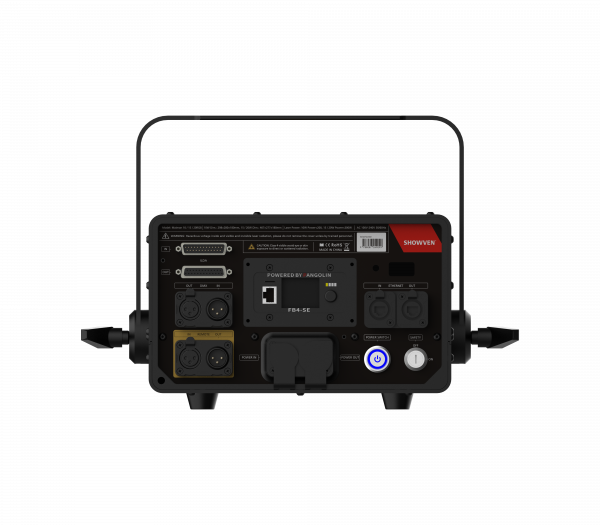
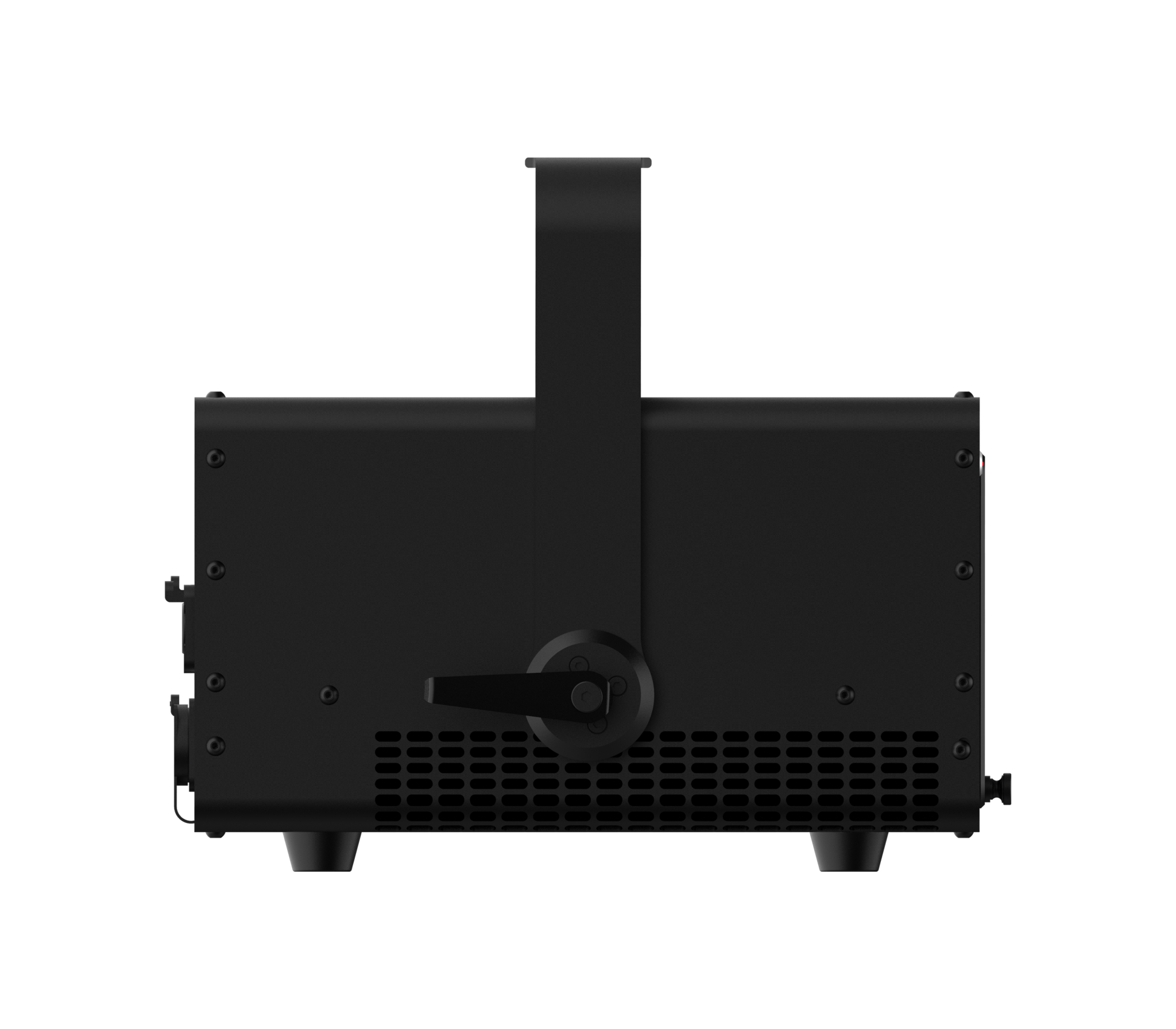
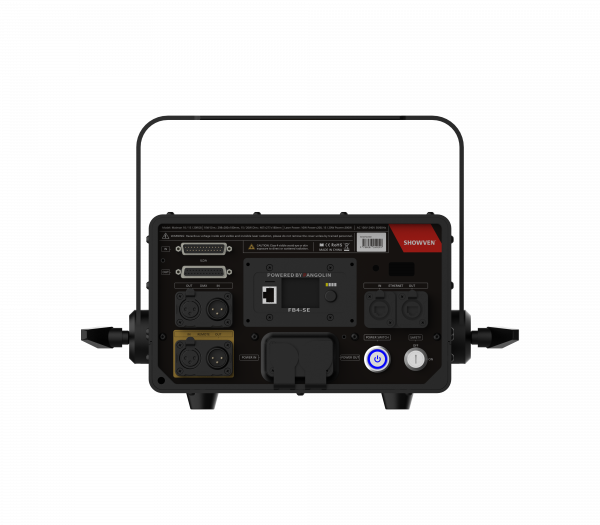
To wrap, here are three metrics to compare before you buy or spec: 1) Beam integrity: look for low beam divergence (around 1 mrad or better) and galvo speed suited to your content. 2) Control fidelity: verify ILDA or high-resolution network control, plus timecode sync to avoid cue drift. 3) Safety and stability: check for safety interlocks, scan-fail detection, and clean power design that keeps output steady under heat. Nail these, and your rigs will deliver the look you imagined, night after night. If you want a place to start your research, explore brands like Showven Laser.
