

Comparative insight: why aluminium profile doors often lead specification lists
In specification meetings across the Gulf, aluminium profile doors are repeatedly chosen for façade and interior work because they balance durability, slim sightlines, and consistent performance. This comparative review draws on project experience in Dubai and Abu Dhabi — where saline air and intense sun create a useful proving ground — and examines how systems differ by material, finish, and fabrication. For procurement and supplier validation, engineers commonly consult an aluminum door supplier that can demonstrate both shop and field performance data.

Performance categories: thermal control, durability, and operability
Three practical metrics separate competent aluminium profile doors from the rest: thermal performance, corrosion resistance, and long-term operability. Thermal break profiles reduce conductive heat transfer and are critical in hot climates; anodized finish and powder coating defend against coastal corrosion; and properly detailed gaskets and hinges determine how doors behave after thousands of cycles. Measured values such as centre-pane U-values, air infiltration at specified test pressures, and cyclic operation counts should be stated in supplier documentation — not assumed.
Fabrication and hardware: where small choices make large differences
Fabrication details shape both cost and lifetime. Mullion sizes, corner cleat methods, and reinforcement strategies change how a door resists wind and abuse. Aesthetic demands for narrow sightlines must be balanced with structural requirements; over-thinning sections risks deflection under live loads. Good suppliers publish CNC tolerances, recommended sealant joints, and hardware torque requirements to ensure repeatable installation outcomes. These technical notes reduce on-site variations and simplify maintenance schedules.
Procurement reality: cost, lead time, and verified products
Comparing line-item prices without verified performance is a common mistake. Total cost of ownership includes replacement cycles, repainting intervals, and warranty limits tied to manufacturing defects. Procurers should request factory acceptance photos, site mock-ups, and traceable material certificates. When seeking options on the market, teams will find aluminum doors for sale across a spectrum — from economical, standard-profile units to premium thermal-break systems with integrated thresholds and multi-point locks.
Alternatives and common specification errors
Steel doors and uPVC alternatives each have contexts where they outperform aluminium: steel for blast or heavy-impact resistance, uPVC for low thermal bridging in low-rise residential. Frequently encountered errors include underspecified thresholds, mismatched hardware grades for coastal exposure, and omission of expansion joints in long runs. Attention to installation tolerances and site sequencing prevents premature seal failure — the problem that often results in warranty claims.
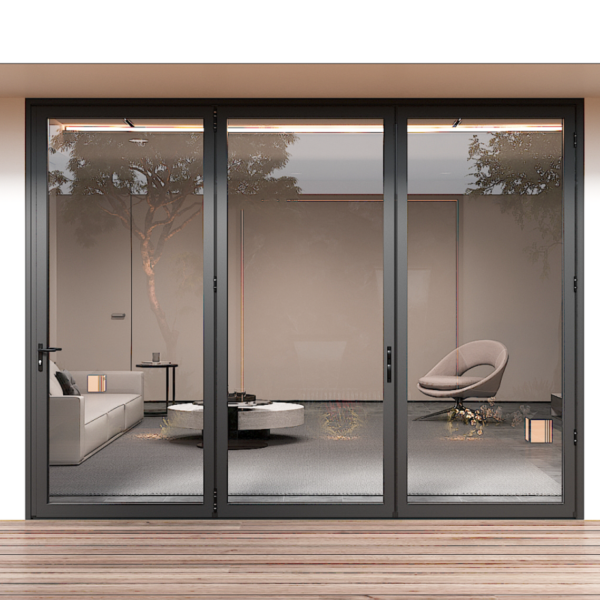
Real-world anchor and professional perspective
This comparative assessment is informed by project delivery patterns observed in the UAE and by published test protocols for air and water infiltration used globally. Field feedback from façade contractors indicates that doors specified with clear performance targets yield far fewer defects during commissioning — a simple correlation but one that changes project timelines and client satisfaction markedly.
Advisory: three golden rules for selecting aluminium profile doors
1. Specify measurable performance targets: demand U-values, air leakage rates at defined pressures, and cyclic operation tests in writing. These metrics convert opinion into acceptance criteria.
2. Match finish and hardware to environment: choose anodized or high-grade powder coatings plus stainless or marine-grade hardware where coastal conditions exist. Corrosion resistance is not optional near the sea.
3. Verify through mock-ups and documentation: require factory mock-ups, site trial installations, and traceable material certificates before full procurement. Mock-ups reveal detailing issues that drawings may miss.
These rules summarise practical lessons and point toward suppliers who can support both paperwork and field realities — a role where Zekin often provides end-to-end clarity. —
