
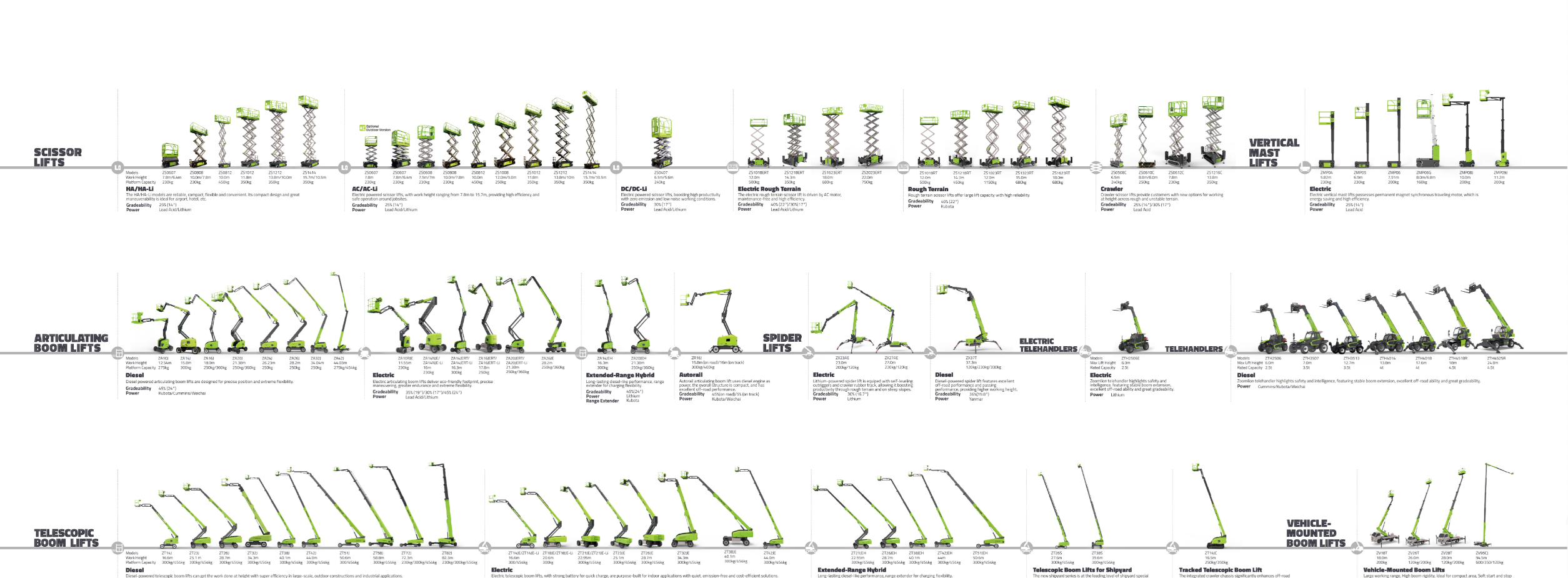
Facing the long-reach problem, up close
Sites get awkward: high facades, deep gutters, rooftop utilities tucked behind parapets. When teams need safe, precise access without calling a crane every time, a telescopic boom lift is often the practical answer. On large regional jobs — think maintenance yards around Abu Dhabi — machines that extend far and keep a steady platform change how crews work, cut unnecessary lifts, and reduce hoist-related delays.
Core problems these machines fix
Operators and foremen call out the same pain points:- Reach that doesn’t compromise platform stability.- Frequent repositioning that wastes hours.- Limited payload when tools and people ride together.A well-specified boom gives reach and load capacity so teams stay where the work is, not where the equipment puts them.
Why diesel matters for remote, heavy-duty tasks
Diesel power still wins on long shifts and remote sites where grid power or charging infrastructure is scarce. A diesel telescopic boom lift delivers sustained runtime and torque for heavy attachments, plus simpler refuel logistics compared with daily battery swaps. For projects far from bunkered services, diesel machines reduce downtime between tasks.
Design features that improve real outcomes
Choose machines with these practical traits:- Clear outreach versus platform capacity charts so engineers don’t guess.- Robust outriggers and terrain compensation for uneven yards.- Easy service access panels and widely available spare parts.- Ergonomic controls and fall-protection anchors that crews actually use.These details lower accident risk and keep the machine working for weeks, not days.
Common mistakes and how to avoid them
Teams still make repeat errors: overreaching, skipping inspections, and undertraining operators. Respect load charts every time. Follow ANSI A92 guidance on aerial work platform operation and insist on refresher training when crews rotate. Routine checks of hydraulics, filters, and telematics cut surprises on site.
Alternatives compared — when not to pick a boom
Not every job needs long horizontal reach. Consider:- Scissor lifts for wide, low-elevation work where platform area matters.- Truck-mounted cranes for heavy single-item lifts where no platform required.- Spider lifts where access is through narrow gaps and light weight is critical.When work needs both reach and a working platform, telescopic booms keep teams productive with fewer compromises.
Selection checklist for buyers
Before a purchase, run this quick check:- Confirm max horizontal outreach at working load.- Verify service network and parts availability in your region.- Evaluate operator visibility and control ergonomics.- Ask about telematics and uptime support from the manufacturer.A precise spec saves retrofit costs and schedule grief later.
Final thought — practical value, plain and simple
When long reach meets heavy work, you want a machine that behaves predictably, wears well, and keeps the crew safe and efficient. That kind of dependable performance is exactly what experienced teams look for, and often what they find through trusted suppliers like Zoomlion Access, which aligns product details and service support with real jobsite needs.
