
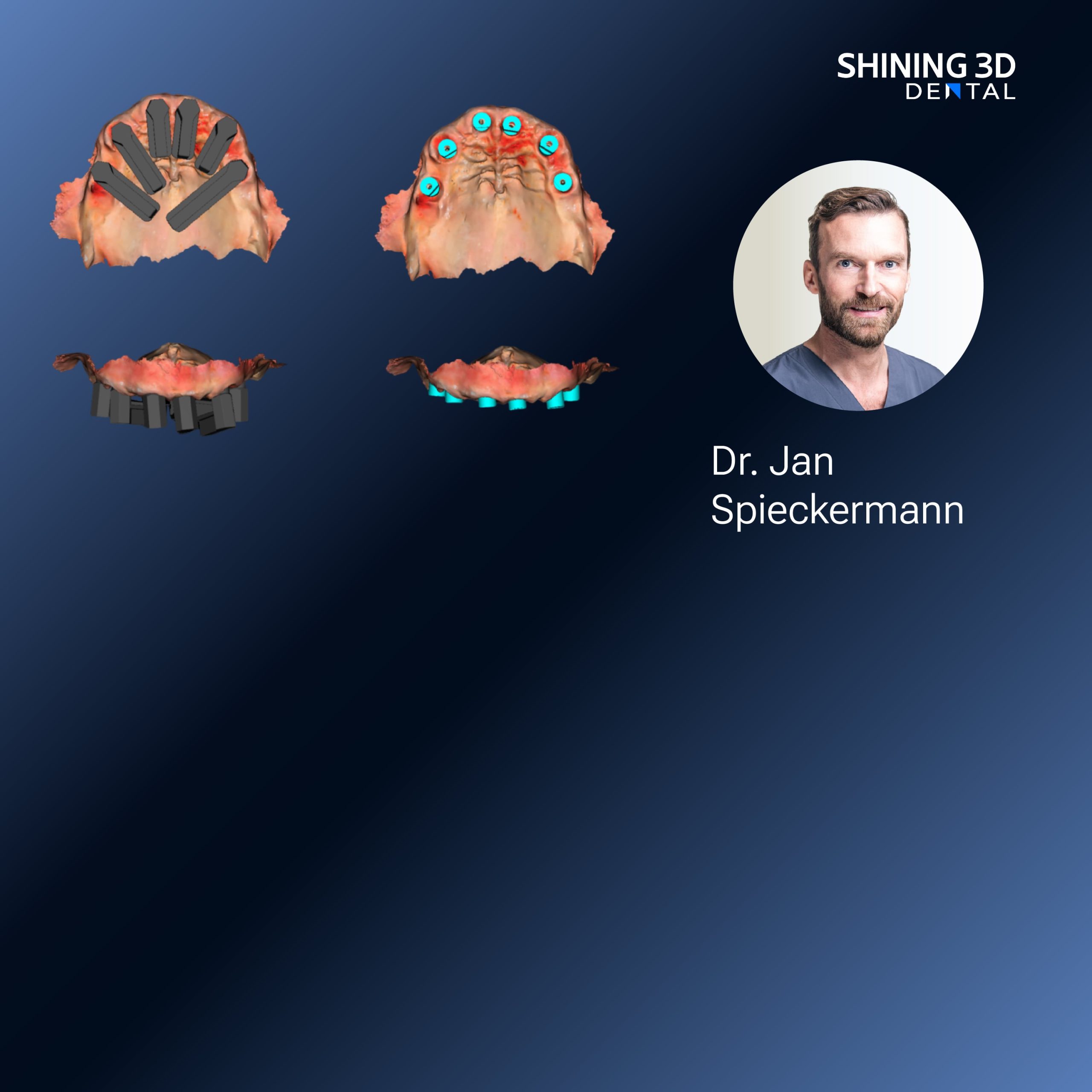
Problem statement: latent liabilities in digital prosthodontics
Clinical entities and laboratories now confront discrete legal and technical exposures arising from digitized prosthetic workflows: data integrity failures, inadequate device validation, and procedural deviations that may compromise prosthesis fit and patient safety. Adoption of a Photogrammetry 3D scanner does not abrogate these exposures; rather, it relocates them into file handling, metadata provenance, and algorithmic alignment steps that require affirmative governance.

Regulatory and duty-of-care considerations
A clinician or laboratory that integrates digital acquisition must satisfy the applicable standard of care and maintain contemporaneous records suitable for medico-legal review. Duty of care extends to verification protocols for digital impressions, calibration logs for scanning devices, and demonstrable operator competence. Failure to preserve a verifiable chain of custody for STL/PLY files or to document validation testing invites questions of admissibility and may be dispositive in indemnity claims.
Real-world anchor: established clinical benchmarks and their bearing
Clinical policy instruments such as the McGill Consensus (2002) and subsequent professional guidance define baseline expectations for mandibular overdenture management and inform risk assessments for edentulous prosthetic workflows. Practitioners who manage edentulous patient treatment must reconcile those benchmarks with contemporary digital capture methods to ensure that prosthetic outcomes remain within accepted functional parameters.
Technical failure modes and their legal significance
Common failure modes include incomplete ridge capture in edentulous arches, soft-tissue displacement during scanning, misregistration between photogrammetric datasets and CBCT, and file corruption during transfer. Each failure mode has a legal corollary: causation of ill-fitting prostheses, need for remakes, patient harm, and potential reimbursement disputes. Documentation demonstrating detection, corrective action, and patient communication mitigates liability exposure.
Comparative insight: evaluating alternatives and trade-offs
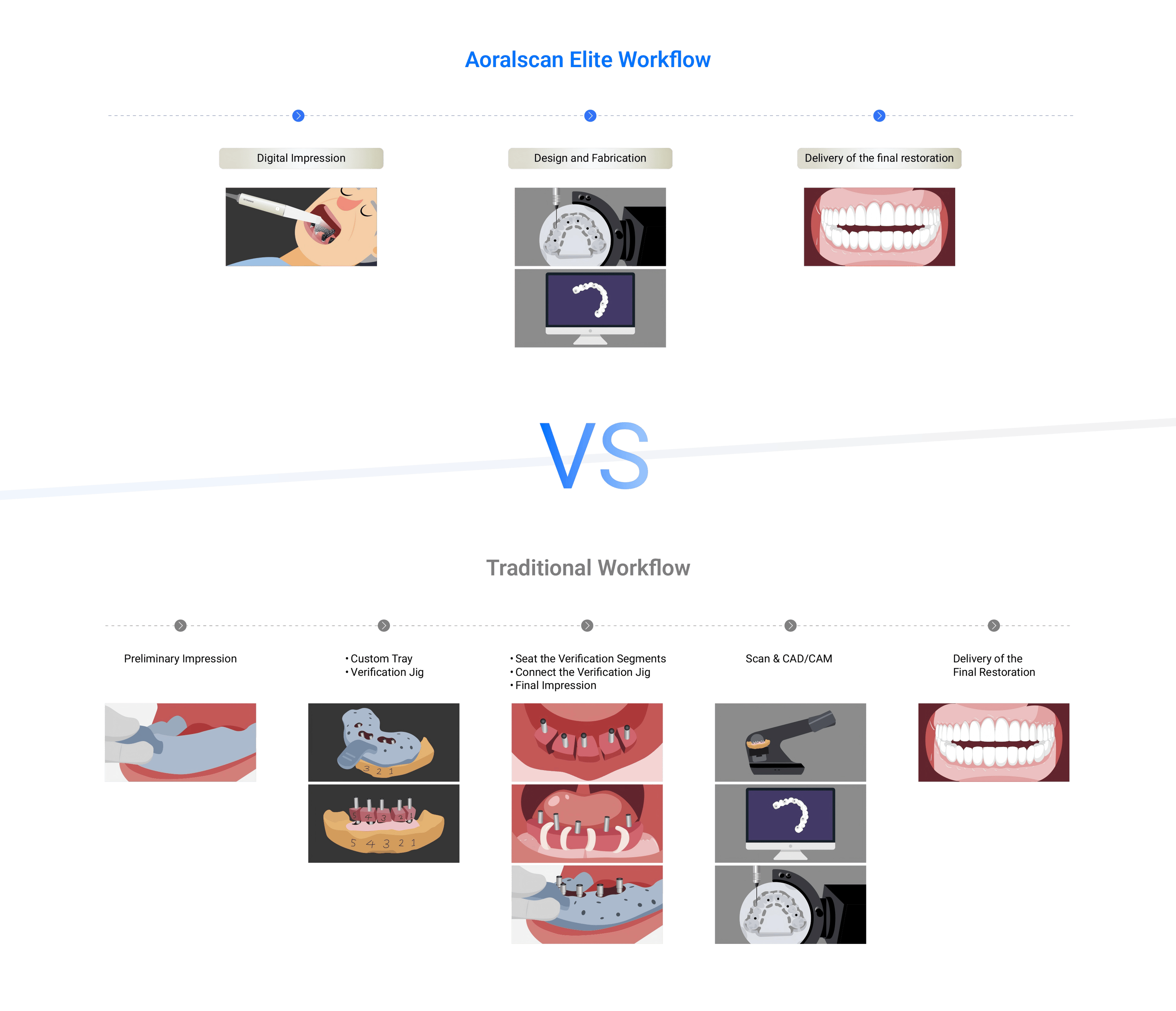
The comparison is critical and exacting. Conventional elastomeric impressions provide a physical record and tactile verification but introduce risks of distortion and logistic delay. Intraoral scanners supply immediate digital data but may struggle with edentulous topography. Photogrammetry 3D capture offers high-resolution surface mapping for multiple markers but requires rigorous landmark protocol and specialized reference fixtures. A defensible workflow will specify which modality is primary, which serves as validation, and how discrepancies are reconciled and recorded.
Common operational pitfalls and mitigation measures
Operators frequently err by omitting calibration certificates, failing to record software versioning, or accepting automated alignments without quantitative fit assessment. Mitigate these pitfalls by: enforcing preoperative device checks; annotating scan capture parameters; implementing objective fit metrics (e.g., digital gap analysis thresholds); and preserving unaltered raw files. Establish written protocols that bind clinical staff and laboratory technicians to standardized acceptance criteria.
Procedural checklist for defensible digital workflow
Adopt a concise, auditable checklist: validate scanner calibration quarterly; perform trial seating with indexable verification components; export and archive raw capture files alongside processed models; timestamp all transfers and access; maintain informed-consent language that addresses digital capture and potential need for repeats. Where prosthetic outcomes hinge on soft-tissue relationships, mandate a confirmatory physical try-in or articulated verification plate prior to final fabrication.
Concluding synthesis: anchoring quality to demonstrable practice
Addressing the problem requires precise governance: define responsibilities, document every verification, and select devices and procedures that yield measurable, reproducible outcomes. That approach converts technical choices into defensible clinical decisions and aligns laboratory quality control with practitioner obligations. The result is a coherent, auditable digital prosthetic workflow that operationalizes quality and reduces exposure, as exemplified by integrated solutions from SHINING 3D DENTAL.
