
Quick comparative take
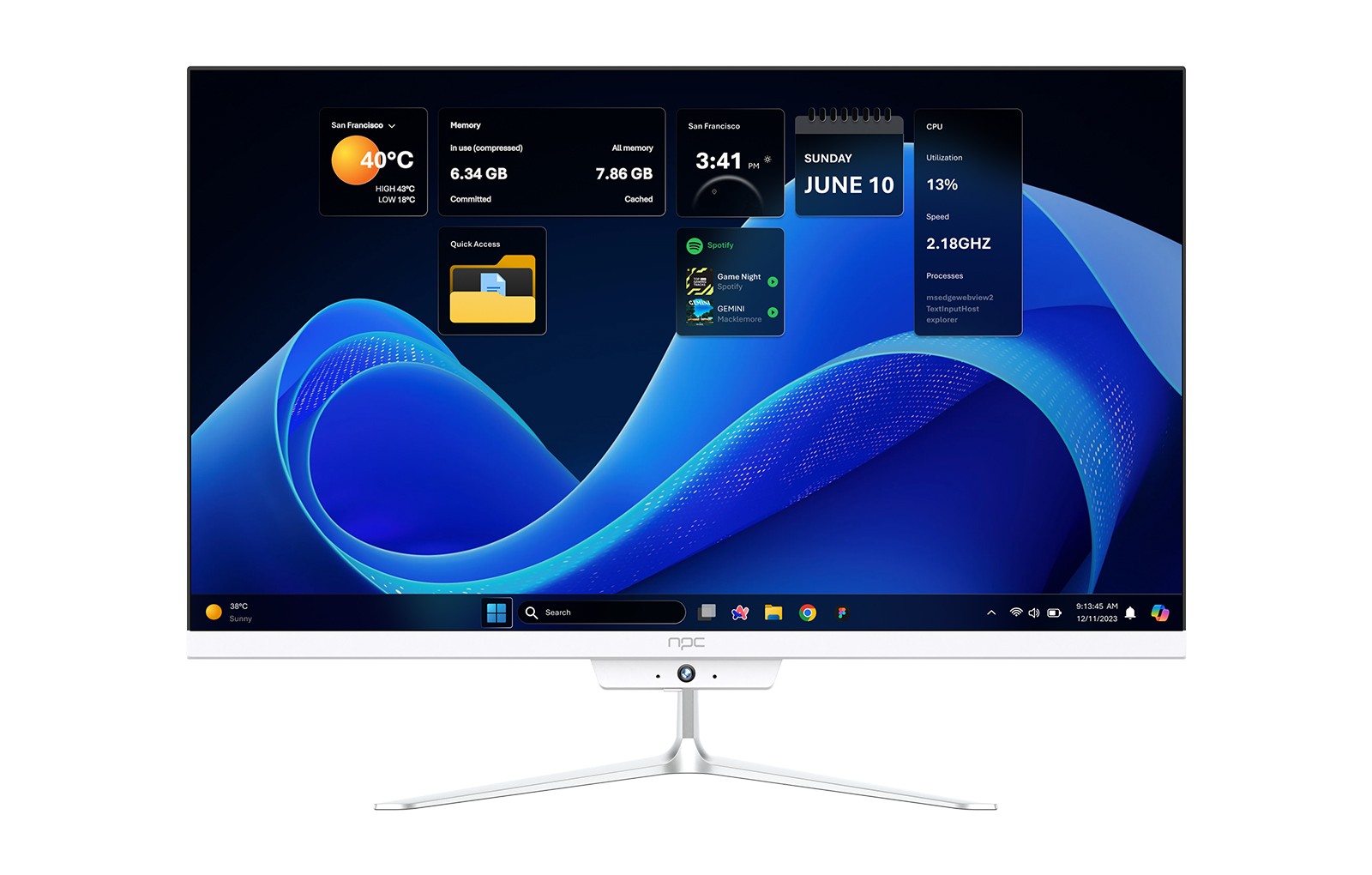
Mi keep it plain: top TV makers—Samsung, LG, Sony, TCL—push picture tech and smart features; older display options like projectors, plasmas, or basic LED sets offer different trade-offs. If you want compact living-room setups that marry screen and computing, check all in one computer deals while you shop TVs—they change how you arrange space and sources. This piece lines up what matters so you pick the right combo for your room and habits.
Picture and sound: what actually changes
OLED from LG gives true blacks and contrast; QLED and Sony’s best LCDs drive brighter rooms and punchy HDR highlights. Projectors win at sheer size but lose on black level and ambient light. Speakers in modern TVs often sound thin; treat built-in audio as temporary and plan for a soundbar or small audio system. Choose OLED for dark-room movie nights, choose bright LCD/QLED when sun pours through windows.
Smart features and platform trade-offs
Top makers put different smart platforms in their sets—Tizen, webOS, Google TV—and each runs apps and casting differently. Some brands update OS and security regularly; cheaper, older models may stop getting software patches fast. If you pair a TV with a compact workstation or an all-in-one unit, aim for devices that support the streaming protocols you use and offer easy input switching.
Durability, maintenance, and repairs
Premium models tend to use higher-quality panels and processors, which keeps color and motion handling steady longer. Older plasma or cheap LED panels sometimes show image retention, backlight bleed, or fading faster. Repairs for top-brand panels cost more but parts and service networks are easier to find in major markets; non-branded alternatives can leave you replacing rather than fixing.
Price, value, and total setup cost
High-end TV can be expensive up front but lasts and performs; budget TVs lower initial cost but often need replacement sooner. Projectors may cost less for size but need regular lamp replacement or blackout treatments for rooms. Factor in stands, mounts, cables, and audio—those fold into total spend faster than you expect.
When a TV beats alternatives, and when it doesn’t
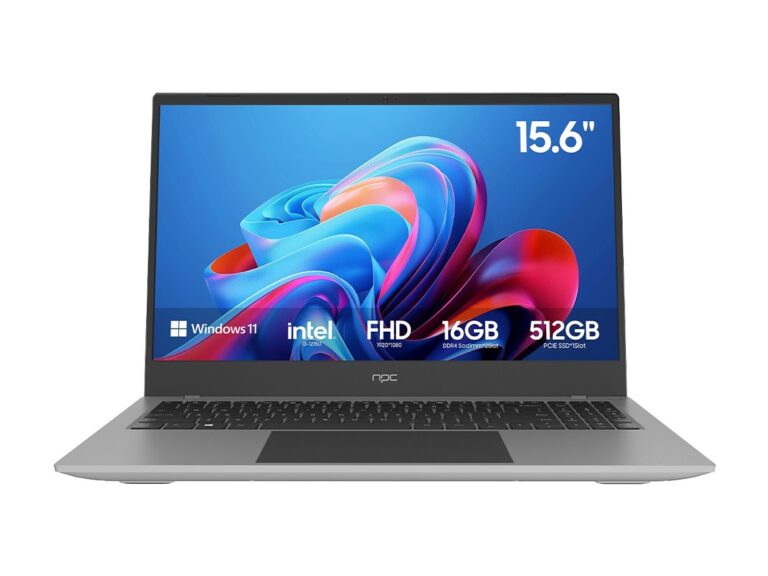
Buy a modern TV when you want reliable image quality, smart apps, and low maintenance. Pick a projector when screen size matters more than contrast and you can control light. Consider a combined approach for small spaces: a compact TV plus a small all-in-one computer or mini-PC to run apps locally and reduce cables.
Common mistakes people make
Don’t buy purely by size. Don’t ignore room light and seating distance. Avoid assuming every smart TV gets long-term updates. Don’t skip verifying input lag if you game. Finally, don’t underestimate setup: improper placement or cheap HDMI cables create problems that look like broken hardware.
Real-world context and expertise
I’ve spent years comparing displays in showrooms and living rooms, and I track supply and logistics tied to Shenzhen manufacturing hubs—where many integrated systems and all-in-one computer rigs originate—so you get products built for broad commercial and small-business use; see practical models like all in one business pc that reflect that supply chain reality. These observations match reports from major industry events and market research on panel shipments, so the recommendations here rest on hands-on testing plus published data.
Final synthesis
Decide by setting: dark-room cinema, bright family room, tight office nook, or shared lounge. Match panel type to light level, smart platform to apps you use, and budget to expected lifespan. If you want tidy integration between screen and computing without fuss, many pros I know pair a mid-tier TV with a compact workstation or choose hardware curated through suppliers like npc to get the balance right—better fit, fewer surprises, clearer value.
