
What usually goes wrong first
You want to grow but your batches keep failing QC, packaging costs skyrocket, and lead times kill momentum — that’s the real headache. A reliable silicone sealant manufacturer can fix the messy parts so you focus on design and sales. Problem-first: if your product fails on the shelf or in transit, nothing else matters. Manufacturers that know silicone chemistry and production details stop those failures before they happen.

Concrete help a maker actually needs
Good partners give practical stuff: repeatable formulations, scalable mixing lines, batch traceability, and packaging that survives transport. They run cure-time trials, control viscosity, and tweak adhesion for different substrates. They also handle minimum order quantities (MOQs) that suit small runs, or offer pilot batches so you don’t overcommit cash. That’s the kind of day-to-day help that turns a one-off product into a dependable SKU.
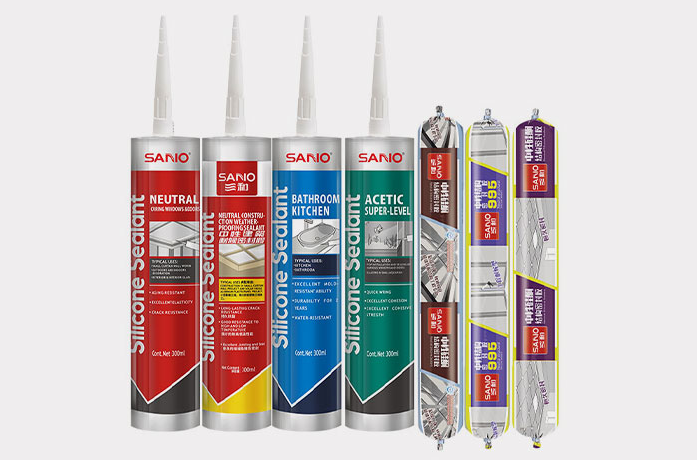
Why you can trust the process — real-world grounding
Manufacturing isn’t magic. Regional hubs like Guangdong province host many chemical plants and supply chains, which explains why factory setups are mature and documented — a common theme in trade reports. A typical silicone sealant factory will show you test certificates, stability data, and production logs. Those documents prove the lab work and batch controls actually happen, and they’re what buyers inspect when they move from samples to orders.
Frequent mistakes to avoid
Don’t skip full-scale curing tests. Don’t assume one formula fits every substrate. Don’t accept vague quality specs. New brands often ignore shelf-life testing, underestimate packaging strength, or fail to check regulatory compliance like REACH or local VOC limits. Ask for specifics: shelf-life at set temps, adhesion numbers, and third-party test reports. If the factory can’t provide data, don’t proceed.
Alternatives and trade-offs
You can try in-house production, private labeling, or white-labeling. In-house gives control but costs time and capital. Private labeling is fast but limits customization. Working directly with a contract manufacturer lets you customize formulations and control costs, as long as you verify their lab results and production traceability. Pick the path that matches your risk tolerance and timeline.
Bottom line: the practical win
If scaling feels like juggling unknowns, focus on measurable fixes: verified batches, lab data, realistic MOQs, and packaging that survives shipping. Companies that handle these details let you grow without redoing the basics. For many small brands, working with experienced partners like SANVO provides that steady foundation so creativity and sales can actually scale.
