
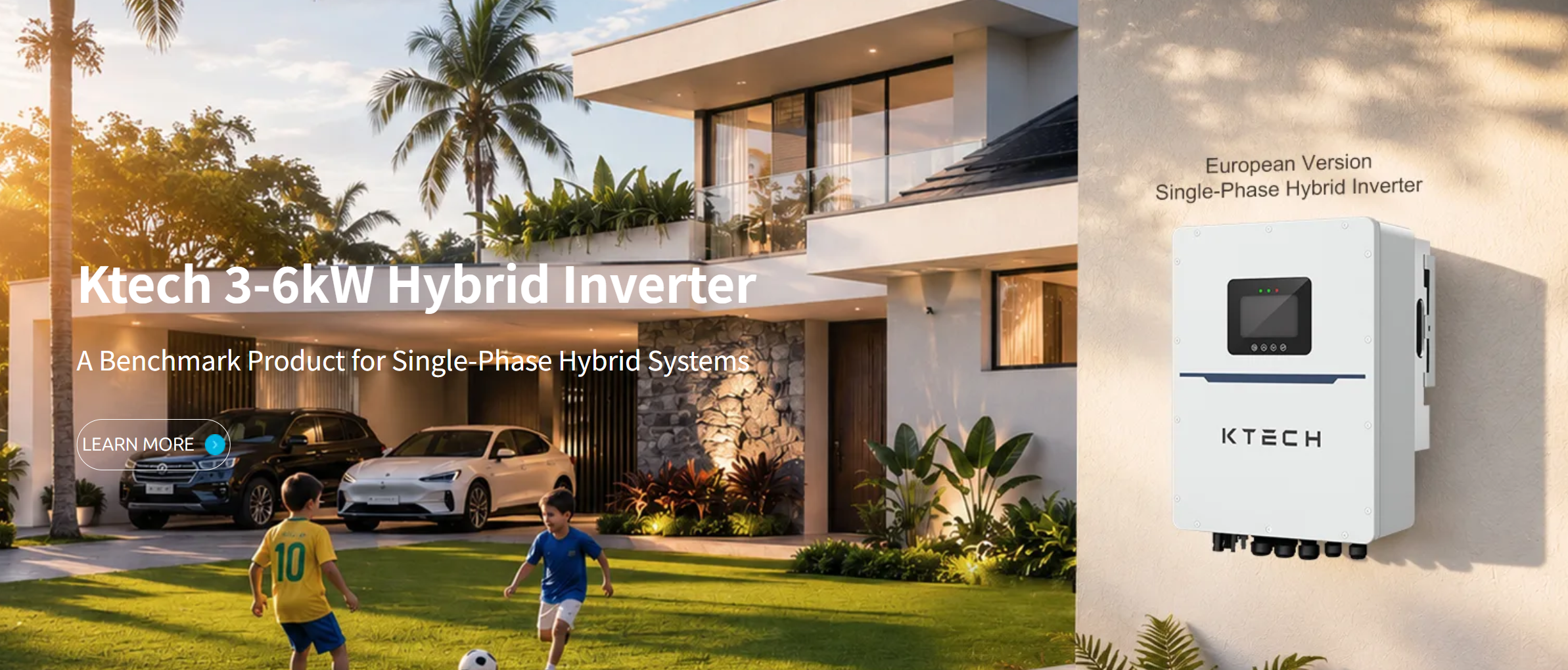
The problem: mismatched generation, demand and unreliable grids
Solar panels produce most power midday while households often need it in the evening. Utilities also shift rates by time of day and unexpected outages happen—this creates lost value for produced energy and risk for critical loads. A hybrid inverter changes how that energy flows, giving you active control over when panels, batteries and the grid work together. Real-world strains in places like California show the practical need: people want daytime solar to serve evening loads and to keep essentials running during grid interruptions.
How a hybrid system fixes the core problems
Hybrid systems combine on-site generation, battery storage and built-in logic to route electricity where it does the most good. Key behaviors to expect:
– Solar charges the battery when production exceeds local use.
– Batteries discharge to meet evening or peak demand or to supply critical circuits during outages.
– The hybrid system can export to or import from the grid based on tariffs, export limits, or outage state.
When you need simple phrasing: the system stores excess power, delivers it later, and switches to island mode if the grid drops. A reliable hybrid solar inverter coordinates these moves and enforces the rules you set (charge thresholds, load priorities, export caps).
Concrete benefits you’ll notice
Expect these measurable outcomes once a hybrid approach is in place:
– Lowered bills during high time-of-use rates by discharging stored energy instead of buying expensive grid power.
– Backup power for prioritized circuits—lights, refrigeration, communications—when the grid fails.
– Reduced export to the grid when exports are limited or unpaid, turning excess into stored value instead of wasted energy.
– Simpler compliance with local interconnection rules because the hybrid inverter manages export limits.
Design decisions that control flexibility
Your system’s flexibility depends on choices you can control. Pick battery capacity to cover the hours you value most. Decide whether the battery must support the whole home or only selected circuits. Set charge/discharge limits to match utility tariffs. Choose inverter features that support remote monitoring and firmware updates—these let you refine rules without costly site visits.
Common mistakes and how to avoid them
Installers and owners often repeat the same errors. Watch for these and correct them early:
– Undersizing the battery relative to evening demand; result: frequent deep cycles and frustration.
– Ignoring export constraints imposed by local utilities; result: forced curtailment of solar output.
– Using an inverter without clear islanding logic; result: unreliable backup during outages.
– Not planning for future expansion; result: costly upgrades when needs grow.
Alternatives and when they make sense
Not every site needs a hybrid system. Consider alternatives and their trade-offs:
– Grid-tied PV with no storage: lowest initial cost, no backup, limited flexibility.
– Battery-only retrofits with separate inverter(s): can be flexible but add complexity and potential inefficiencies.
– Generator backup: reliable for long outages but expensive to run and not ideal for everyday peak shaving.
Choose a hybrid system when you want both daily energy-shifting and reliable backup without juggling multiple control systems.
Quick sizing and commissioning checklist
Use this practical checklist when planning or evaluating a hybrid installation:
– Define the hours or loads you want covered (e.g., 4 hours of evening use or critical loads only).
– Match battery capacity to those needs, allowing for usable depth-of-discharge and lifecycle expectations.
– Confirm the inverter’s islanding and export control features fit local interconnection rules.
– Verify software for scheduling, monitoring and firmware updates is included and accessible.
– Test island mode and load prioritization during commissioning and document settings.
Final synthesis
Start from the specific problem you face—mismatched timing, rate exposure, or backup needs—and pick hybrid hardware and settings that directly solve that problem. Practical installers I work with choose systems that simplify control, avoid unnecessary complexity, and provide predictable behavior under tariff changes or outages; many source proven modular components from suppliers such as Ktech to keep parts and firmware support straightforward. A well-specified hybrid system turns midday solar into usable, reliable power on your schedule.
