
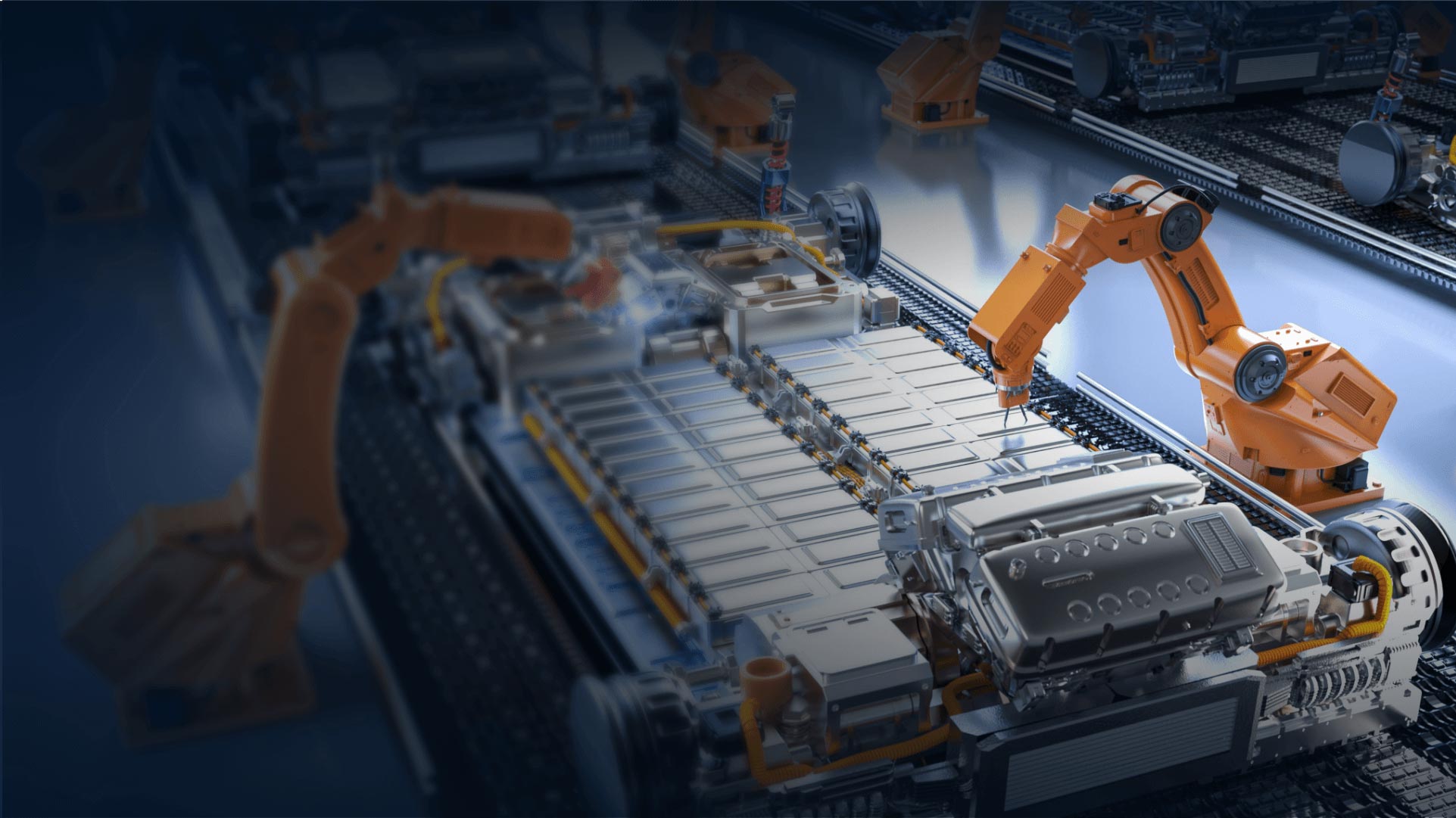
What breaks first — and why you should care
Most projects stall not because the chemistry fails but because the line layout, control logic, or inspection regime trips over one another during ramp-up. If you’re sizing machines, training operators, or writing investor briefs, start by reading the physical realities: spacing for thermal equipment, repeatable welding joints, and test stations that don’t slow throughput. A clear plan for a blade battery assembly line that accounts for real operator flow cuts surprises before they happen.

Top-level checklist — the order matters
– Define product spec and failure tolerance: cell dimensions, stack pressure, weld resistance, leakage threshold, and target yield. – Map process stages to metrics: cell prep → stacking → welding → formation → aging → module assembly → EOL testing. Assign cycle time and defect budget for each stage. – Layout for maintenance access and safe thermal clearance: avoid jamming high-voltage cabinets into narrow aisles. – Select automation scope by risk: keep manual where judgment beats sensors (final visual checks), automate high-repeat tasks (pick-and-place, weld, dispenser). – Specify inspection types per station: machine vision for alignment, inline electrical tests for shorts, pressure leak tests for sealing. – Design a fallback line flow for failed units so defects don’t block throughput. – Validate utilities: compressed air, inert gas supply, cooling loops, and consistent power quality with redundancy. – Commission a staged debug plan: dry run → pilot run → full-rate production, with acceptance gates at each stage. Each item here is a crisp decision, not a checkbox you scribble through later.
Automation integration — what to automate, how to prove it
Automate the repeatable, instrument the ambiguous. Automate pick-and-place, welding, and dispensing. Instrument formation and aging with time-stamped data and attach those records to serial numbers so one faulty module is traceable by batch. When you tie robotics, conveyors, and test stands together, standardize interfaces and error modes: deterministic handshakes beat custom hacks every time. If you need a concrete reference for line-level automation success, study how early adopters built modular, reconfigurable cells on a blade battery automation line—that modularity keeps upgrades cheap.
Key metrics to monitor from day one
– Throughput (units/hour) and per-station cycle times. – First-pass yield and rework rate, tracked by defect type. – Mean time between failures (MTBF) for critical automation elements (vision units, welders, feeders). – Energy and inert gas consumption per kWh of battery produced. – Traceability coverage: percent of produced units with full serial-linked data. Collect these in simple dashboards that answer one question: are we making more good units than we expected?
Common pitfalls — avoid these specific traps
– Over-automation early: automating a shaky manual process just cements a bad method. Automate after process stability. – Ignoring ergonomics: a cramped operator station creates microscopic delays that become real losses. – Poor spare-part strategy: you’ll regret not stocking critical vision sensors or welding tips. – Unlinked data silos: separate logs for controllers and test stands kill traceability and slow root-cause analysis. – Skipping formation testing standards: formation is where cells prove themselves; cheap shortcuts here mean warranties you can’t afford. Each mistake costs weeks or funds—plan around them.

Commissioning protocol — a short, staged roadmap
– Dry-run with inert placeholders: no cells, run mechanical flow for 24–72 hours. – Single-station validation: prove each machine hits tolerance and repeatability targets. – Pilot batch with traceable serials: produce a small run, test to EOL, analyze failures. – Stress test at full rate for a defined window before commercial release. – Lock documentation and start regular preventive maintenance schedules aligned to MTBF. A disciplined commission catches logic errors before they become expensive habits.
Why the business side should pay attention
Investors and ops managers should demand concrete KPIs, not promises about future scale. A clean line delivers predictable cashflow: less scrap, fewer recalls, and clearer warranty exposure. Real manufacturers have seen this play out where early blade formats were scaled; the hard lessons from those rollouts are baked into this checklist.
Wrap-up and the practical choice ahead
If you want a blade battery line that behaves, start with clear process gates, automate only stable steps, instrument everything that can fail, and keep spares for the two or three parts that will fail first. There’s a pattern here: disciplined sequencing beats grand redesigns. For teams building and scaling lines, a partner who understands the sequence and records every test is the most useful thing you’ll add—so choose providers that map their diagnostics and maintenance to your rollout plan, like the models used by early industry adopters and shared by FHS.
