
Defining the immediate problem
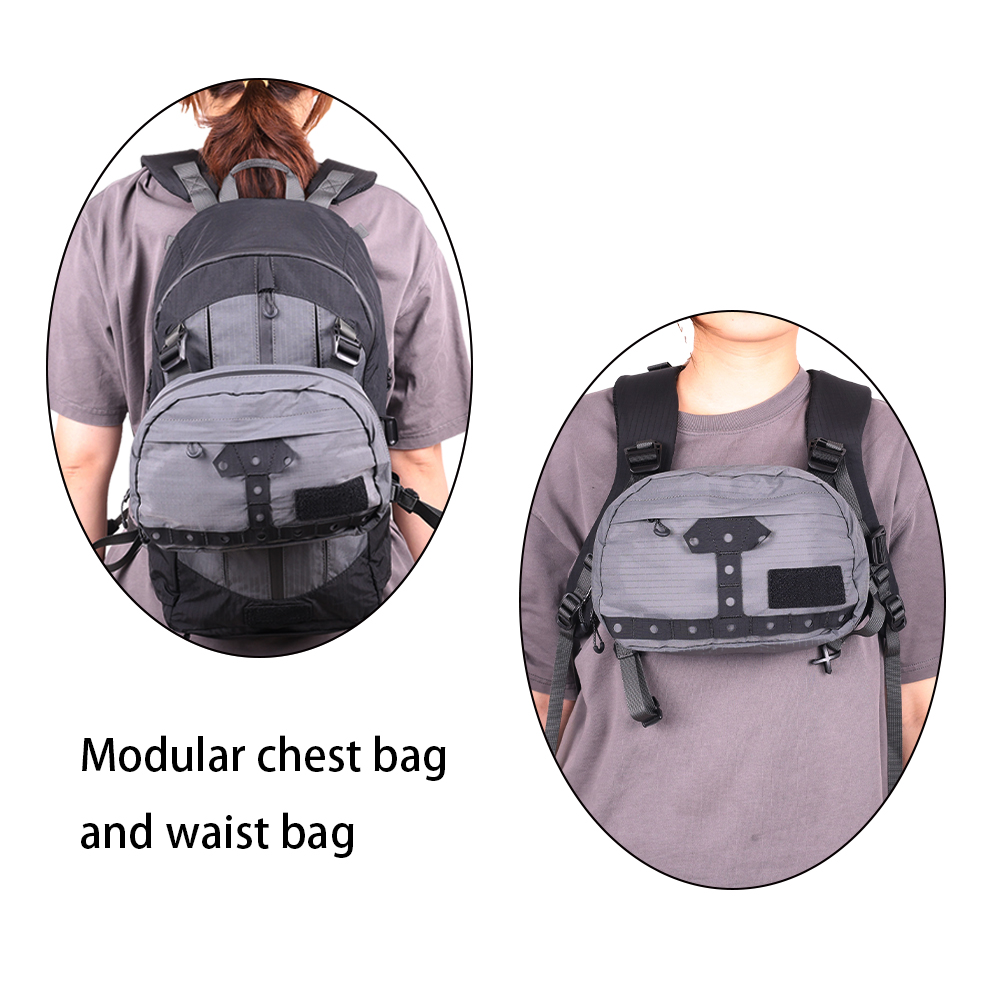
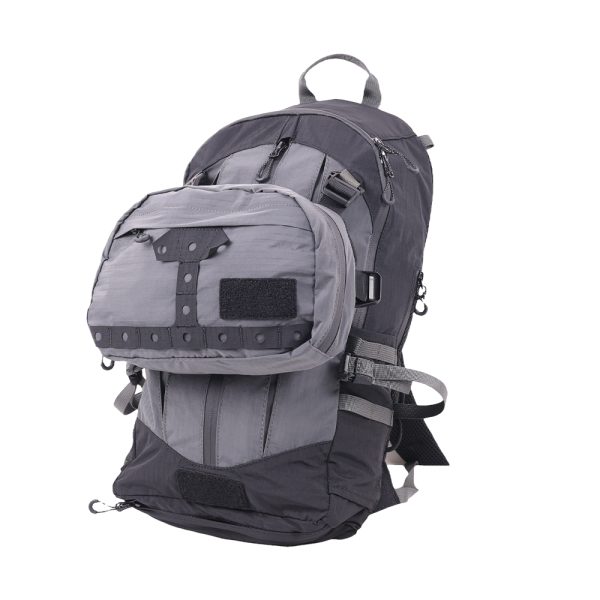
Private-label buyers face a tight set of trade-offs: durability versus weight, modularity versus cost, and clear supply timelines versus customization depth. You want a product that adapts to urban carry and outdoor use without blowing the margin or missing delivery windows. A tested example of that balance is a modular backpack that converts layouts without overcomplicating production. The problem isn’t a single choice; it’s multiple small design decisions that compound into returns, warranty claims, and lost retail trust.
What technically matters, in plain terms
Focus on five measurable variables. One: shell fabric—240–500D nylon or 600D polyester with DWR gives a predictable durability-to-cost ratio. Two: seam and attachment reinforcement—bar-tacks and boxed seams at stress points reduce failure rates more than thicker fabric alone. Three: zippers and hardware—specify brand and salt-spray or cycle ratings instead of vague terms like “heavy-duty.” Four: modular interfaces—use consistent attachment widths and locking geometries so accessories fit across SKUs. Five: pack architecture—load-bearing frames or sternum straps change perceived comfort more than pocket count. Specify these in tech packs with numeric tolerances and acceptance tests.
Common buyer mistakes and how to avoid them
Buyers often approve visuals before testing. Don’t. Approve prototypes only after simple tests: 48-hour zipper cycling, 72-hour UV and water exposure, and a 15 kg static-load sit. Avoid quoting fractional custom parts (one-off buckles) that spike tooling costs. Don’t accept “standard” DWR—ask for the hydrostatic head or AATCC spray score. Neglecting packaging size leads to higher freight and warehousing costs; request nested dimensions early. Finally, insist on a clear spare-parts policy for first-year returns to limit post-sale friction.
Alternatives and their practical trade-offs
If modularity is expensive, consider internal modular inserts that can be produced separately and stocked as accessories. If weight is the priority, switch to lighter ripstop fabrics but beef up seam reinforcement to compensate. Roll-top designs simplify waterproofing but reduce quick-access pockets. Clamshell designs improve packing and retail appeal but can change user perception of capacity. Each choice trades one measurable metric for another—decide which metric affects your target buyer most and lock that into the spec.
Experience, authority, and a real-world anchor
I’ve audited production lines and reviewed failure logs for multiple private-label runs, so this isn’t theory. Look at commuter patterns in New York City as a real-world anchor: that market favors compact, versatile daily carry that withstands rain and heavy use, which directly informs specs for the best edc backpack for men. Practical proof comes from comparing returned-item reasons against the spec sheet; when brands specify measurable tests up front, return rates drop predictably. For a concrete reference to a tested configuration, see best edc backpack for men which follows many of these testable decisions.
How to synthesize specs into production-ready packs
Create a minimal acceptance matrix: material denier, seam type, zipper model, hardware supplier, and three acceptance tests with thresholds. Share that matrix with factories and insist prototypes be tested to those thresholds before bulk sign-off. Build a simple spare-parts kit and packaging spec into unit-cost calculations. When a buyer prioritizes one axis—modularity, weight, or price—translate that into numeric concessions so suppliers can quote cleanly and you can compare bids directly.
Final synthesis
Problems become solvable when you turn subjective preferences into objective thresholds: name the denier, define the test, fix the attachment geometry. That clarity reduces rework, lowers post-sale issues, and creates predictable margins—exactly the balance I’ve seen executed consistently by ChangRong across repeat private-label runs.
