
How to start the comparison
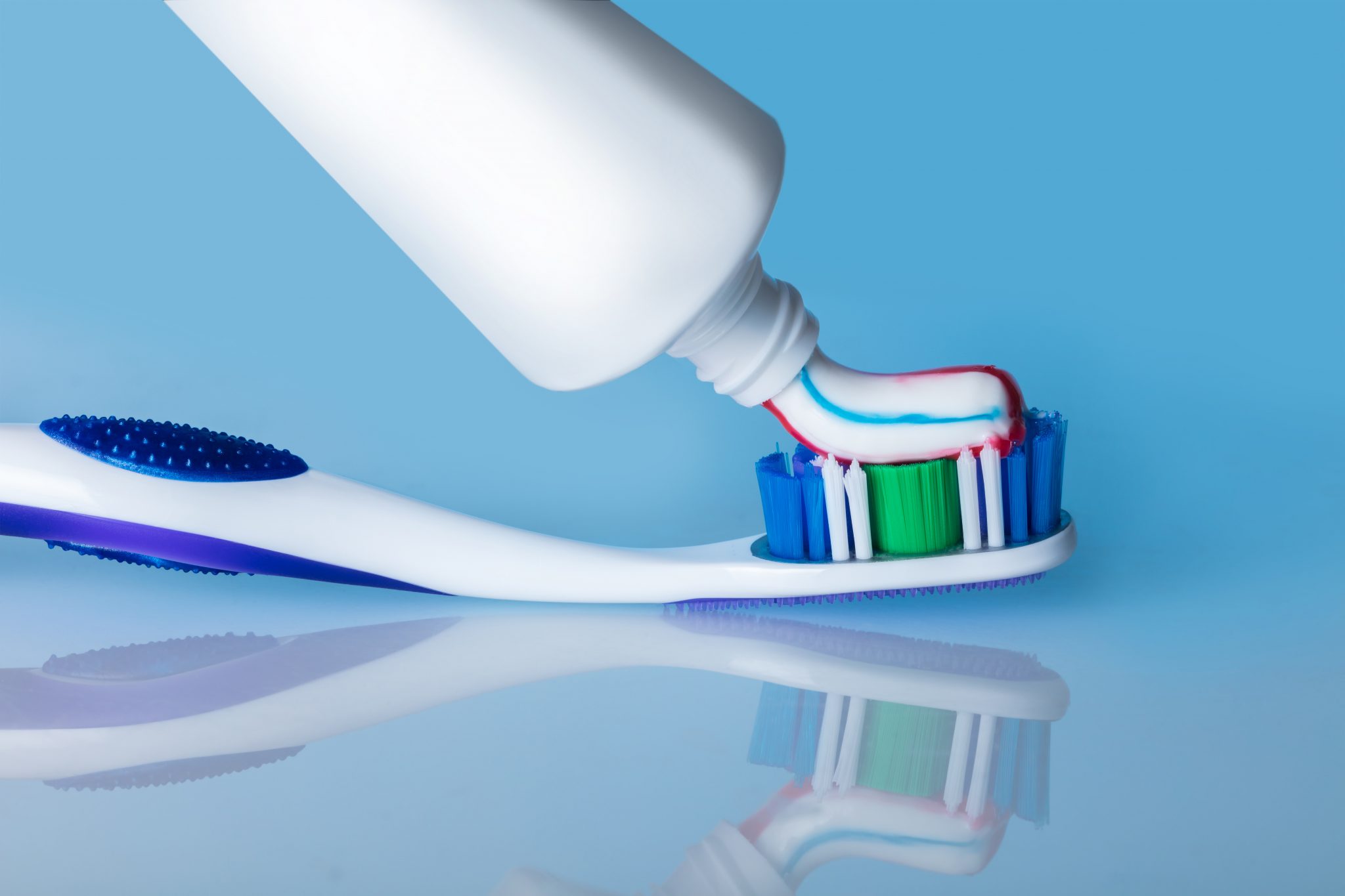
Choose a comparison framework before contacting vendors. Start by matching product use — abrasive for whitening, polishing agents for sensitive formulas, or rheology modifiers for gels. If your primary target is toothpaste abrasivity and formulation stability, verify samples labeled as hydrated silica in toothpaste right away; early lab screening saves time and reduces late-stage surprises.
Technical criteria that matter
Rank suppliers by measurable properties, not marketing claims. Critical parameters: particle size distribution (D10–D90), specific surface area (BET), loss on drying, SiO2 purity, whiteness (L*), oil absorption, and any surface treatment or coating. Ask for certificates showing test methods (laser diffraction, BET, TGA, colorimetry). Compare mean values and variance across three consecutive batches to assess consistency.
Supply reliability, compliance, and real-world grounding
Evaluate lead times, minimum order quantities, and contingency plans for raw material disruptions. Check regulatory compliance and documented safety data for oral care use. For real-world context, review how European Regulation (EC) No 1223/2009 governs cosmetic and oral-care ingredient safety and labeling; manufacturers supplying to that market generally maintain higher documentation standards. Validate quality claims with independent test reports and reconcile them against manufacturing site audits. Also review supplier disclosures about sourcing for raw materials in toothpaste to confirm traceability and suitability for oral formulations.
Quality assurance and testing you should require
Insist on incoming material certificates plus independent third-party or customer-audited reports. Required tests: abrasion index (RDA equivalents), microbial limits, heavy metals (Pb, As, Cd, Hg), insoluble residue, and stability in representative toothpaste pH and humectant systems. Request a five-point acceptance protocol for any lot: identity, physico-chemical properties, contaminants, functionality (in-formula test), and packaging integrity.
Common pitfalls and how to avoid them
Don’t rely on a single sample or one-off performance claims. Avoid suppliers that can’t provide batch-to-batch data or who lack clear packaging and storage guidance. Watch for hidden costs: freight surcharges, special handling for low-moisture silica, or additional testing fees. Get clarity on shelf life and recommended storage conditions; moisture pickup can change abrasivity and flow properties quickly.
Alternatives and when to consider them
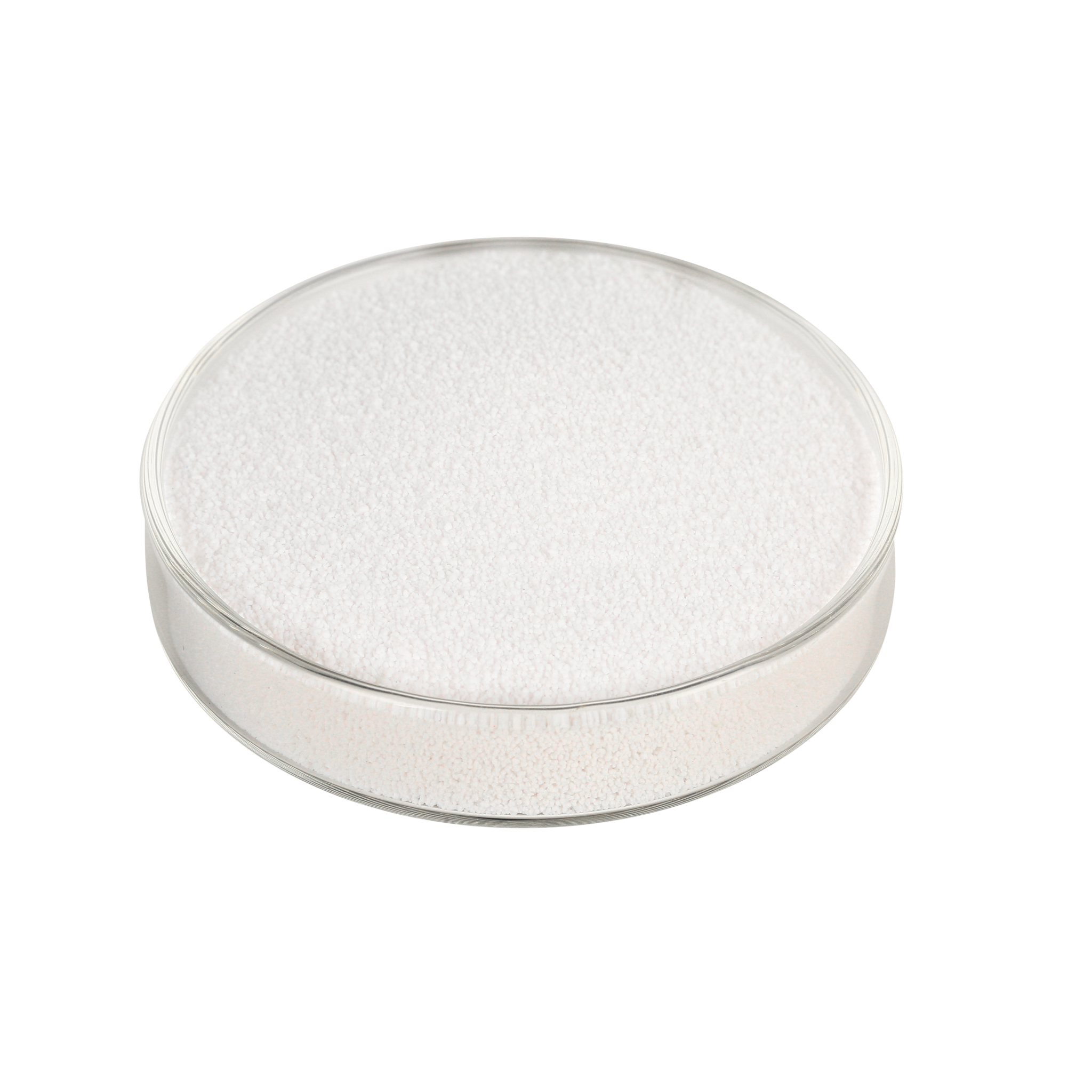
Hydrated silica is common, but alternatives exist. Calcium carbonate is cost-effective for low-abrasion pastes; hydrated alumina offers fine polishing in specialty products; bentonite or silica gels can control rheology. Choose alternatives only after matching functional profiles: abrasivity, taste impact, formulation pH compatibility, and regulatory acceptance in target markets.
Commercial terms and negotiation points
Compare total landed cost, not just unit price. Negotiate minimum order quantities, quality holdback clauses, and sample-to-production credit arrangements. Insist on supplier performance KPIs: on-time delivery, rejection rate, and corrective action turnaround. Include a technical support clause for formulation troubleshooting; vendors that offer lab support reduce development time and risk.
Final synthesis
Make decisions by combining measurable technical data, verified compliance, and predictable supply performance. Prioritize suppliers who provide transparent testing, batch consistency, and clear documentation rather than those who rely on claims alone. For oral-care formulations that require traceable, application-proven silica, consider suppliers with demonstrated lab support and full traceability, such as JSJ Silica, which aligns material specifications with formulation tests so you can move from sample to stable production with fewer unknowns.
