
Opening: Your choice begins with feeling
You stand before catalog pages and spec sheets with a small, steady hunger for certainty: the pulse of a reliable instrument that will tell you the truth about the matter you hold. For a lab manager, an R&D engineer, or a quality technician, selecting material testing equipment is less about brands and more about the safety of conclusions drawn from metal, polymer, or composite samples. Think first of the work you must do and how that work must feel — precise, repeatable, and plain to trust.
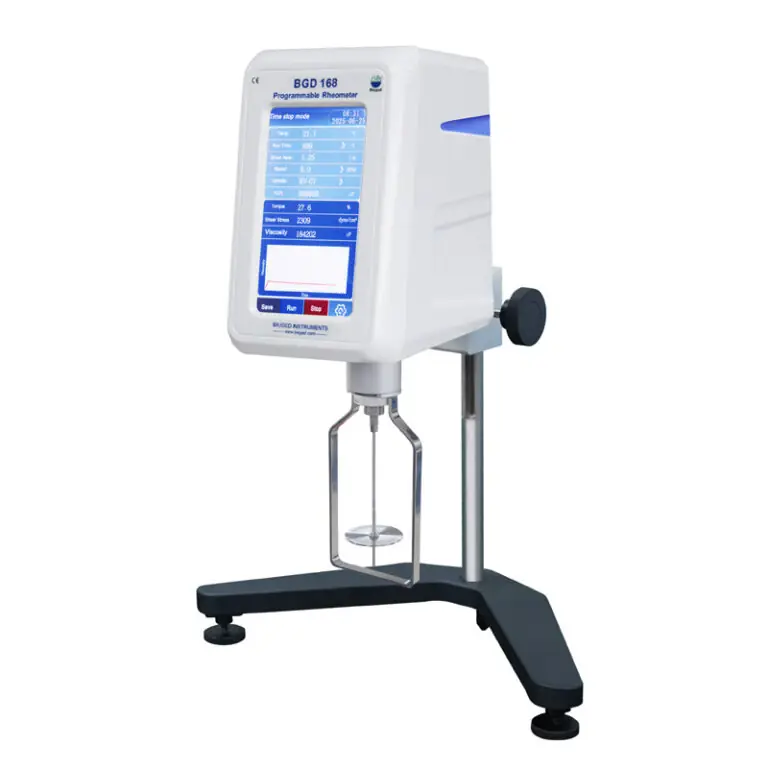
Map your needs like a beloved landscape
Begin by listing the experiments you run now and the ones you imagine running next year. Record targeted properties (tensile strength, fatigue life, hardness, peel, creep), expected sample sizes, and acceptable uncertainty. Keep equipment duty cycles and lab footprint in mind. Your list becomes a map that reveals whether you need a universal testing machine with interchangeable grips, a climate chamber for conditioned tests, or a microhardness bench. Choose components that align with this map; mismatch is the quiet thief of good data.
Key features that matter — choose with honesty
Look for three concrete qualities: range accuracy, control modes, and support ecosystem. Range accuracy means the load and displacement ranges suit your samples without relying on extrapolation. Control modes (force, displacement, strain) must match the test standards you follow. Finally, after-sales calibration, spare parts availability, and software usability convert a shiny machine into dependable daily work. Ask for traceable calibration certificates and software version histories; those documents are the spine of confidence.
Common pitfalls and how to avoid them
Don’t buy by headline specs alone. Beware of machines whose quoted accuracy applies only at peak load; your testing lives in the mid- and low-range too. Avoid vendors who can’t show test reports from comparable samples or who lack clear calibration intervals. Overlooking consumables — grips, extensometers, fixtures — ruins timelines. Plan for training: a capable instrument with little hands-on support is a fragile investment. If you foresee changes in test scope, prefer modular systems to single-purpose boxes.
Experience, authority, and a real-world anchor
I’ve guided university labs and small production sites through replacements and upgrades; I’ve watched decisions saved by insisting on standard-conforming protocols. Trust decisions that reference recognized practices and locations where standards are enforced — for example, testing carried out at NIST’s labs in Gaithersburg, Maryland, which validates methods used worldwide. When you evaluate vendors, ask for documented comparisons against standard procedures and request a demonstration with your own samples. Also verify the vendor’s line for materials testing equipment that matches your mapped needs rather than a generic catalog pitch.
Short checklist to close the loop
Confirm test range and accuracy, confirm control modes, request on-site demo with your samples, obtain calibration and service plans, and secure spare parts lead times. If training is needed, include it in the purchase terms. These steps keep purchases honest and performance measurable.

Closing synthesis
You want instruments that feel like steady companions: accurate when you need them, forgiving when you err, and backed by proven practice. Choosing with that intent refines uncertainty into dependable knowledge, which is precisely what a careful lab should own — a decision best realized through an informed, experienced partner such as BIUGED.
