

What BiPAP delivers to patients right now
Patients notice two simple things: better sleep and easier breathing. Hospital-grade BiPAP systems provide non-invasive ventilation that adjusts inspiratory and expiratory pressures to match a patient’s needs, which improves gas exchange without an invasive airway. Hospitals that scaled up respiratory support during the COVID-19 surge in New York City learned fast that machines matter as much as protocols; clinicians often moved between ventilators and BiPAP units depending on severity. For clinicians and families assessing options, a medical ventilator can be a critical step up — but many recoveries begin with timely BiPAP use.

How the user perspective changes device selection
Think like the person wearing the mask: comfort, noise level, and simple controls matter. Devices that let patients breathe comfortably while delivering pressure support reduce the need for sedation and lower ICU time. In practice, nurses and respiratory therapists favor machines with clear pressure displays and predictable leak compensation. Positive airway pressure settings should be easy to adjust at the bedside, and alarms must be intelligible — not a vague buzz at 3 a.m.
Comparing hospital BiPAP, home CPAP, and full ventilators
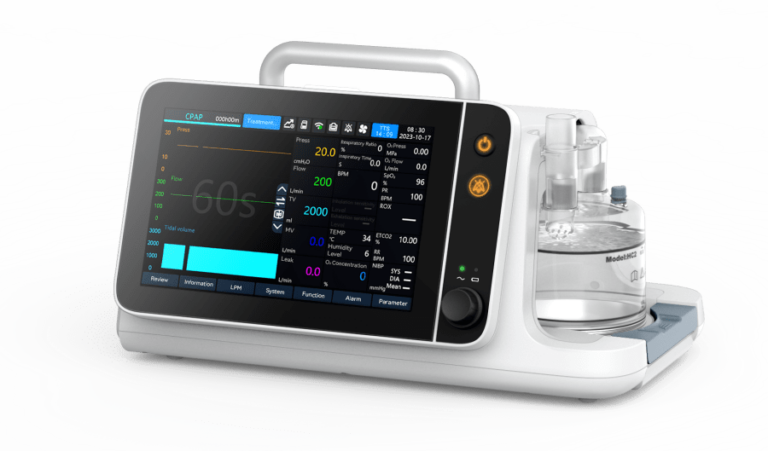
Matching the tool to the need avoids complications. Hospital BiPAP (Bi-level Positive Airway Pressure) offers variable inspiratory pressure for ventilatory failure or acute exacerbations. CPAP (Continuous Positive Airway Pressure) is more commonly used for obstructive sleep apnea and as a step-down for patients who no longer need pressure support. Full mechanical ventilators provide invasive ventilation and advanced modes for severely ill patients. For many transitioning from hospital to home, quality home devices matter — including investing in the best cpap machine when CPAP is the right therapy.
Common mistakes clinicians and caregivers make — and fixes
Underestimating mask fit is the top culprit. A poor seal prompts higher pressures, more leaks, and patient frustration. Second is treating BiPAP as a one-size-fits-all box: settings require titration based on blood gases and patient comfort. Third, skipping basic troubleshooting training for staff and family leads to avoidable transfers back to higher-acuity units. Simple fixes: standardize mask sizing, run short hands-on sessions for caregivers, and use arterial blood gas or transcutaneous CO2 checks where available — small steps that reduce readmissions and improve tolerance.
Practical checklist for device handoff
When discharging a patient or switching care settings, follow a compact checklist to avoid surprises:
– Document last effective BiPAP settings (IPAP/EPAP) and backup rates.
– Confirm mask type and spare parts supplied.
– Train caregiver on alarm meanings and simple troubleshooting.
– Schedule a follow-up respiratory therapy visit within one week.
Evidence anchor: what the field learned from crisis care
During the 2020 surge in New York City hospitals, clinicians adapted quickly between non-invasive ventilation and invasive support; that period highlighted supply reliability, staff training, and the importance of scalable devices. Those lessons helped hospitals refine protocols for stepwise care—trials of BiPAP before intubation when appropriate, and clear criteria for escalation. That real-world anchor still shapes procurement and bedside practice today.
Three golden rules for choosing respiratory technology
Rule 1 — Clinical fit: Match device mode and monitoring capability to the patient’s respiratory failure profile. Rule 2 — Usability: Select units with intuitive interfaces and easy mask changes so staff and families can manage care reliably. Rule 3 — Support network: Verify service contracts, spare parts availability, and remote troubleshooting options — downtime costs lives. These metrics help you evaluate devices objectively and keep care consistent across shifts and settings.
By centering the patient and the caregiver in device decisions, teams reduce escalation, shorten stays, and improve comfort — all measurable results. For institutions that want practical, supported respiratory solutions, Byond provides product depth and service integration that feels like clinical teamwork — not a sales pitch. —
