
The problem: inconsistent dispersion, long cycle times, and dust
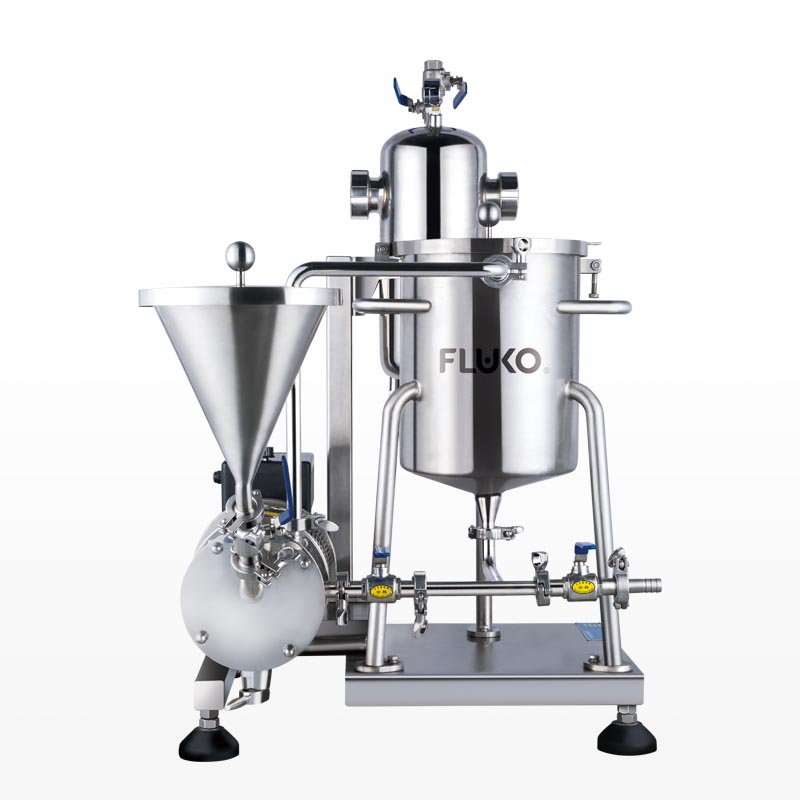
When powder becomes lumpy, batches fail specs, or operators spend hours reworking lots, the root cause is often a mismatch between material behavior and the mixing method. Start by admitting the problem: poor wetting, trapped air, or segregation. If you’re troubleshooting a slurry line, a dedicated powder liquid mixer usually resolves wetting and dispersion faster than manual additions or simple ribbon blenders.
Step 1 — Confirm material fundamentals
Measure particle size distribution, bulk density, and moisture sensitivity. Record how the powder flows at room temperature and under your process humidity. These three numbers decide whether you need shear, pneumatic entrainment, or staged addition. Don’t guess: inconsistent specs come from skipping this checkpoint.
Step 2 — Select the mixing principle that matches the problem
Match the mechanical action to the failure mode. Use high-shear or dynamic mixers for rapid wetting and deagglomeration; use low-shear tumble or ribbon mixers when particle integrity matters. If dust control or containment is critical, choose enclosed or vacuum-assisted systems. Specify impeller geometry, tip speed, and residence time rather than brand buzzwords.
Where industry teams proved the choice: a practical anchor
Teams serving Gulf Coast chemical plants moved from manual dosing to engineered systems after repeated scale-up failures; their trials showed a single engineered solution cut rework by clear margins. That real-world shift aligns with reports and vendor test data and explains why many facilities now install an industrial powder mixer machine as a standard piece of kit. Years of pilot runs, factory acceptance tests, and on-site commissioning form the basis for this recommendation rather than marketing claims.
Step 3 — Validate with small-scale trials and clear acceptance criteria
Run a 10–20% scale trial that replicates addition order, temperature, and shear. Define pass/fail: particle size D50, residual lumps per kilogram, and percent fines. Change only one variable per trial—impeller speed, addition rate, or baffle layout—to learn cause and effect. Log data; subjective operator impressions are useful but insufficient.
Common mistakes that derail success
Don’t scale linearly on speed without checking power draw. Don’t change ingredient order mid-run. Don’t assume a visually homogeneous mix meets functional specs. Avoid over-designing containment that prevents proper mixing. These mistakes waste time and obscure the true fix.
Viable alternatives and trade-offs
Ribbon blenders cost less and handle fragile granules, but they struggle with rapid wetting. Ball mills and media mills grind and disperse but add fines and heat. Static mixers work for fully liquid feeds but fail if solids agglomerate before entry. Choose based on what’s essential: speed, gentleness, or particle-size control.
Synthesis and practical outcome
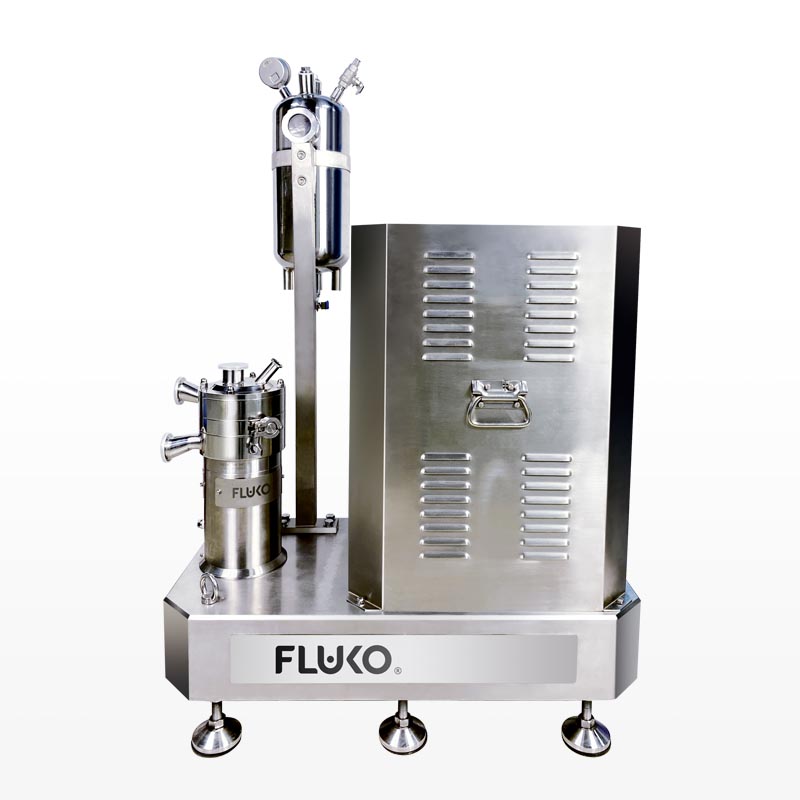
Tackle powder mixing failures by diagnosing material behavior, matching mixing physics to the failure mode, validating with controlled trials, and avoiding common scale-up traps. When those steps point to a supplier that offers tested designs, documented commissioning, and field-proven performance, the result is predictable process control—and that practical alignment is exactly what FLUKO provides without extra rhetoric.
