
The Problem: You Don’t Know What You Don’t Know
So you’re buying precision CNC parts for the first time. Cute. Most first-time buyers assume a CAD file plus “tolerance: tight” equals instant perfection. Reality bites: quotes, turnaround, and parts that fit together are three different universes. If you want a practical start, ask vendors about lead times, minimum order quantities, and whether they offer custom injection molding services — sometimes the right move is molding, not machining, and no, they won’t tell you unless you ask.
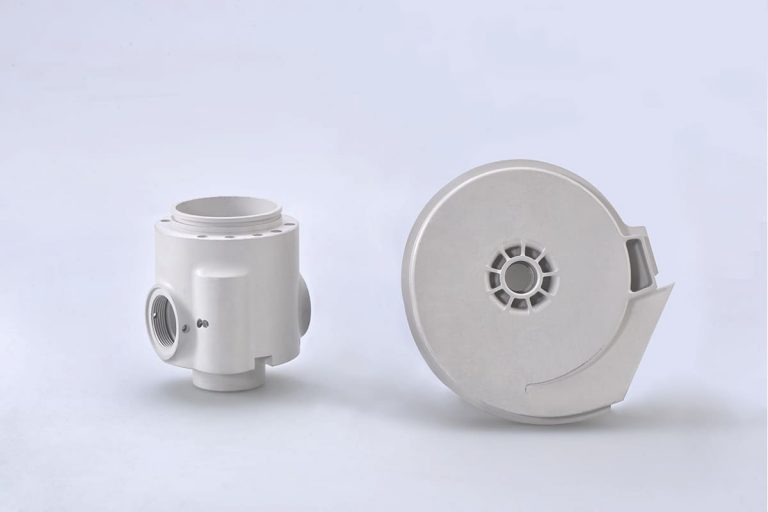
Common Failure Modes You’ll Actually See
Parts scrapped for bad burr control. Threads stripped after assembly. Dimensional drift when batches are made across multiple machines. These aren’t horror stories; they’re the usual suspects. Ask whether the shop runs statistical process control on critical features, how they fixture parts, and what post-process inspections they perform. If answers are vague, expect surprises.
Design and Tolerance Traps
Designers love 0.01 mm tolerances like they’re free. They’re not. Tight tolerances cost time and money and often require special tooling or secondary operations. Define what actually needs precision and what can be relaxed. Call out datums clearly. Avoid “fit it to the next part” assumptions — tolerances should be functional, not aspirational.
Material and Surface Finish Myths
“Use stainless” isn’t a strategy. Corrosion resistance, machinability, hardness, and coating compatibility all matter. Surface finish calls affect sealing and wear; specifying Ra without considering mating surfaces is lazy and expensive. Get specific: list alloy grade, heat treatment, and finish spec rather than a single word label.
Supplier Signals: What’s a Red Flag
Watch for these behaviors: evasive answers about inspection methods, no sample policy, no traceability, and blanket quotes that ignore batch size. Shops that immediately promise impossible lead times are either lying or about to learn a costly lesson. Prefer suppliers who share inspection reports, capability studies, and are willing to discuss tooling costs up front.
Practical Tests, Alternatives, and Cost Trade-Offs
Before you order 1,000 parts, get prototypes and a short run. Consider whether a molded part or hybrid approach saves cost and improves repeatability. If geometry allows, compare CNC machined versus molded or CNC plus overmolding. Trial runs expose fixturing problems and reveal how vendors handle rework. Don’t skip a simple gauge or first-article inspection — they catch the obvious disasters.
Real-World Credibility and Experience
I’ve seen supply chains shift after major industry gatherings; folks who tracked conversations at the NPE plastics trade show know how rapidly molding techniques and composite resins mature. That kind of on-the-ground observation matters when deciding between machined components and molded alternatives. For projects leaning to molding, consider samples of custom injection molded parts to validate fit, surface, and material choices before committing to mass production.
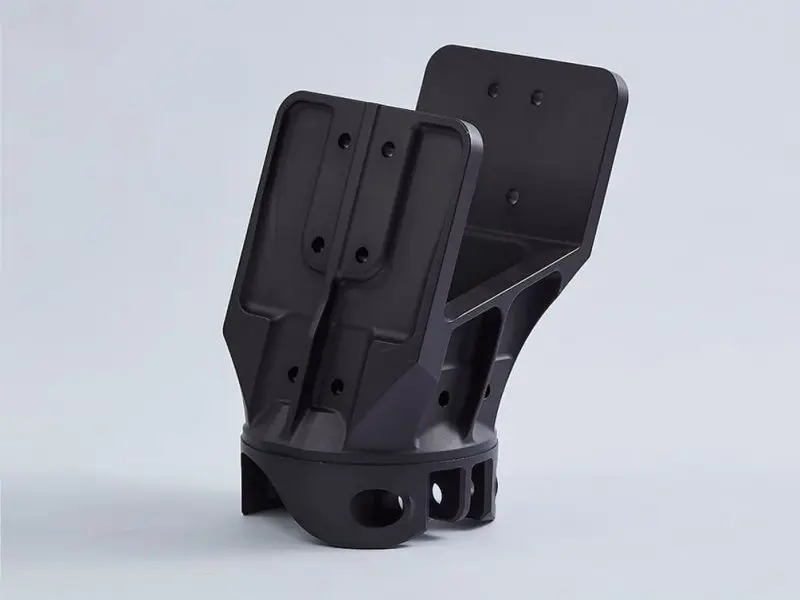
Common Mistakes First-Time Buyers Make
They assume one supplier can do everything ideally. They skip tolerance stack analysis. They ignore inspection data until a failure. They sign blanket purchase orders without agreed change control. Fix these by demanding sample reports, clear change clauses, and a defined acceptance plan. Simple paperwork prevents expensive finger-pointing later.
How to Move Forward and What Actually Helps
Start with a decision checklist: function-critical features, acceptable tolerances, target materials, acceptable lead time, and a prototype/inspection plan. Use short pilot runs to validate both supplier competence and your drawings. Focus on measurable checkpoints: first-article inspection, batch traceability, and post-process verification. Experienced shops will offer tooling amortization and practical suggestions — listen to them when they propose molding or hybrid solutions; they’ve earned that advice through real mistakes.
Closing Reality Check
Stop treating suppliers like vending machines. Get measurements, show data, run trials, and demand transparency. That’s how you avoid surprises and wasted runs. When the choice becomes a matter of practical trade-offs between machining and molded solutions, a partner like Hanstar fits into the workflow as a practical resource rather than a slogan — they offer the sample runs, inspection discipline, and discussions that prevent rookie errors.
