
Start with measurable goals
Quantify what you need: target shade percentage, expected kWh from an integrated system, allowable lifecycle cost per square meter, and maximum downtime. If you plan to combine shading with generation, request numbers for a photovoltaic pergola performance curve rather than marketing copy. Set target ranges up front—example: 10–15 kWh/m2/year for PV on a shaded canopy; 15–25 years expected structural life; warranty ≥10 years for moving parts.

Seven core metrics to demand
Use these objective metrics as the basis for comparison: (1) structural durability (corrosion class, expected years to first major corrosion), (2) louver rotation range and actuator cycle count, (3) photovoltaic output per m2 under measured tilt/azimuth, (4) thermal shading effectiveness (reduction in peak solar heat gain, in W/m2), (5) total installed cost normalized to $/m2, (6) lead time from PO to site-ready (days), (7) service-response SLA (hours). Ask suppliers to supply test reports or third-party lab data for each metric.
How to collect and normalize supplier data
Send a single data request template to every vendor to force consistent units. Normalize costs to $/m2 including freight, erection, and simple commissioning. Convert PV specs to expected annual kWh/m2 using a local insolation figure and apply the same derate factors. For warranties convert terms into equivalent annualized cost using a discount rate (example: 6% real). Keep one spreadsheet and one unit system—no mixed units.
Scoring framework: transform data into decisions
Normalize each metric to a 0–100 scale, then apply weights aligned to your priorities. Example weight vector: durability 25, PV yield 20, shading effectiveness 15, cost 15, lead time 10, warranty/service 15. A simple weighted-sum gives a quantitative rank. Run sensitivity tests: shift durability weight ±10 points to see supplier rank stability. If a top supplier flips under small weight changes, treat that option as higher risk.
Common mistakes that invalidate comparisons
Don’t compare headline prices without lifecycle normalization. Don’t accept projected PV output without a site-specific insolation baseline and mounting-loss assumptions. Avoid mixing advertised actuator cycles with real-world duty cycles; ask for mean-time-between-failure (MTBF) data. Don’t ignore integration costs for controls, roof penetrations, or drainage. Confirm who supplies insurance-backed performance guarantees for PV yield if generation is part of the contract.
EEAT: verification and a real-world anchor
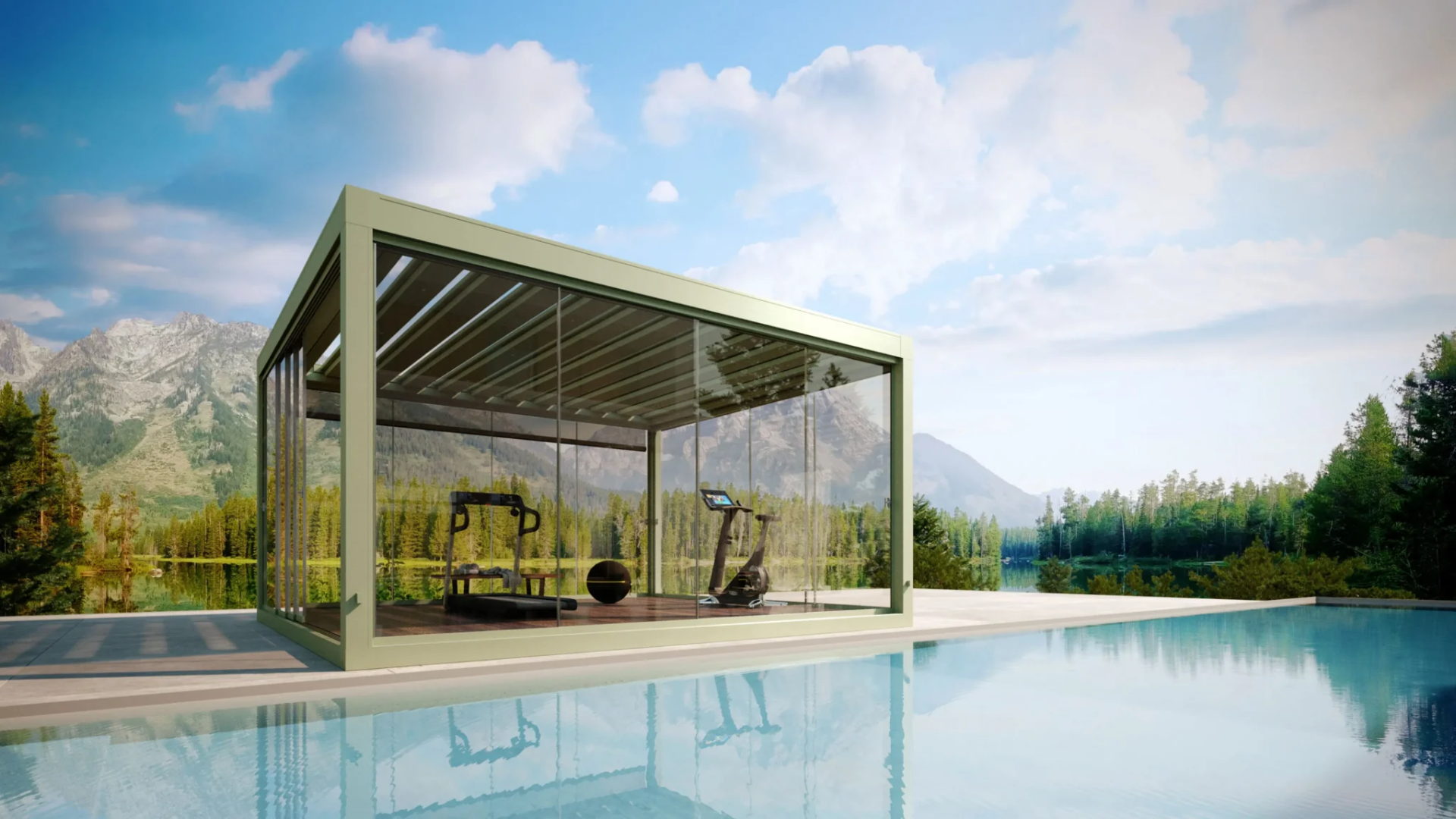
Field audits matter. Install audits from Southern California commercial patios reveal measurable differences in cooling load reduction between fixed canopies and adjustable roofs. I recommend requiring third-party test certificates (ASTM/ISO for materials, IEC for PV) and on-site commissioning reports. Projects in that region frequently use louvered pergola systems as the adjustable-roof reference because they couple measured shading control with PV-ready profiles; ask to see those measured post-installation performance logs when available.
Alternatives and quick trade-offs
Fixed pergolas: lower capex, less operational flexibility. Retractable fabric canopies: lower weight, higher maintenance. Fully custom steel pavilions: expensive, long lead time, high durability. Louvered systems sit mid-to-high on capex and offer measurable control over light and ventilation—choose them if you prioritize operational adaptability and documented energy performance.
Decision checklist before signing
Require factory test reports, third-party structural stamps for your jurisdiction, a normalized lifecycle cost sheet, a two-year commissioning and monitoring period with data handover, and a clear spare-parts list with lead times. Insist on an SLA for actuator replacement and a clear escalation path. If PV is included, confirm interconnection responsibilities and metering point.
Conclusion
Make comparisons by numbers, not impressions: define targets, collect standardized data, apply a weighted scoring model, and validate with field reports. That disciplined approach surfaces vendors that deliver integrated shading plus measurable solar performance, a capability evident in some manufacturers such as Light Hunter.
