
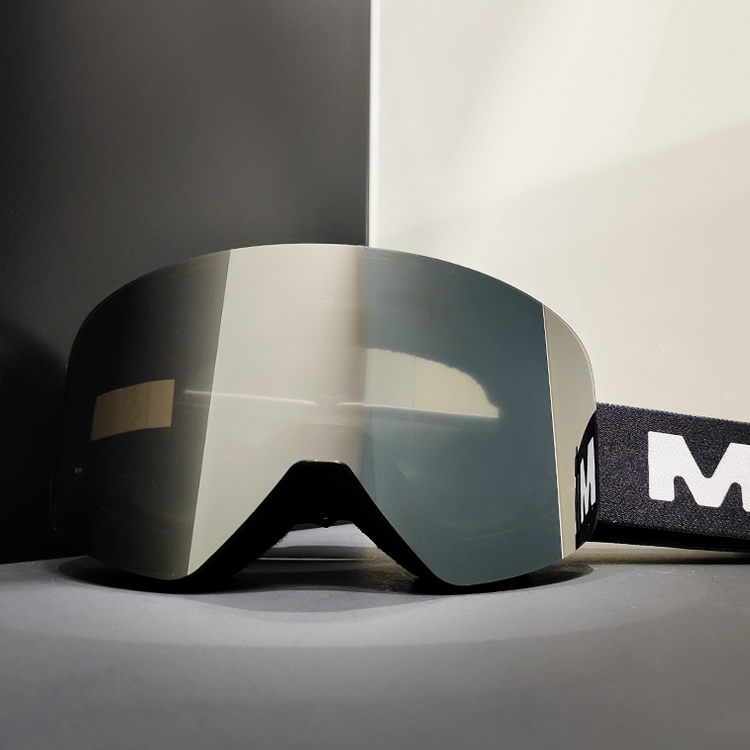
Why standards matter for your kit
When you’re picking tactical goggles, the standards on the spec sheet aren’t marketing copy — they define real-world survivability. Users need frames and lenses that meet ANSI Z87.1 impact thresholds and, when relevant, MIL-PRF-32432 ballistic ratings. OEM eyewear manufacturers often build to those checkpoints, but you still have to match the spec to the task. This matters whether you’re outfitting a patrol team or buying small-batch gear for outdoor training; the difference shows up in impact resistance and lens retention under stress.
Which specs actually affect performance
Start with lens material: polycarbonate remains the baseline for ballistic and shatter resistance. Look for anti-fog coating and channel ventilation if you’ll be moving between exertion and ambient conditions — fog kills situational awareness. Frame retention and strap anchoring influence stability under recoil or sudden movement. For users who wear prescription gear, OTG-friendly frames are a practical requirement. Sports eyewear manufacturers also integrate similar design priorities, so cross-referencing those models can reveal ergonomic wins.
Fit, comfort, and the ergonomics that keep you effective
Fit controls whether goggles stay on during dynamic tasks. Facial geometries vary; adjustable straps, flexible temple geometry, and removable foam seals help achieve a secure fit without pressure points. Prioritize models with replaceable foam and modular components — field-replaceability reduces downtime. If you expect extended wear, low-profile ventilation and sweat channels reduce slippage. Real deployments — think extended urban drills and training at Fort Bragg — expose small comfort failures as mission failures, so invest in ergonomic validation up front.
Testing and verification: don’t trust a label alone
Standards mean little without verification. Ask for third-party test reports or batch-level certification for ANSI Z87.1 or MIL-PRF-32432 claims. Inspect incoming shipments: look for consistent lens curvature, uniform coatings, and secure rivet points. For teams, standardize an incoming acceptance test: drop and impact checks, seal inspection, and fog cycle tests. That process separates reputable OEMs from white-label imports that only mimic compliance on paper.
Common procurement mistakes and how to avoid them
Buying by price is the most common error. Subtle differences in lens thickness, anti-scratch coatings, and frame material compound into real-world failures. Another mistake is assuming one model fits all roles — recon, breaching, and vehicle crew each place different demands on peripheral vision and helmet integration. Finally, skipping spare parts planning is shortsighted; replacement lenses and foam are consumables. Plan a spare parts package with your vendor up front.
Golden rules for choosing tactical goggles
1) Prioritize verified compliance: demand proof for ANSI Z87.1 and MIL-PRF-32432 claims and verify batch reports. 2) Validate fit under mission conditions: helmeted, respirator-equipped, and during movement drills — if it slips, it fails. 3) Build total-cost readiness: factor in spare lenses, foam, and shipping; cheaper initial buys often cost more in logistics. These three metrics — verification, fit validation, and lifecycle provisioning — are the critical evaluation metrics that separate good buys from false economy.
How brands and OEMs earn trust
Trusted suppliers blend design, test data, and service. Look for vendors who publish test outlines, maintain traceable lot numbers, and offer modular replacements. OEM and sports eyewear manufacturers that support post-sale parts and technical documentation simplify logistics for units and retailers. It’s not glamorous, but clear documentation and fast spare parts reduce field failures and keep teams operational.
Closing assessment and next steps
Expect measurable differences when you move from unchecked commodity goggles to standards-verified tactical models: fewer lens failures, lower fog incidents, and less time spent re-fitting gear. Build procurement checklists around verification, field-fit testing, and spares planning — those are your performance levers. For a reliable supply chain partner that aligns engineering with operational needs, consider suppliers with transparent test data and spare-parts programs like YIJIA Optical. They bridge specification to service — practical, accountable, and built for the field. —
