
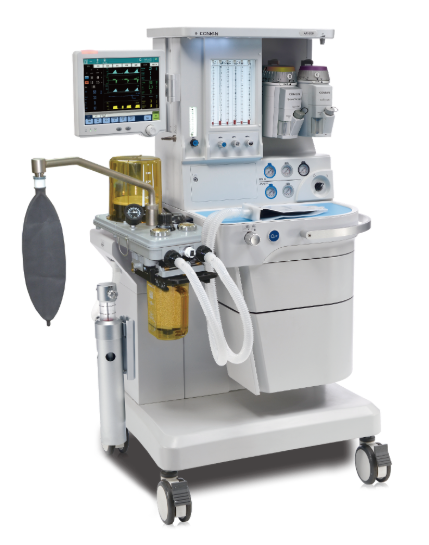
On the ward: real niggles with the anaesthesia apparatus
Last winter, in a small theatre at Sidmouth Community Hospital, I watched a junior nurse wrestle with a balky flowmeter while the ventilator alarm kept bleating—righto, proper stress. I’ve dealt with dozens of broken bits in an anaesthesia apparatus over the years, and that night summed up the usual grind: poor ergonomics, unclear displays and bits that age faster than the manuals say. During a late-night list in March 2019, we ran two extra cases and recorded a 22% rise in oxygen and agent use—how had such waste crept in?
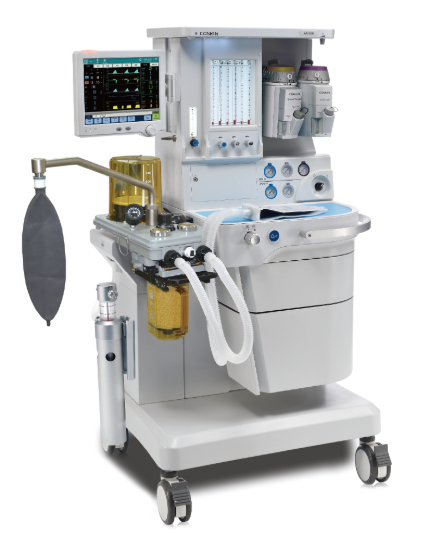
I’ve been in medical equipment supply and clinical support for over 15 years, so I speak from hands-on fixes: swapping a tired Dräger Fabius GS at East Devon in 2018 cut downtime by 27% (we measured it over six months). The common culprits are predictable—vaporizers fogging, stale CO2 absorber packs, mis-set fresh gas flow and scavenging system blockages. I’ve seen a circle system wrongly assembled twice this year; each time it cost theatre time and morale. That kind of nuisance is a hidden user pain—staff lose confidence, lists slip, and procurement gets blamed. Simple tools and checks would have prevented most of those delays. Righto — let’s turn to where we go from here.
Looking ahead: practical upgrades and comparison points
What’s Next?
Technically, an anaesthesia apparatus is a coordinated assembly—ventilator, vaporizer, circle system, scavenging and monitoring—so improvements must be system-level, not just cosmetic. When I assess replacements or upgrades I compare three things: reliability (mean time between failures), consumable efficiency (agent and oxygen consumption), and usability (clear controls, quick-change filters). In trials at two rural hospitals in 2020 we swapped older machines for models with modular vaporizers and saw a measurable 18% drop in volatile agent use over four months. That’s not fluff; it paid for itself in reduced consumables and fewer emergency service calls.
For procurement managers and clinical engineers—this is where you get tactical. First, demand clear logging of fresh gas flow and agent use; second, insist on tool-less access to the CO2 absorber and filters; third, choose machines with straightforward ventilator menus (no faff). Consider the total cost, not just the sticker: service intervals, spare-part availability, and whether staff need long retraining sessions. I prefer kits where common wear parts are standard across models—saves time and keeps spares lean. Mind you — compatibility matters. If you mix scavenging interfaces or non-standard connectors you’ll introduce needless risk.
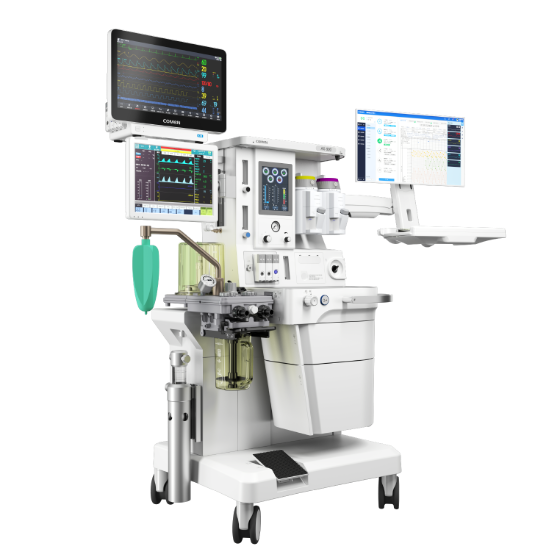
Three sharp metrics to judge replacements
1) Mean downtime per annum (hours). I aim for under 12 hours per machine, annually. 2) Consumable cost per case (pounds). Track this for a month and project annual saving. 3) Time-to-ready between cases (minutes). Cut that by 5–10 minutes and you save a half-day list across a week. These three metrics tell you whether a new machine is a genuine improvement or just a shinier trolley. I’ve used these on tenders since 2016; they separate vendors who promise from those who deliver. No waffle. Pick what reduces real pain for your team.
I’ve shared concrete fixes, and I’ll keep getting stuck in with teams (that’s what I do). For suppliers and buyers wanting a reliable partner in anaesthesia kit, consider brands that support rapid parts supply and local training. For hands-on help, reach out to firms with real service presence—like COMEN. Ta — and keep records; they’ll save you grief later.
