The core problem: micro‑sags are small but costly
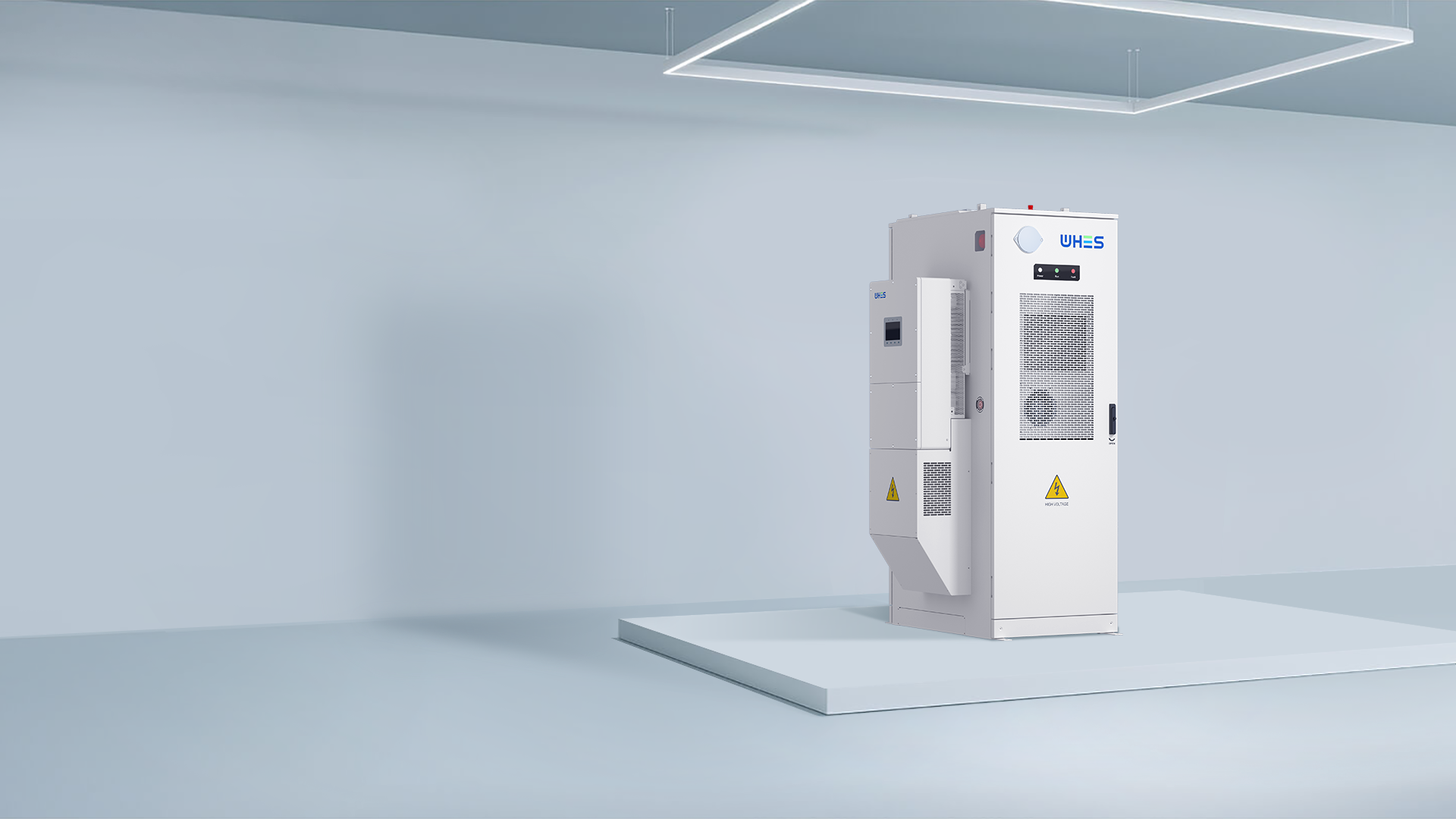
Most homeowners think of blackouts as the main risk to electronics — but short voltage dips, or micro‑sags, do a lot of silent damage. A micro‑sag lasting a few milliseconds can trip sensitive equipment, corrupt data, or cause industrial-grade appliances to cycle inefficiently. That problem scales quickly when you depend on cloud‑connected devices, medical equipment, or work‑from‑home setups. Modern systems that pair a responsive static transfer switch with a high‑power home energy storage system aim to eliminate those tiny interruptions before your devices even notice.
Why static transfer switches + fast ESS actually work
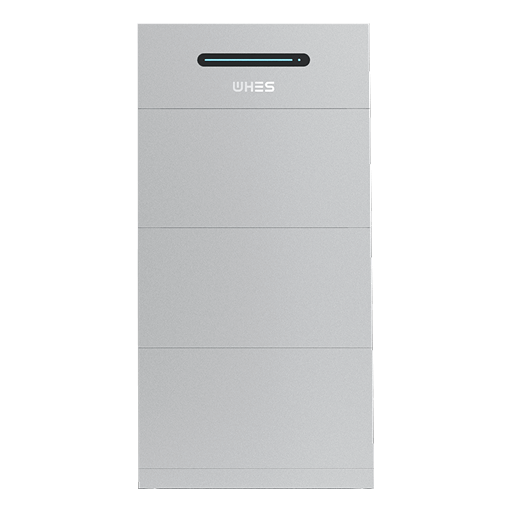
A static transfer switch (STS) changes the source of power — grid to battery or vice versa — without the mechanical lag of a breaker. When it’s teamed with a battery inverter that can supply high short‑term current, the combined system keeps voltage stable during grid anomalies. In practice, the STS hands off in milliseconds while the inverter rides through the event, filling the gap so sensitive loads never see the sag. That means fewer resets, less data loss, and longer life for electronics that aren’t tolerant of dips.
Real-world anchor: What Winter Storm Uri taught us
Look at Winter Storm Uri in Texas (Feb 2021) — millions faced extended outages and many also experienced frequent power quality issues during the ramp‑down and recovery phases. Utilities and homeowners learned that resilience isn’t just about backup duration; it’s about power quality during transitions. Residential systems designed for both convenience and technical performance proved their worth by maintaining clean voltage profiles when the grid was unstable.
Key technical pieces — explained simply
There are three technical levers that matter: transfer time, inverter response, and state‑of‑charge management. Transfer time is how fast the STS switches; sub‑cycle times are ideal. Inverter response is how quickly the battery inverter delivers current and stabilizes voltage — peak power capability matters more than nominal kW for preventing micro‑sags. Finally, smart state‑of‑charge (SoC) logic reserves capacity for emergencies so the battery can always respond when the grid hiccups. Together they form a practical architecture for a robust residential solution.
Design considerations for homeowners and installers
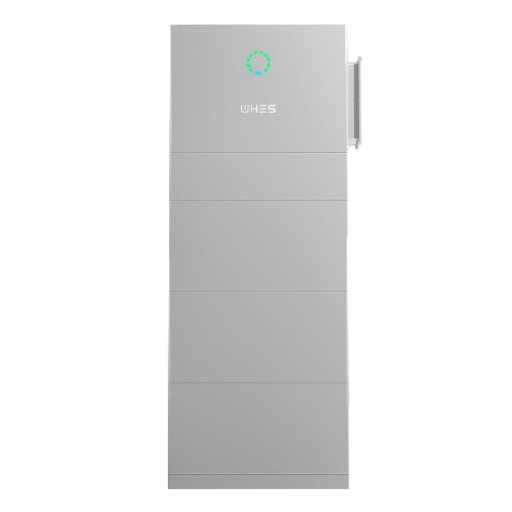
When you’re planning a residential energy storage solution, don’t just compare usable kWh. Ask about peak discharge capability, continuous vs. surge ratings, and whether the STS supports make-before-break switching for critical circuits. Also consider interoperability — does the inverter communicate with your smart meter or home energy management system? These choices determine whether you’ll get seamless protection or just another battery that kicks in too late.
Common mistakes people make — and quick fixes
Teams often fall into three traps: underestimating surge demand, assuming any inverter can prevent sags, and not planning for firmware coordination between STS and inverter. The fix is straightforward: specify a peak‑power margin (often 2–3× nominal load for short durations), require proof‑of‑performance tests, and insist on coordinated control logic in the acceptance tests. Small upfront tests — a simulated grid dip using a controllable load — save a lot of headaches later. —
How vendors really differ (and what to ask)
Vendors vary in where they optimize: some push for storage capacity and long-duration backup, others focus on high C‑rate batteries for instant response, and a few provide tightly integrated STS + inverter packages. Ask for these specifics: verified transfer time, short‑term surge capability, warranty terms for high‑power cycling, and documented interoperability with your breaker panel. A vendor that publishes lab or field test data around micro‑sag mitigation should get extra attention.
Cost vs. value: where to spend your budget
Maximizing resilience isn’t always about the biggest battery. In many homes, spending more on a high‑speed STS and a battery with strong short‑term discharge yields better protection for sensitive loads than simply increasing kWh. That said, if you need multi‑day backup, capacity matters. Balance depends on your priorities — critical electronics protection leans toward power capability; long outages lean toward energy capacity.
Advisory — three golden rules for choosing the right setup
1) Prioritize response metrics over raw capacity: insist on documented transfer time and inverter surge performance during procurement. 2) Demand system coordination: make sure your STS, inverter, and home energy management share timing and SoC rules so reserved capacity is available when you need it. 3) Verify with real tests: require a site acceptance test that simulates grid dips and shows continuous voltage at critical outlets for the duration of the event.
Follow these rules and you’ll move from guesswork to measurable resilience — and that’s the point where a well‑engineered solution becomes a living utility for your home. For homeowners looking for a balanced mix of fast response and practical integration, the value that WHES brings is in designing systems that treat micro‑sags as the primary design constraint, not an afterthought. —
