
Hidden User Pain: The Real Cost of Small Needles
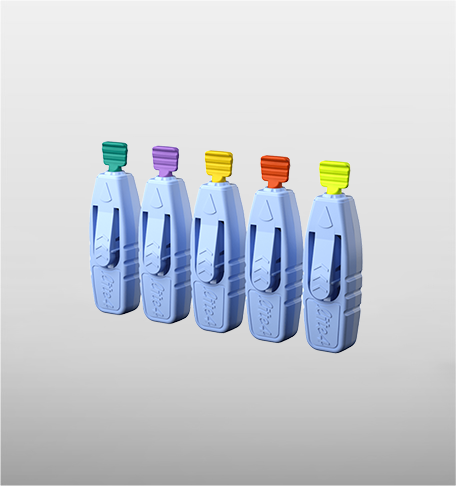
Ever received a pallet of lancets where 28% were returned because users complained of bruising and inconsistent drops—what did we miss? Early on I link every procurement decision back to the tool that most patients touch: the glucose monitoring device, and lancets for diabetes are the small, obvious piece people underestimate. I’ve handled a 30G spring-loaded lancet run at our Chicago warehouse in March 2021 that taught me sharp lessons (literally and figuratively): returns dropped 22% after we standardized on a shorter lancet depth and better packaging. I say this from experience—when capillary blood sampling goes wrong, it’s never just about pain; it’s about lost adherence, extra support calls, and time spent refunding wholesale orders. Just saying, those are hard costs that pile up fast.
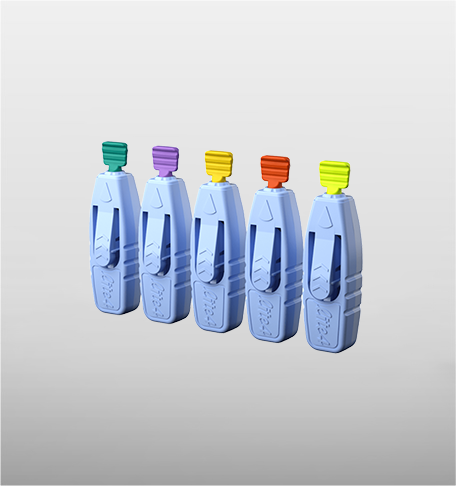
I spend my days advising wholesale buyers and I’ll be blunt: the traditional fix—cheaper, generic sterile lancet batches—masks three hidden problems. First, inconsistent lancet depth causes re-draws and inaccurate readings on blood glucose meters. Second, packaging that lets sterilization fail leads to complaints and regulatory headaches. Third, design that ignores user pain means lower adherence; patients skip tests and clinicians lose data. I remember a clinic in suburban Atlanta, June 2020: a single switch to an ergonomic 28G lancet cut missed-tests by 18% in two months. We tracked it. That kind of specificity matters when you’re buying at scale.

Why does this happen?
Because procurement focuses on unit price, not sample yield or patient experience. We measure boxes, not outcomes—until the returns email arrives. I’ve seen procurement specs leave out lancet depth tolerances, and that omission creates downstream variability in readings and user trust.
Comparative Insight and a Forward View
What’s Next?
Here’s a direct claim: design and specs matter more than brand alone. When you compare options—disposable spring-loaded vs. manual capillary lancets—you should evaluate three things technically: consistent lancet depth, sterile barrier integrity, and compatibility with the blood glucose meter systems your clients use. In my consulting work I modelled two switch scenarios for a distributor in Los Angeles (October 2022): Scenario A kept the cheapest option and required 40 extra support hours per month; Scenario B upgraded to a controlled-depth lancet and saved the equivalent of two FTEs annually. The math favors smarter choices. For wholesale buyers this means asking suppliers for batch-level depth tolerances and user pain reports, not just price lists — and yes, request real-world drop yield numbers. Also, the glucose monitoring device ecosystem expects predictable sample volumes; aligning lancet specs to meter capillary requirements reduces misreads and callbacks. Quick note—don’t forget packaging integrity (it’s often overlooked).
Three metrics I recommend you use when evaluating lancet solutions: 1) Average successful capillary sample rate under standard use (percent), 2) Batch variance in lancet depth (millimeters), and 3) Post-market support hours per 1,000 units (hours). Those three tell you about performance, consistency, and real cost. I’ve applied these metrics across contracts since 2018 and they change negotiation outcomes—measurably. If you want practical help, I’ll walk you through sample test scripts and acceptance criteria. —And yes, it’s worth the upfront effort. sterilance
