
A future-focused take for practitioners and planners
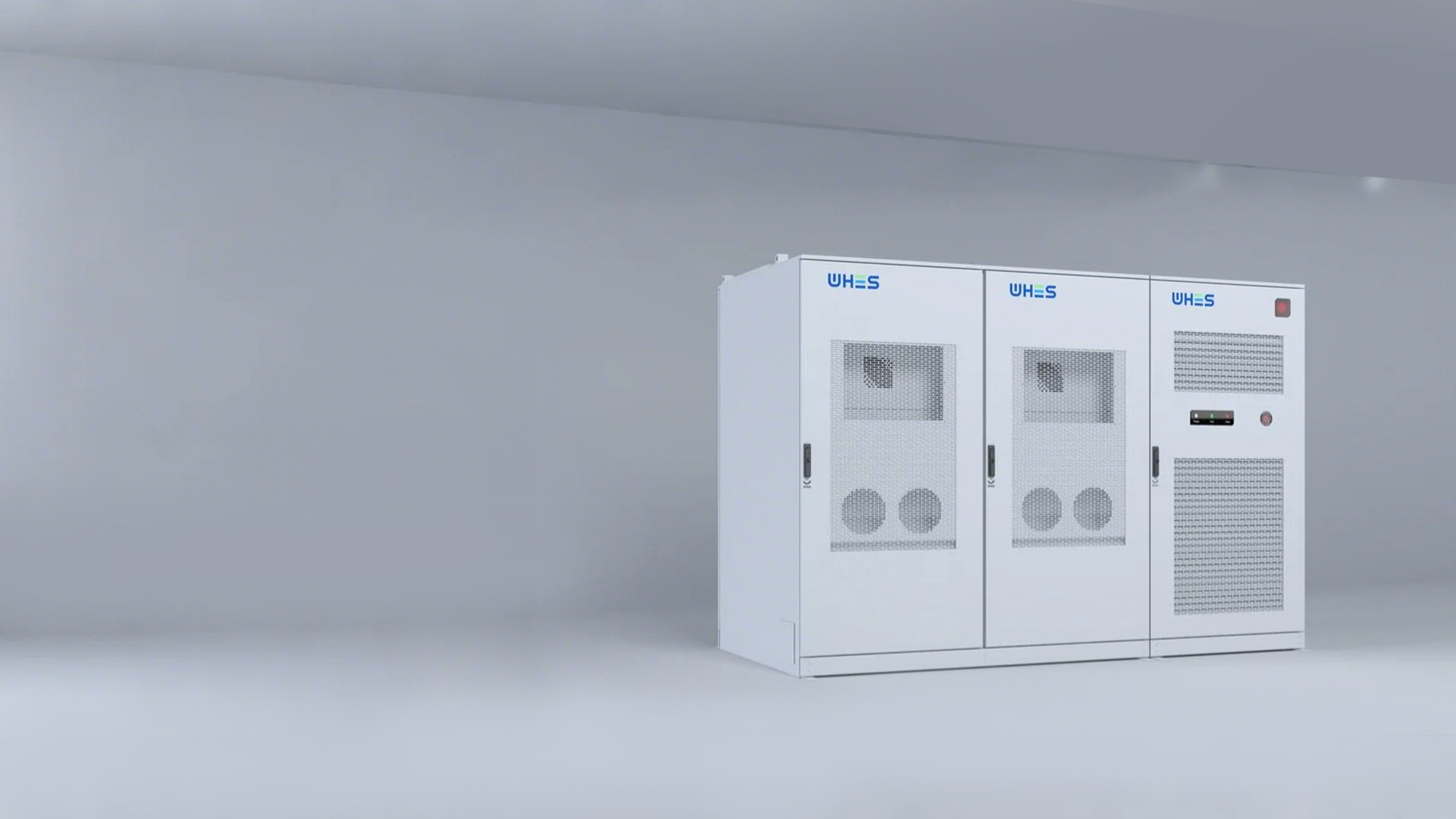
Think about a grid where tiny, fast disturbances—call them photonic-level blips in control signals—no longer cascade into rolling outages. That future’s closer than you reckon when you pair Lithium Iron Phosphate (LFP) chemistry with factory-direct, high-voltage lithium-ion packs and smart deployments like commercial energy storage. This piece looks forward: what the tech changes, why it matters to operators and integrators, and how a deliberate spec can turn speculation into steady power delivery. I’ll keep it practical — keen on outcomes, not buzzwords.
Why LFP is the sensible backbone for stability
LFP cells bring inherent thermal stability and a lower propensity for thermal runaway compared with some other chemistries — that’s a big deal when you’re stacking many kilowatt-hours in a high-voltage string. LFP’s cycle life is solid too, so packs age predictably, which helps grid operators model degradation and reserve margins. The chemistry’s flatter voltage curve also makes state-of-charge (SoC) estimation simpler, so automated controls can react faster without second-guessing cell behaviour. In short: the battery chemistry reduces one class of uncertainty that otherwise amplifies control noise into outages.
What factory-direct, high-voltage packs actually change on the ground
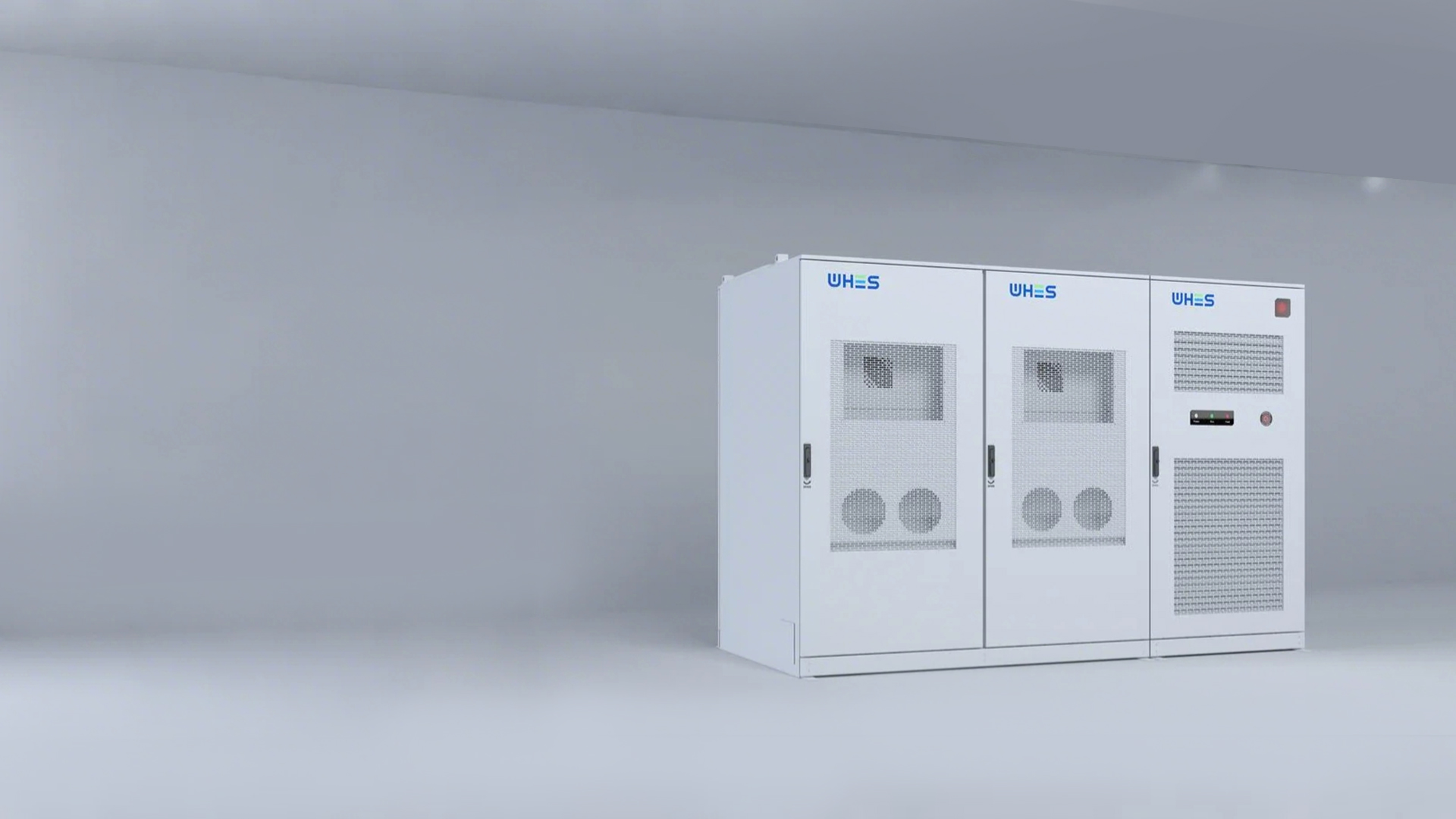
Buying packs factory-direct tightens quality control and reduces variability between modules. That improves consistency in cell balancing and lowers the chance of module mismatch — both critical when you run packs at higher string voltages to cut current and line losses. A well-designed pack will include a factory-integrated battery management system (BMS) with standardised telemetry, making grid-friendly features (fast droop response, frequency support) repeatable across deployments. You’ll also see fewer surprises at commissioning — which saves time and cash when you scale fast.
Distributed modular ESS dampen disturbances — and how to deploy them
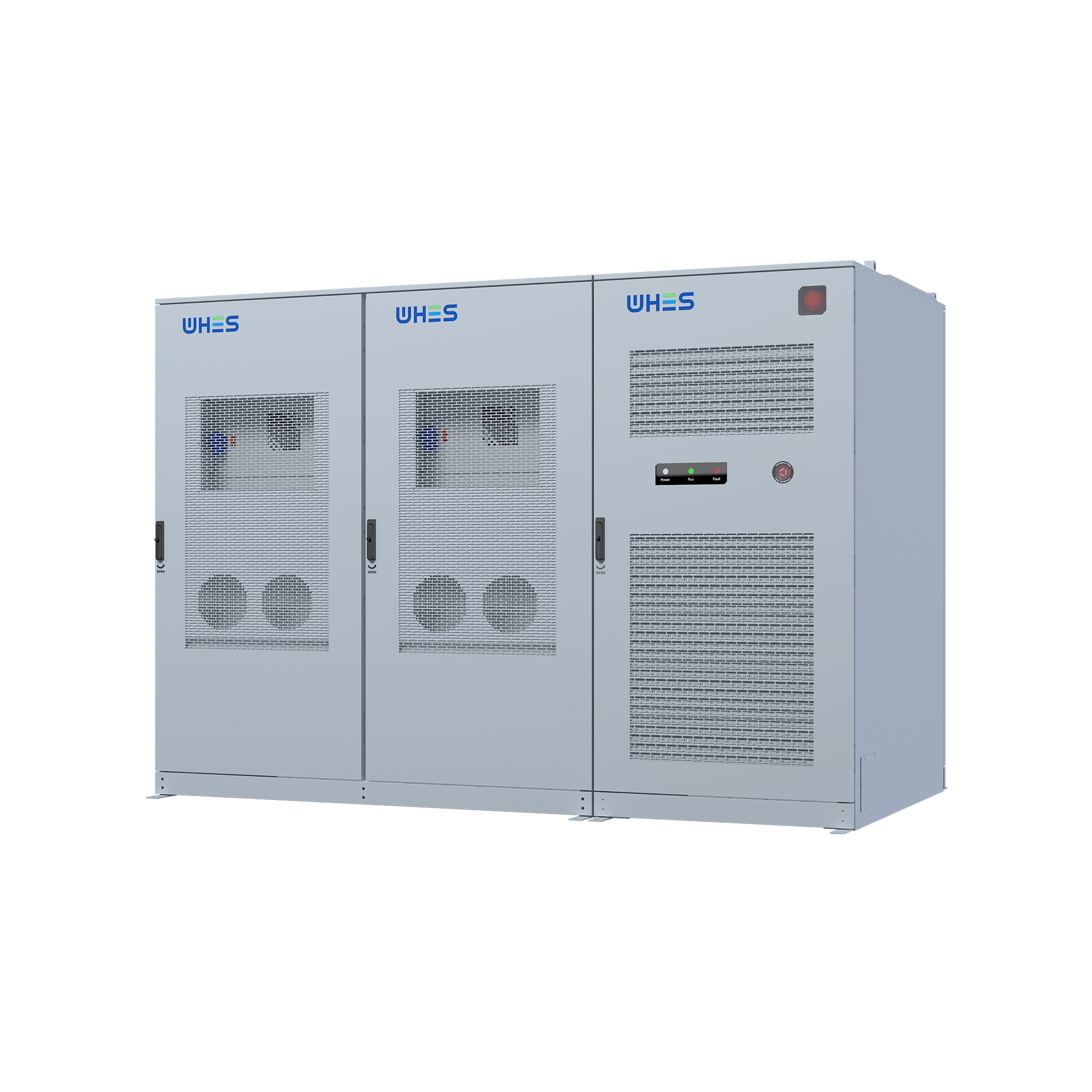
Wide deployment of modular ESS changes the dynamics. Instead of a few giant batteries doing all the heavy lifting, many local systems react close to the disturbance source, providing rapid voltage support and smoothing control signals. That distributed approach helps stop small control errors from synchronising across regions — the type of thing that led to trouble during the Texas 2021 winter event, when generation and demand mismatches cascaded across the grid. Local SoC visibility and standardised BMS messaging mean controllers can island or share load quickly — often faster than centralised dispatch can react.
Common spec mistakes and how to dodge them
Plenty of teams get burned by optimistic specs. Here’s the short list of what to watch for — and how to fix it:
- Overlooking thermal paths: don’t assume passive cooling will cut it at high C-rate peaks; specify thermal management and verify with tests.
- Ignoring BMS integration: a standalone BMS that won’t talk properly to grid control systems is a deal-breaker — insist on open telemetry standards and test them early.
- Tooling variability: buying from middlemen can mask cell lot differences — factory-direct reduces variance and simplifies warranties.
- Skimping on acceptance tests: insist on commissioning runs with realistic charge/discharge profiles and your actual control logic.
One more thing — don’t forget human factors. Training the ops crew on pack-specific quirks prevents simple mistakes from becoming system events.
Three golden evaluation metrics when choosing tech
When you’re sizing and selecting systems, rate each option against these three metrics:
- Safety & thermal performance — measured by documented thermal runaway resistance, verified thermal modelling, and real-world test reports.
- Control fidelity & observability — quality of BMS, SoC accuracy, and standardised telemetry (latency and granularity) so grid controllers get usable data fast.
- Lifecycle economics & quality assurance — realistic cycle life figures, factory QA traceability, and the cost of ownership including replacement schedules and warranty terms.
If those boxes are ticked, you’re far more likely to get a system that truly prevents small disturbances from becoming big problems. In practice, that’s the value WHES brings to large-scale rollouts — proven pack-level design, tight factory QA and modular designs that talk the same language as grid controls. WHES ties those threads together so deployments behave predictably and scale without drama.
Three quick takeaways: prioritise LFP for inherent stability, insist on factory-direct packs with a robust BMS, and favour distributed modular ESS for rapid, local damping of control noise. Worth keeping an eye on.
