

Comparative lead — the problem at hand
Two climates, one system: blistering Sahara-like afternoons and the sub-zero nights of McMurdo Station expose a wholesale portable solar power station to extremes that demand different answers. A well-tuned pv inverter hybrid can bridge solar input and battery storage, but the real fight is inside the battery pack — the battery management system (BMS). This piece compares practical BMS strategies and hardware choices for units meant to survive both sandstorms and frostbite.

What breaks first — batteries, not panels
Batteries fail more often than inverters when exposed to extremes. High heat accelerates capacity fade and increases the risk of thermal runaway; deep cold lowers usable capacity and slows charge acceptance. Industry terms matter: state-of-charge (SoC) windows must be tightened in heat, and depth-of-discharge (DoD) limits may need raising in cold to avoid permanent damage. Choosing a BMS without thermal and SoC intelligence is courting expensive replacements.
Three BMS strategies compared
Compare three typical approaches found in wholesale portable setups. First, passive BMS: low cost, basic cell balancing, limited temperature support. Second, thermal-aware BMS: adds active cooling/heating thresholds and adaptive SoC limits. Third, predictive BMS: uses algorithms to forecast aging and adjusts charge rates dynamically. The gap between passive and predictive is large — not just in lifespan but in usable energy under extreme conditions.
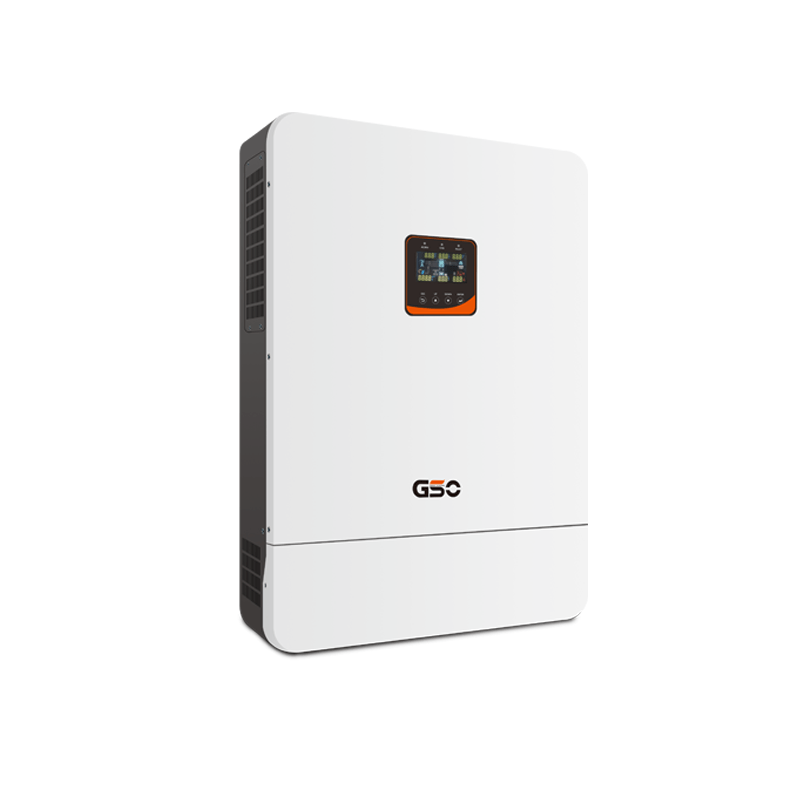
Inverter and charge coordination — why it matters
In practice, the inverter and charge controller must respect the BMS. If a pv inverter hybrid pushes a high current into a cold battery, cells can suffer lithium plating; in heat, the same current can trigger safety cutoffs. A coordinated control layer prevents that by throttling charge/discharge based on BMS telemetry — SoC, cell temperatures, and C-rate limits. That coordination is the difference between a field repair and a full system rewrite.
Real-world anchor: lessons from extremes
Antarctic bases such as McMurdo and desert microgrids in North Africa report the same lesson: environmental stressors dictate system architecture. Temperatures in Antarctica routinely drop below -60°C and Sahara highs soar past 50°C; both require preconditioning and conservative SoC windows. Operators on-site choose units with robust BMS and thorough temperature management — and they back those choices with measured cycle-life data.
Common mistakes and practical fixes
Installers often omit active thermal management or accept default SoC limits — an error that shortens life and reduces reliability. Fixes are concrete: add phase-change insulation, integrate small heater strips with the BMS for cold starts, and configure the BMS to reduce charge current above a defined cell temperature. Use cell-balancing intervals that shift with ambient conditions rather than fixed schedules — that simple tweak extends usable capacity noticeably.
Comparing vendors — where eco-worthy hybrid inverter fits
When you assess suppliers, look beyond peak efficiency specs. Evaluate BMS features: adaptive SoC windows, remote telemetry, and firmware updates. Some systems pair well with an eco-worthy hybrid inverter that supports dynamic charge control. That pairing simplifies field management and reduces manual intervention — a clear advantage when climates push equipment to the limits.
Summary of the comparison
Heat and cold force trade-offs: you can optimize for one but not both without intelligent controls. Predictive BMS plus coordinated inverter control yields the best balance of longevity and usable energy. Field operators who invest in telemetry and flexible SoC rules recover that cost in reduced downtime and fewer pack swaps.
Advisory close — three golden evaluation metrics
1) Operating temperature range and preconditioning capability — confirm the BMS supports cell heating/cooling and reports accurate cell temperatures. 2) Adaptive SoC and current limits — ensure firmware can tighten or relax charge windows with ambient change. 3) Interoperability with inverter/charge systems — verify the pv inverter hybrid and eco-worthy hybrid inverter protocols for dynamic charge control and remote diagnostics. These three checks separate resilient systems from fragile ones.
Field-tested, pragmatic, and tuned to harsh climates — that’s how you decide. gsopower. —
