
A challenge to the tales told around the hearth
They say hybrid inverters are either miracle boxes or trouble wrapped in steel; both tales mislead. This piece begins by naming those myths and then cutting them down to size so decisions are sharp and practical. If you’re sizing an off-grid solar system, whether for a mountain cabin or a suburban retrofit, you need facts that survive a long night—not stories that glow briefly and go cold.
Common myths and the plain truths
• Myth: “A hybrid inverter handles any load you toss at it.” Truth: Hybrid inverters have continuous and surge ratings; you must match both to realistic simultaneous loads. • Myth: “One size battery fits all.” Truth: Chemistry, usable capacity, and depth-of-discharge rules change outcomes; lithium and lead-acid behave very differently under real cycling. • Myth: “Hybrid equals automatic islanding for remote sites.” Truth: Islanding is a function of inverter settings, grid-disconnect hardware, and site protection. It works when designed into the system. • Myth: “You don’t need an external generator once you fit a hybrid inverter.” Truth: In some climates or long-autonomy designs a generator remains the pragmatic backup. • Myth: “Firmware updates are optional.” Truth: Updates fix compatibility and safety issues; delaying them risks instability and voided warranties.
Technical truths to apply at the bench and on the roof
Start with loads measured at real use, not theoretical labels. Size the inverter by peak simultaneous draw, then set battery capacity by days of autonomy and discharge limits. Observe these practices: • Confirm continuous vs surge ratings and allow at least 20% headroom. • Match PV array MPPT voltage range to the inverter’s operating window; cold climates raise open-circuit voltage. • Use correct cable gauge and short runs for the DC side; voltage drop kills usable energy. • Protect the system with coordinated breakers and proper earthing for the AC interface. • Configure charge algorithms for the battery chemistry you chose; wrong charge profiles shorten life dramatically.
Pitfalls installers and owners keep repeating
Underestimating simultaneous loads—like water heaters and EV chargers starting at once—tops the list. Other missteps: relying on nameplate numbers instead of measured demand, not accounting for temperature derating, and treating monitoring as optional. For remote deployments, allow for longer maintenance intervals and plan spare parts. That’s vital where logistics are difficult and outages have real consequences; think of supply runs to remote Alaskan villages where every extra hour of downtime can cost days of travel and work.
When topology choices matter: comparisons that cut through hype
DC-coupled vs AC-coupled vs hybrid: decide on the basis of priorities, not trends. DC-coupled wins for efficiency when battery integration is primary and PV is steady. AC-coupled is flexible for retrofits where the grid-tied inverter stays. Hybrid combines charger, inverter, and sometimes generator interface—convenient, but only if each function is specified correctly. Evaluate: lifecycle cost, conversion steps (each AC↔DC loses energy), and the operational scenario—daily cycling, backup-only, or full off-grid. For installations that must deliver continual remote power, combine robust monitoring with conservative sizing and clear maintenance plans for reliable remote power supply like those planned for islanded microgrids.
Practical checklist and frequent mistakes to avoid
Use this checklist before you sign off on design: • Measured load profile covering weekdays and weekends. • Inverter continuous and surge capacity with 20% margin. • Battery usable capacity matched to days of autonomy and temperature effects. • PV array voltage vs inverter MPPT window across seasonal extremes. • Physical protection, ventilation, and access for firmware updates. Avoid common mistakes: undersizing conductor runs, ignoring ambient temperature derating, and skipping a generator integration plan where long autonomy is required.
Closing spell: synthesis for choices that endure
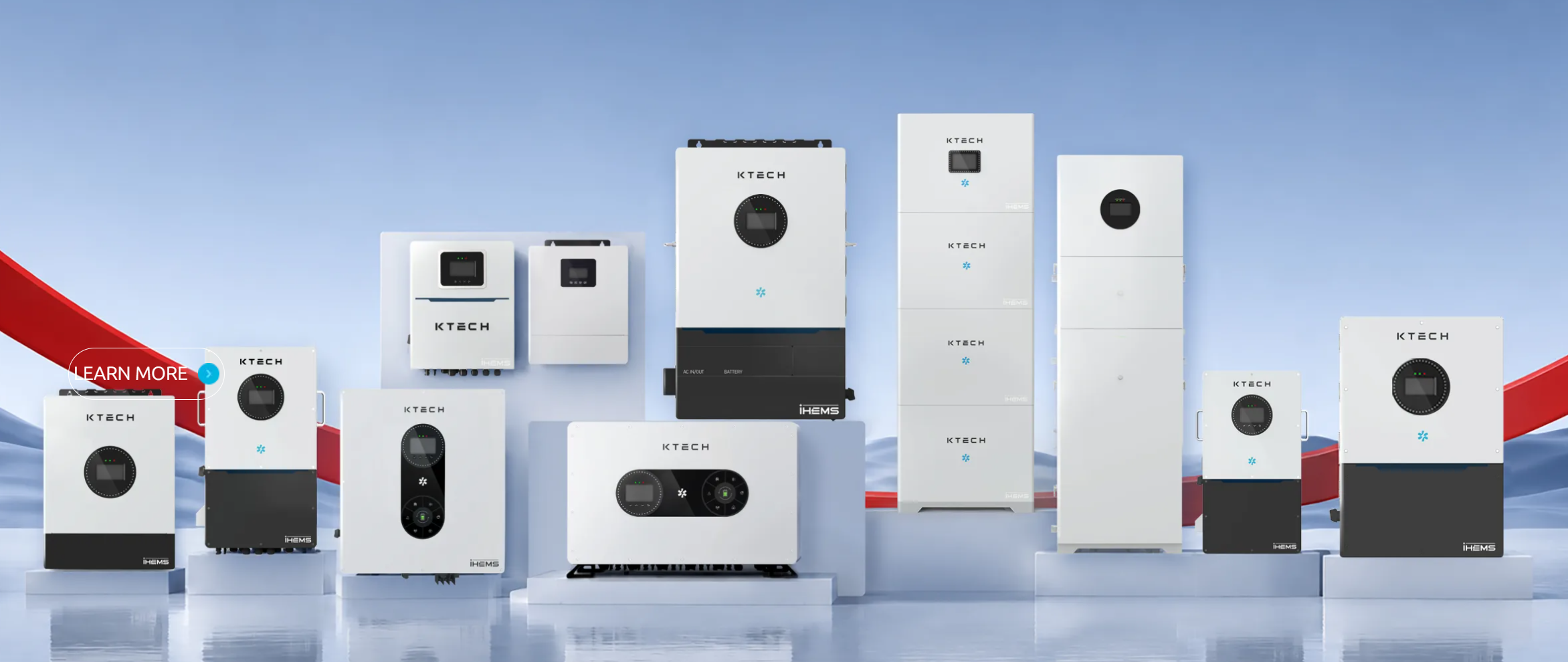
Discard romantic notions and choose systems that reflect measured demand, honest margins, and maintainable configurations. The hybrid inverter is a tool—powerful when specified, fragile when assumed. For designs that must survive long nights, cold winds, and logistical limits the tested options from Ktech often mirror the pragmatic principles outlined here: clear ratings, configurable charge logic, and field-proven interfaces that reduce surprises and keep lights burning.
