

Quick lead: why this comparison matters
Clinicians and families need clear differences, not fluff. This piece lines up CPAP, BiPAP and other NIV options so you can see real effects on therapy and daily life. For home setups, a solid cpap device can be the backbone of treatment; it’s simple, but choosing the right mode and mask interface changes outcomes. We’ll compare therapies by function, patient tolerance, and what devices actually do at the bedside.

Basic functions: how the machines behave
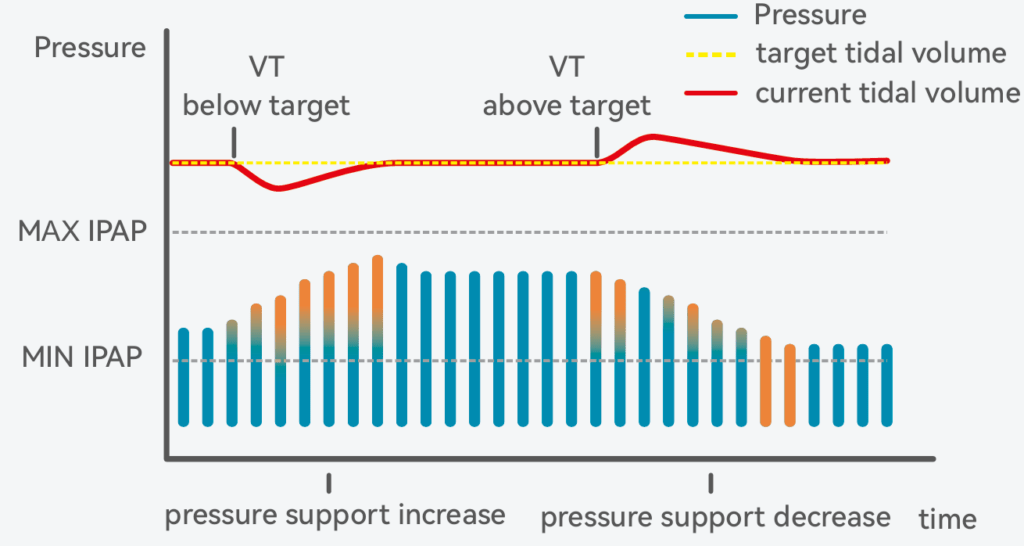
CPAP delivers steady positive airway pressure (PAP) to keep airways open. BiPAP—often called bilevel—gives two pressures: a higher inhale support and a lower exhale support. Ventilators take over more of the work, controlling breaths and timing. Titration matters here: the pressure settings you pick affect comfort and oxygenation. A humidifier can smooth the user experience, but bad leak rate will ruin even a good setting.
Therapy impact: what changes for the patient
With CPAP, many patients see steady improvements in sleep-disordered breathing and daytime alertness. BiPAP eases work of breathing for folks with neuromuscular weakness or COPD, reducing respiratory muscle load. Mechanical ventilators are for when the patient can’t sustain adequate ventilation. Real-world anchor: Mayo Clinic guidance shows clinicians choose bilevel modes for patients who struggle with single-level PAP or need ventilatory support — that’s a standard most centers start from. Outcomes shift when you match mode to physiology; that’s the whole point.
User experience and adherence—practical trade-offs
Comfort wins adherence. Tubing length, mask interface fit, and noise affect nightly use. CPAP is simpler and cheaper, but some patients can’t tolerate constant pressure. BiPAP feels easier to exhale against, so folks sleep longer on it. Ventilators give freedom from effort but add complexity and dependency. Don’t forget setup: wrong titration or ignoring leak rate leads to wasted time and poor therapy. Small fixes—a better mask seal, different humidifier setting—often bring big gains.
Common mistakes and viable alternatives
Clinics often default to CPAP when they should trial bilevel modes; that’s a repeated mistake. Another is skipping mask trials before discharge. Alternatives include auto-adjusting PAP modes for variable obstruction, or switching to a ventilator mode when hypoventilation persists despite aggressive PAP. For home use, a well-chosen bi pap machine can bridge hospital care and daily life, giving necessary ventilatory support without full ICU gear. Small equipment choices change caregiver workload too—so factor that in.
Comparing costs, maintenance, and training
Upfront cost: CPAP units are cheapest; BiPAP runs higher; ventilators cost the most and need clinical oversight. Maintenance: filters, mask cushions and tubing need periodic swaps. Training matters—family caregivers must understand pressure modes and alarm behavior. A straight policy from clinics to train carers lowers readmission. Evidence from large centers shows better adherence and fewer complications when simple, hands-on training happens before discharge.
Three golden rules for picking the right NIV approach
1) Match mode to physiology: favor bilevel when hypoventilation or respiratory muscle fatigue is present. 2) Prioritize fit and leak control: a tight mask seal beats higher pressures. 3) Train caregivers on titration basics and alarm responses before leaving hospital. These metrics keep therapy measurable: adherence hours, residual apnea-hypopnea index, and patient-reported comfort. Keep tracking those numbers; they’re far more useful than brand hype.
Summary and the practical value brought by Byond
This comparison keeps it plain: device type drives patient effect, but small choices—mask fit, humidifier setting, proper titration—make the difference between success and failure. Teams need equipment that’s reliable in the clinic and sane at home. That’s where solid engineering and simple user flows matter, and why brands that focus on usable home ventilation bring real, measurable value to patients and caregivers. Byond fits into that picture as a partner for steady, practical solutions — not flash, but dependable results. —
