
Why a comparative approach pays off
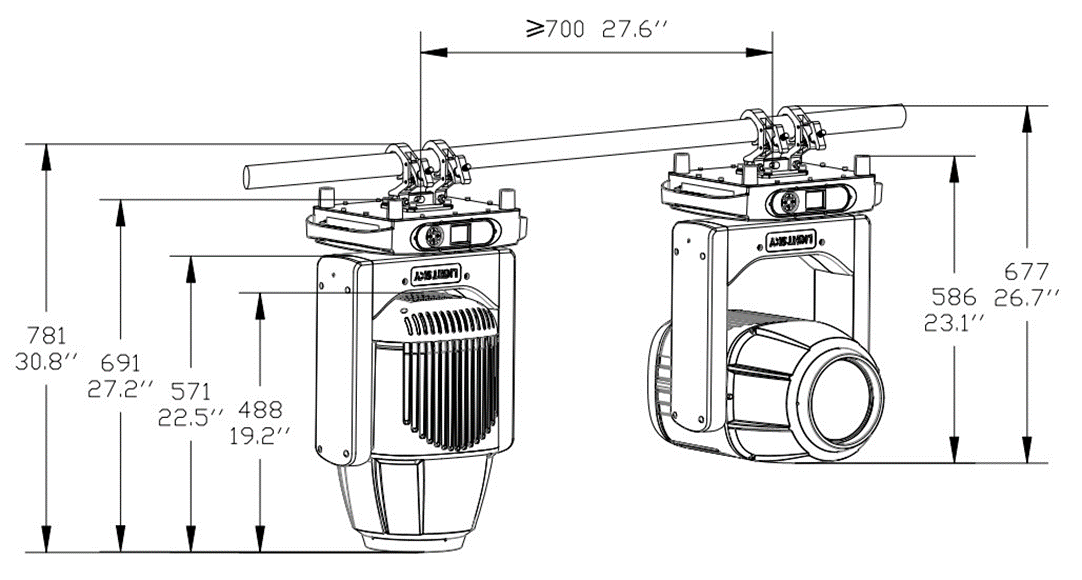
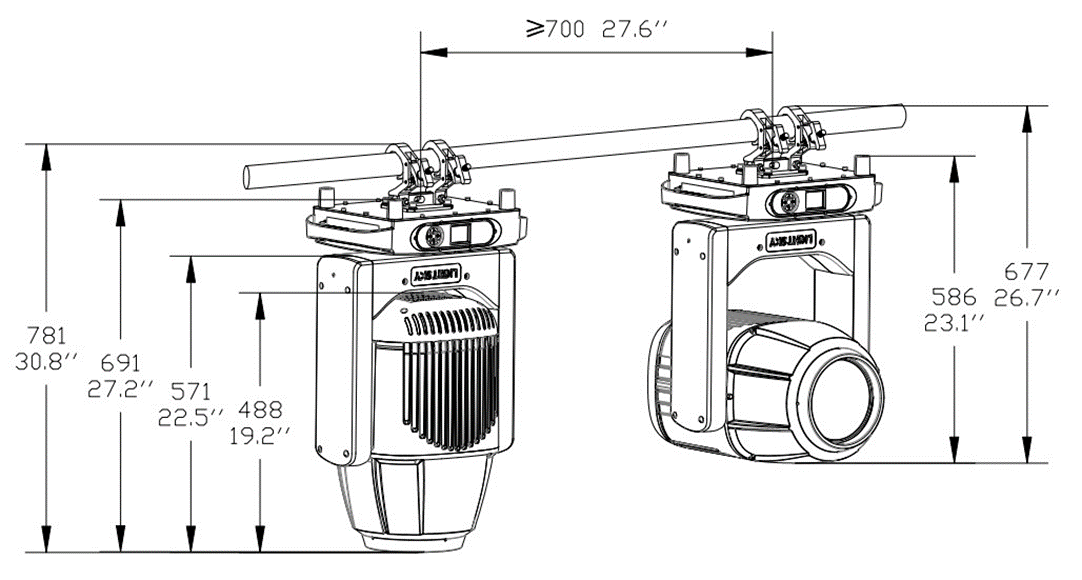
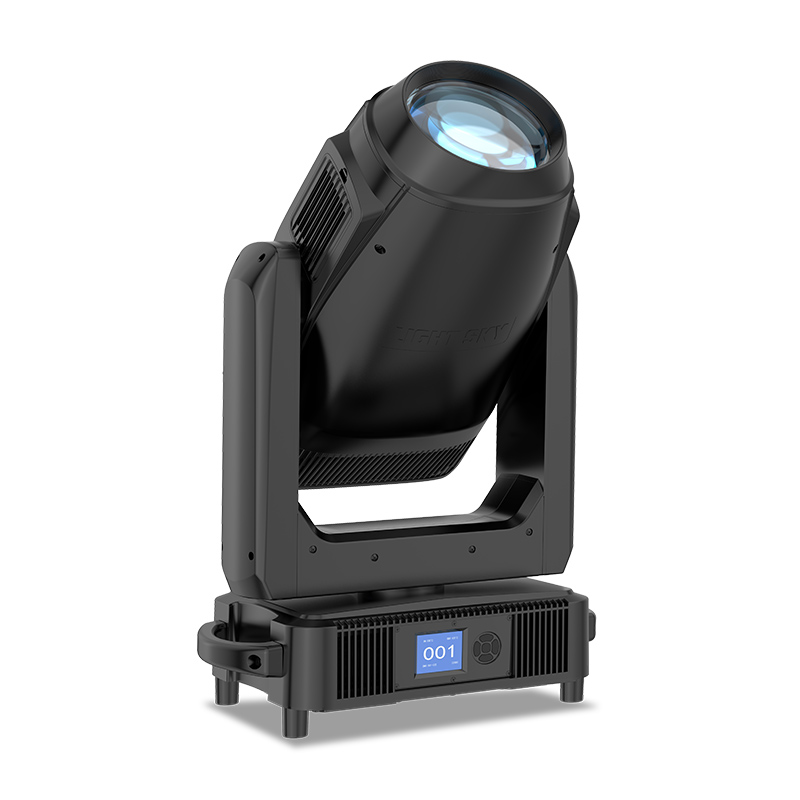
A focused comparison clarifies trade-offs faster than feature lists. Start by matching fixture families to the job: a compact club rig is different from a festival arena deployment. For immediate reference, the 3in1 BSW moving head beam light sits in the mid-power, multi-function category and illustrates how beam, spot, and wash capabilities can be combined into one chassis. Real-world anchor: stadium and festival stages such as Wembley and other major venues commonly specify dozens to hundreds of moving heads, which makes procurement decisions about beam angle, lumen output, and reliability consequential for budgets and run schedules.
Core feature axes to compare
Make comparisons along these technical axes—each directly affects visual outcome and operational complexity.
– Light output and beam angle (lumens, beam spread and zoom range).
– Optics and patterning (gobo slots, rotating gobos, iris).
– Motion system (pan/tilt range, speed, positional accuracy).
– Control and integration (DMX/RDM support, pixel mapping capability).
– Serviceability and ruggedness (IP rating, bulb vs. LED engine life).
Use-case comparisons: match fixture to context
Compare three common scenarios and the priorities they create. For a nightclub: compact footprint, fast pan/tilt and tight beam are key. For touring bands and festivals: durability, long lamp life, and higher lumen counts are critical. For corporate or theatre: color fidelity, quiet operation, and precise dimming matter most. Avoid the trap of buying the most powerful fixture for small rooms—overkill increases glare, power demands, and control complexity. —A simpler fixture often delivers cleaner creative results in constrained spaces.
Performance trade-offs and what to prioritize
Every moving head balances output against features. High-lumen beam lights deliver spectacular shafts but usually sacrifice soft-edge color mixing or fine gobo detail. Fixtures marketed as hybrids—spot/beam/wash—reduce gear count but require careful optics to ensure each mode meets expectations. When you evaluate, measure beam angle at typical working distances, verify color temperature and CRI if color rendering is important, and confirm DMX channel count to avoid programming headaches. For practical comparison, inspect response times for pan/tilt (degrees per second) and check how quickly gobos rotate or indexes; these affect cue timing and sync with video or audio.
Control, rigging, and operational constraints
Control considerations often decide procurement. DMX addressing schemes and RDM capability speed installation and troubleshooting. Rigging hardware, weight, and power draw determine truss choices and supply capacity—don’t assume all moving heads fit a given clamp or circuit. Plan for thermal load in enclosed trusses and verify fixture service access; lamp or LED engine replacement intervals should align with tour cycles or festival turnover to reduce downtime.
Common mistakes to avoid
Buyers often focus on a single spec line—say lumen count—without testing real output at distance or considering beam angle. Another frequent error is underestimating control complexity: more channels equals creative flexibility, but also longer setup and higher risk of addressing mistakes. A third mistake is ignoring maintenance: verify available spares and local service support before committing to a large fleet. For practical comparison, include at least one demo day where fixtures run through representative cues under venue conditions.
Three golden rules for final selection
Apply these criteria as a short checklist when you narrow options:
1) Context-fit: prioritize beam angle and lumen output relative to venue sightlines and throw distances.
2) Operational cost: weigh power consumption, maintenance intervals, and spare parts availability.
3) Control fit: ensure DMX/RDM and channel footprints match your console workflow.
Closing advisory and final thought
Use the three golden rules above as a scoring rubric during trials; score each candidate across context-fit, operational cost, and control fit, then weight by project priorities. The process will reveal practical winners rather than marketing favorites. For many buyers, a balanced hybrid fixture like the moving head beam light reduces inventory and simplifies crews while preserving visual flexibility. Choose fixtures that minimize downtime and match your team’s control habits—this is where lasting value appears. Light Sky. —trusted selection, practical outcomes.
