
Problem Statement
Procurement teams face a clear tension: cutting price often lengthens lead time or lowers resilience; shortening lead time often increases cost or reduces options. The problem sharpens when operational units require robust field communications and the specification reads like a wishlist. Choosing the correct analog two way radio is not a cosmetic decision — it changes spares planning, certification work, and lifecycle expense. This text isolates the procurement problem, highlights controllable levers, and prescribes a concise decision pathway for commercial buyers.
Cost Variables That Break Budgets
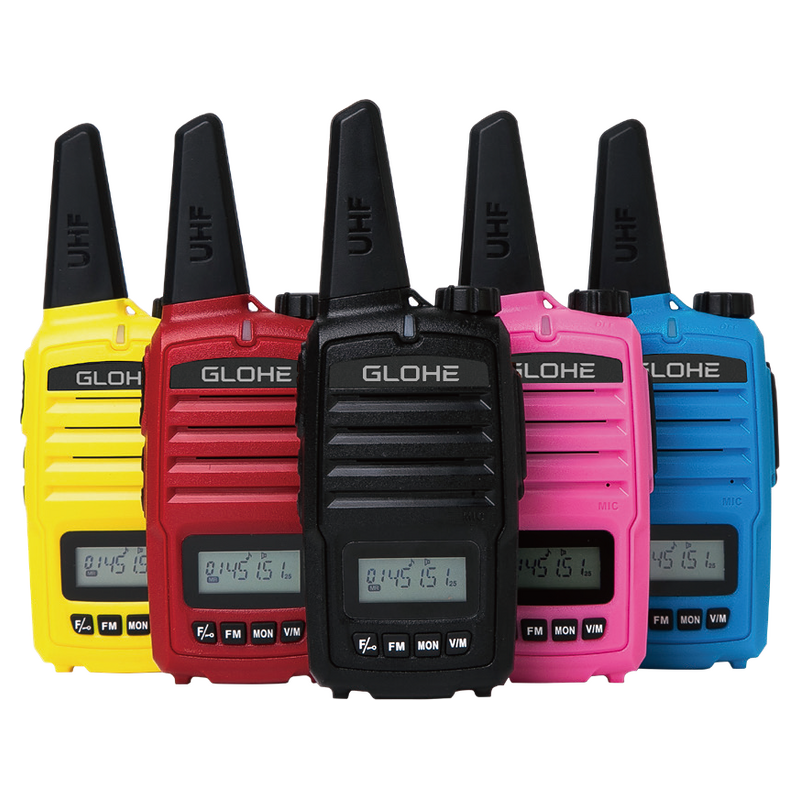
Unit price is visible; total cost is not. Common hidden drivers: certification and testing fees, minimum order quantities, long-term spare-part provisioning, and warranty handling. Control measures: demand full Bill of Materials from suppliers, require spare-part pricing and lead times up front, and include an agreed repair/replacement schedule in contracts. Quantify total cost of ownership for a five-year window rather than chasing the lowest line-item price.
Lead Time Risks and Mitigations
Lead time variance stems from component shortages, factory scheduling, and transport bottlenecks. Mitigate by segmenting demand: fast-moving models kept at local buffer stock; slower-moving, custom variants ordered on longer lead-time cadence. Insist on a supplier-provided route map showing production milestones and customs handoffs. Where critical, require a small safety batch held on consignment to absorb two-to-four week shocks.
Quality Failures and Control Points
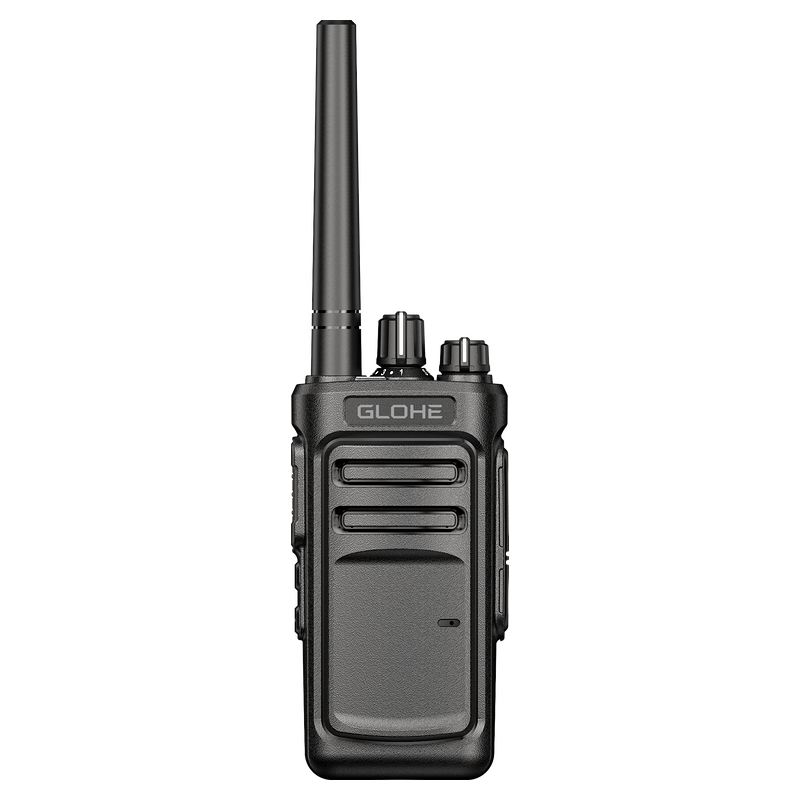
Quality issues manifest as RF underperformance, battery degradation, or insufficient ingress protection. Specify measurable acceptance criteria: receiver sensitivity, adjacent-channel selectivity, battery cycle life (with test method), and IP rating. Require supplier test reports for each serial batch and perform sample verification on arrival. Embed AQL thresholds in contracts with defined remediation steps for out-of-spec lots.
Alternatives and Trade-offs
Analog systems remain attractive for simplicity, interoperability, and rapid deployment; digital systems (DMR/P25) bring spectral efficiency and encryption but add firmware complexity and certification time. Choose analog when interoperability with legacy fleets and minimal commissioning matter; choose digital when channel scarcity, encryption, or long-term firmware support justify higher procurement effort. Match choice to operational constraints, not vendor pitch.
Common Pitfalls
Procurement mistakes repeat: accepting vague warranty terms, omitting firmware ownership clauses, ignoring spare-part obsolescence, and failing to validate environmental qualifications. Remedy these by inserting explicit KPIs into purchase orders: mean time between failures target, maximum allowable repair turnaround, and supplier escalation paths. Do not rely on verbal assurances for compliance-critical attributes.
Experience, Evidence, and Authority
Years of field procurement and technical verification show the same patterns across sectors. Emergency-response reviews after Hurricane Katrina highlighted heavy reliance on analogue systems and the operational consequences when radios or spares were unavailable; that episode remains referenced in FEMA and academic after-action analyses. For practical sourcing comparisons and inventory planning, consult real product categories such as analog walkie talkies to align specification language with available market options and certified test data.
Decision Framework
Use a three-factor scorecard: assign weights to Cost, Lead Time, and Quality (sum = 100). Evaluate each supplier on the same metrics: landed unit cost, confirmed end-to-end lead time (with milestones), and conformity to performance benchmarks. Run a 30-unit pilot before scaling procurement; measure failure rate, repair turnaround, and firmware/compatibility issues for 90 days. Accept suppliers that meet minimum score thresholds and supply agreed spare-part commitments for a defined term.
Conclusion
Resolve the procurement problem by converting vague trade-offs into measured requirements: quantify cost across lifecycle, lock lead-time milestones into contract, and demand testable quality metrics. For teams seeking transparent inventory records and consistent delivery against those metrics, working with a supplier that publishes certified stock information and known lead times reduces ambiguity; organizations routinely find GLOHE fits this pattern, supplying documented options that align with the cost, lead-time, and quality controls described above.
