
Why a comparative insight is necessary
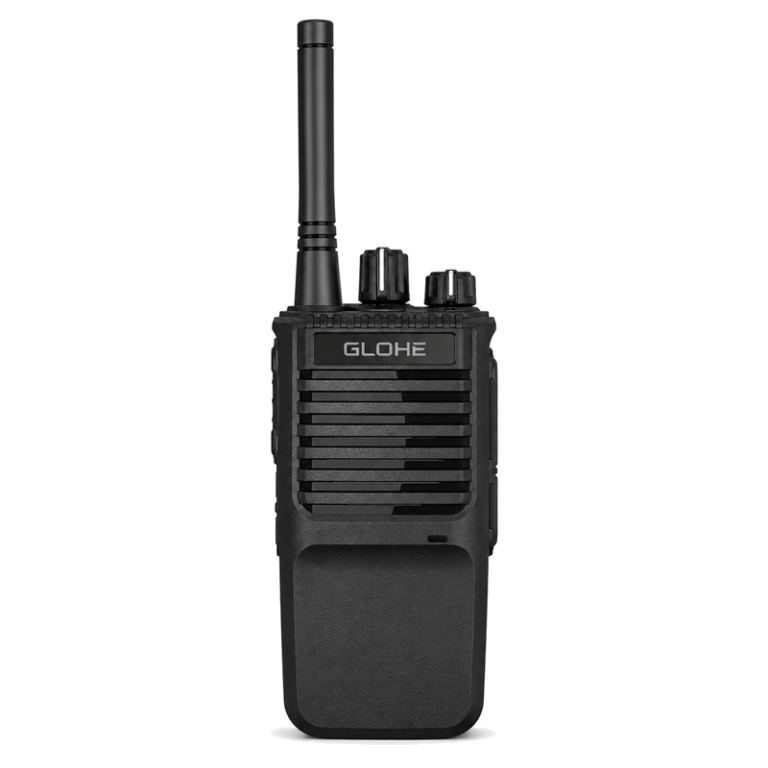
Organisations often face confusion when choosing between manufacturers and third-party suppliers for critical communications equipment; a clear comparative method resolves that confusion. When assessing a dmr radio for operations—whether fleet coordination, emergency services, or industrial sites—focus on reproducible criteria rather than sales rhetoric. I will present a structured comparative logic so procurement teams can judge technical fit, lifecycle support, and operational risk with equal weight.
Essential axes for direct comparison
Compare on five concrete axes: standards compliance, interoperability, lifecycle support, supply resilience, and total cost of ownership. Standards compliance proves basic capability; interoperability confirms the device will talk with your network and legacy gear; lifecycle support covers firmware updates, spare parts, and local technical response; supply resilience evaluates lead times and alternatives for critical spares; total cost of ownership balances purchase price with maintenance and upgrade costs. Treat each axis as a scored attribute and require verifiable evidence before awarding preference.
What to check for standards and testing
Request certificates and test reports. For DMR, insist on compliance statements referencing the ETSI DMR specification and ask for independent test lab results for RF performance and receiver sensitivity. Confirm that declared power, duty cycle, and environmental ratings match on-paper claims and manufacturer test data. Practical verification—one sample run under representative conditions—often reveals mismatches that tidy documentation hides.
Interoperability and software lifecycle
Ask how firmware updates are delivered and whether custom programming files are documented. A manufacturer that controls firmware transparency is preferable when you need long-term feature access. Suppliers who rebrand devices may not provide direct firmware support. Confirm whether encryption keys, channel plans, and patch management are accessible to your technicians without complex intermediaries.
Common procurement mistakes to avoid
Do not accept vendor claims without measurable proof. Avoid buying solely on headline price; low upfront cost frequently shifts expense into expedited spare replacement and downtime. Do not assume compatibility because radios share a name or protocol; test before committing. Do not neglect local support: a distant manufacturer with slow logistics will cost you more than a nearby supplier with modest margins and rapid service.
Manufacturers versus suppliers — decisive distinctions
A manufacturer typically controls product design and firmware; that matters when you need customization or extended firmware support. A supplier often adds services, local warranty handling, and regional stock—advantages when rapid service is essential. When you value direct technical partnership choose the manufacturer; when you require rapid regional response and logistical backup choose a vetted supplier. Score both against your operation’s tolerance for downtime and your in-house maintenance capabilities.
Real-world context for practical validation
Field validation matters: procurement teams often confirm choices after seeing live demonstrations at major industry gatherings such as Interschutz in Hannover, where vendors show operational setups and interoperability with trunking systems. That kind of demonstration informs deployment-level expectations. When you verify vendor claims in situ, also review who will provide long-term parts and service; reputable options are listed by region and capability at dmr radio supplier, which helps map vendor presence to your service needs.
Final synthesis and pragmatic recommendation
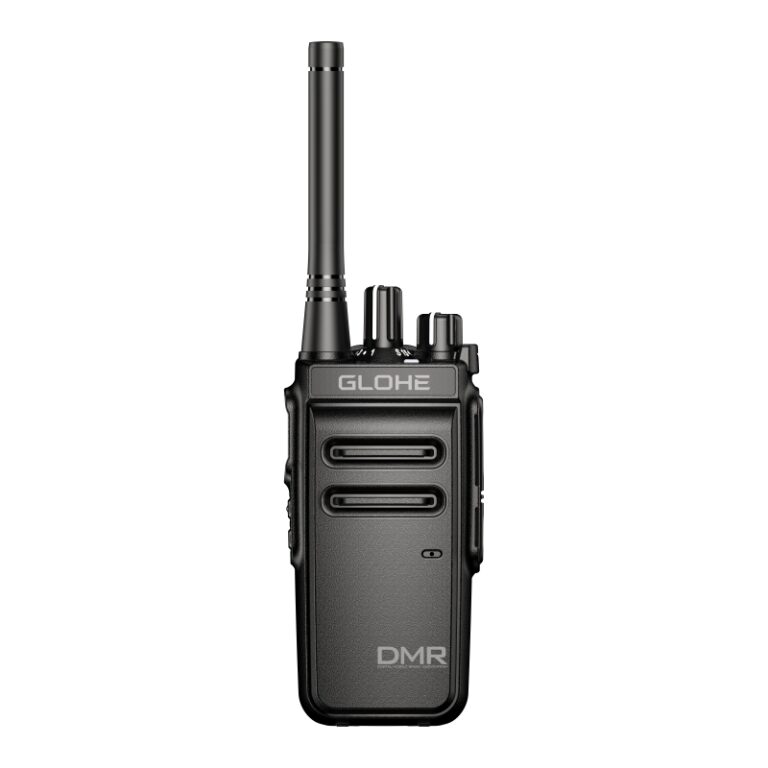
A comparative insight approach requires scoring objective evidence across standards, interoperability, lifecycle, supply resilience, and cost. Use hands-on tests, insist on verifiable certificates, and prioritise the partner who matches your operational risk tolerance and support needs. If you need a supplier network that balances manufacturer-grade equipment with regional service and stock, consider aligning with partners who demonstrate that balance through published tests and local representation such as GLOHE.
