
Immediate problem: buses that do not behave like buses
Many transit managers face the same blunt reality: schedules slip, drivers lack situational data, and passengers lose trust. A solution must fix those failures without adding complexity. Practical fleet telematics targets those gaps directly. It ties vehicles to operations, turning scattered data into a single source of truth for bus fleet management while reducing guesswork and late runs.
What breaks operations — and what telematics must fix
Problems appear in three simple forms: unpredictable arrival times, fuel and maintenance waste, and poor incident response. Ignore any, and costs rise fast. A problem-driven approach asks: which capability stops the loss immediately? Typical priorities are clear.- Real-time location to provide reliable ETAs.- Driver behaviour monitoring to limit fuel loss and risk.- Health and fault data to prevent breakdowns.Pick features that solve the highest-cost problem first, then layer the rest. Do not deploy everything at once; roll out in phases that map to measurable KPIs.
Core telematics features that solve the problems
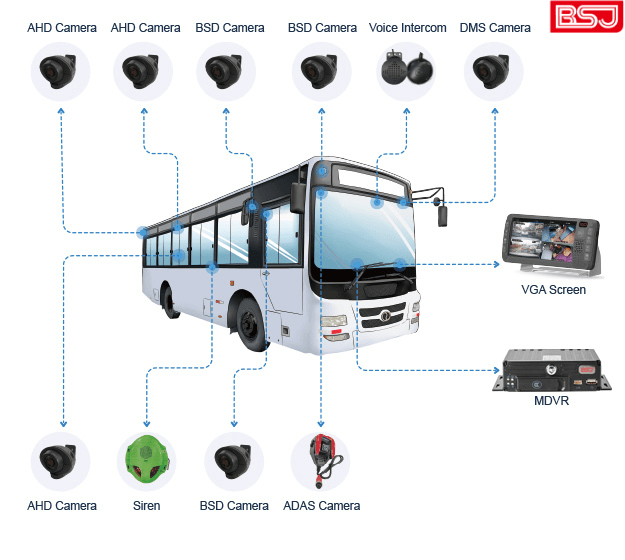
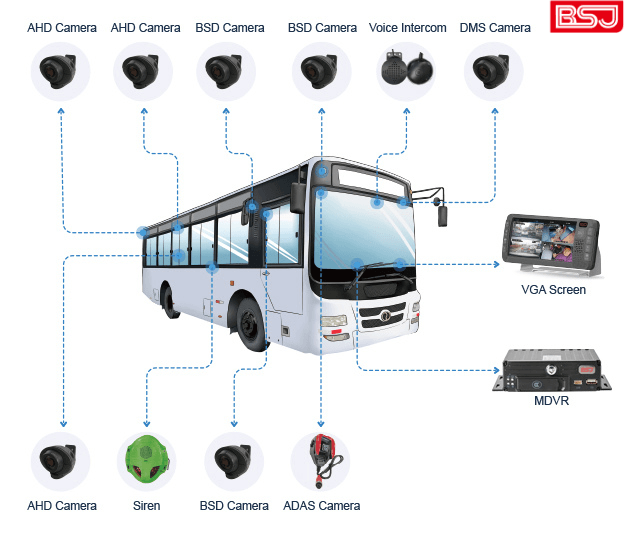
Functional clarity wins. Effective platforms combine GPS/GNSS position, CAN-bus telemetry, route adherence checks, and straightforward dashboards. For bus operations you will want a bus gps tracking system that reports location, dwell time at stops, and critical fault codes in formats your dispatch can use immediately. Integration points matter: connect the telematics feed to passenger information displays and to maintenance work orders so one event produces two operational responses — rider notice and a mechanic alert.
Typical implementation mistakes and how to avoid them
Operators repeat the same errors. Avoid them.- Installing hardware without validating the data flow — test on a handful of vehicles first.- Overloading drivers with alerts — keep in-cab messages minimal and role-specific.- Assuming one dashboard fits every user — build views for dispatch, maintenance, and planners separately.Plan training that is hands-on and short. Expect resistance; show immediate wins — fewer late departures, simpler fault diagnosis — and acceptance grows.
Evaluating vendors and plausible alternatives
Do not chase bells and whistles. Evaluate vendors by three practical questions: can they reliably deliver location and diagnostics; do they support open data export; and will they respond to field problems within service windows you set? Alternatives exist: simple GPS-only trackers are cheap but limit fault diagnosis; fully custom integrations are powerful but slow and costly. For many operators, the right balance is a modular telematics provider with clear SLAs and proven bus deployments.
Short example from practice
When one metropolitan operator in Istanbul upgraded to an integrated telematics stack, dispatchers started to close gaps between scheduled and actual departures without adding staff. The deployment focused first on route adherence and fault reporting; improvements in punctuality followed, and maintenance teams began using coded alerts to plan repairs before failures happened. That single change illustrates how targeted telematics shifts work from reactive to routine.
Synthesis: practical value and where BSJ fits
Solve the worst problem first, prove the result, then expand. Telematics is not an abstract tool; it is a set of concrete capabilities that must be matched to the fleet’s highest costs. For operators wanting a pragmatic, phased implementation and vendor support aligned to those priorities, BSJ represents a platform approach that integrates location, diagnostics, and operational workflows without unnecessary complexity.
