
Introduction — a question that sticks
Have you ever waited while a charger idled and wondered why so much promise still feels so slow? All-in-one charging station solutions sit at the heart of a small revolution in parking lots and depots — they bundle converters, controls, and cooling into one cabinet, and yet adoption still trips on practical snags. Recent surveys show fast-charging uptime varies widely; one study found public DC fast charging availability drops below 70% during peak hours in many regions (yes, really). So: what must change to make charging reliable, affordable, and easy for everyone?
I write this because I work with these systems and I see the patterns behind the numbers. I want to cut through the jargon—edge computing nodes and power converters are useful, but they are not the whole story—and surface what actually matters. Let’s move from why the idea is attractive to why it sometimes fails, and then toward what we can do about it.
Peeling Back the Problem: What breaks in practice
Why do high-power setups still feel fragile?
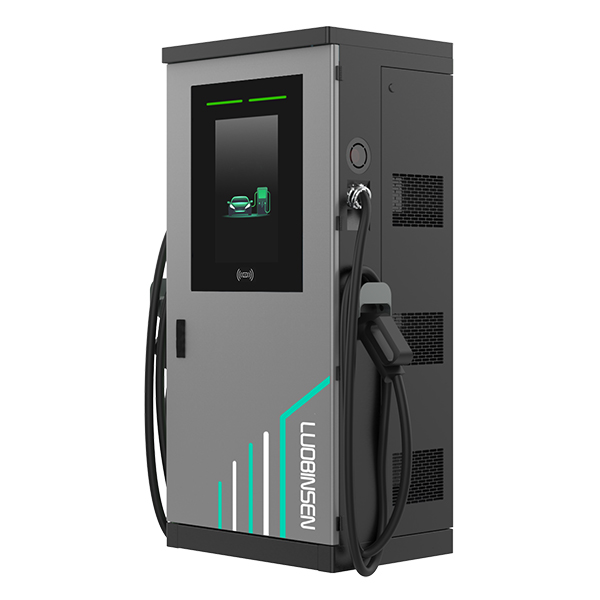
high power ev charger systems promise speed, but many installations show recurring problems: thermal stress, communication dropouts, and overloaded site infrastructure. I’ve seen sites where power converters run hot and protective trips become the daily routine. Those trips hide deeper flaws—poor thermal design, weak cooling loops, and control firmware that can’t handle transient loads. That’s not just theory; it’s what I deal with when diagnosing field failures.
Technically, these systems mix heavy power electronics with networking (edge computing nodes, BMS links) in a compact footprint. When one domain falters, the others suffer. For example, an inadequate battery management system handshake can force a charger to derate, turning a promised 200 kW session into a long, slow trickle. Look, it’s simpler than you think: component stress and system integration are where most projects stumble. We tend to blame supply or demand, but the real culprit is often the integration of subsystems without clear stress testing.
Forward-looking: principles and practical choices for resilient charging
What’s Next — practical directions that matter
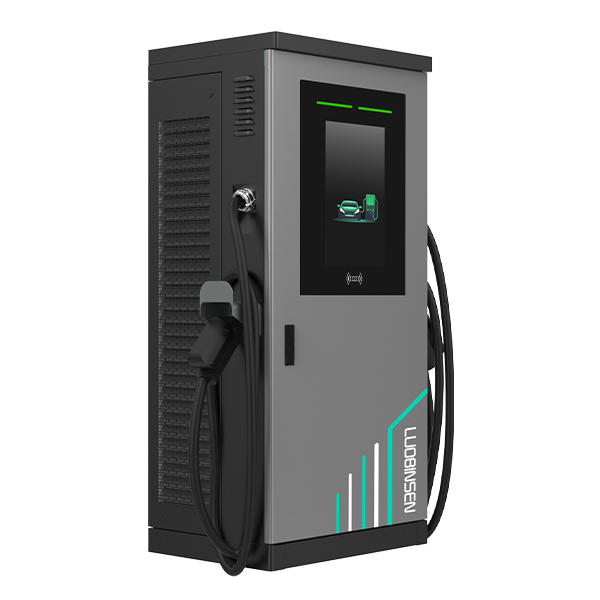
We need to move toward designs that treat the whole site as a system. That means smarter thermal management, modular power stages, and robust communications. New design principles push for redundant power paths, improved fault isolation, and graceful degradation so a station keeps serving some users rather than shutting down entirely. For example, a modular 200kw ev charger unit can shift load between modules when one module overheats, maintaining service while protecting hardware. I believe these hardware patterns—modularity, redundancy, and clear telemetry—will reduce unscheduled downtime dramatically.
In practice, this also requires stronger standards for interoperability. When a charger can talk clearly to local energy management and to grid operators, we avoid needless derates. That’s why I recommend tests that simulate rapid session starts, temperature swings, and network interruptions. Then measure results: uptime, thermal margin, and session continuity. — funny how that works, right? The future belongs to systems that are honest about limits and smart about recovery.
Closing: three practical metrics to choose better charging solutions
I’ll leave you with three concrete evaluation metrics I use when comparing stations: 1) Measured uptime under peak conditions (not vendor claims); 2) Thermal headroom—how much load the system can absorb before derating; 3) Recovery behavior—how fast the charger returns to full service after a fault. These metrics force suppliers to show real performance, not just specs on paper. They also guide site owners toward options that match real use patterns, not ideal lab runs. If you apply these, you cut risk and improve user experience quickly.
We’re making progress. I’ve seen smarter designs reduce downtime and customer complaints in months, not years. For those who want a reliable supply chain partner and tested hardware, consider examining providers with fielded modular solutions and clear telemetry. If you want to dig deeper, I’m happy to walk through case examples or help you draft test plans.
For more on integrated charging hardware and deployment options, check out Luobisnen.
