
User-first framing: why modular long-duration storage matters
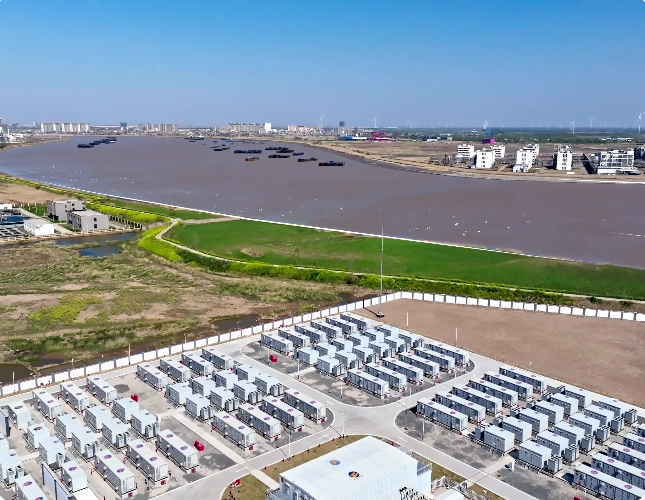
Homeowners want predictable backup and lower bills, not jargon. This guide walks a user-focused path from needs to sourcing, emphasizing modular solutions that scale with lifestyle and budgets. For reference on larger deployments that inform residential design, consider how utility projects operate — see utility scale battery storage — because grid strategies often trickle down to better home systems.
What “modular” and “long-duration” really mean for a household
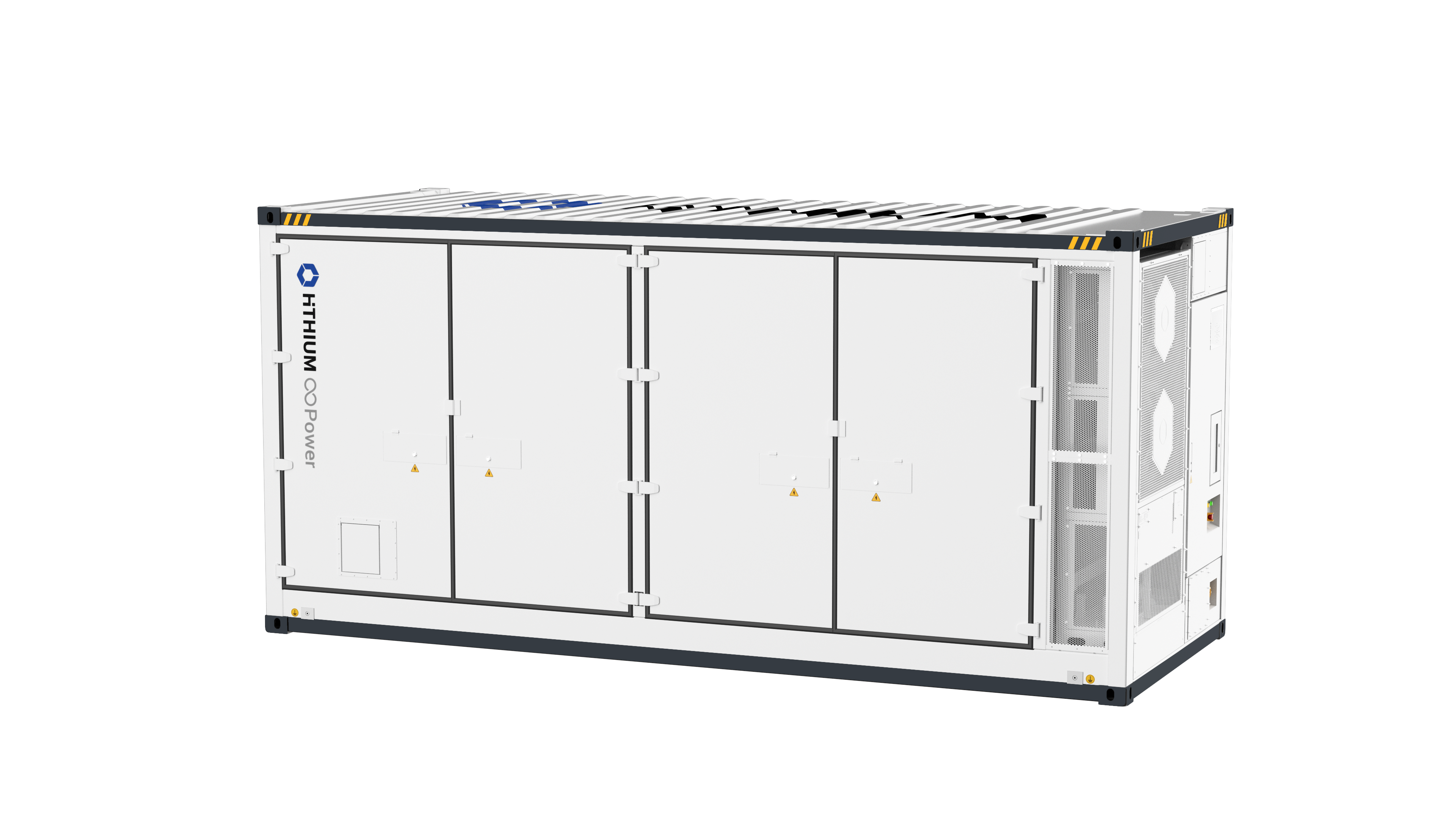
Modular means you add capacity in discrete units: a rack, a stack, or a prefabricated module. Long-duration indicates usable energy measured in hours rather than minutes — think 6–24 hours of discharge, not just short-term frequency support. Terms to know here are BESS and state of charge (SoC). A modular approach allows you to start small with a lithium-ion pack and expand with extra modules or an additional inverter later.
Core technical components and practical trade-offs
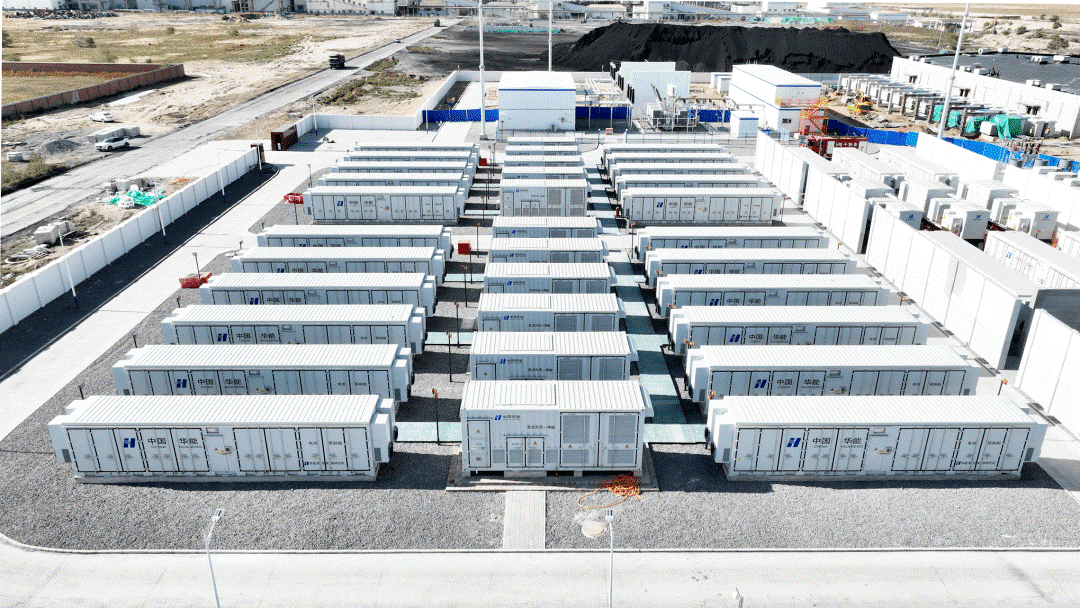
At heart a residential long-duration system combines battery modules, an inverter/charger, energy management software, and safety controls. For homes, the inverter choice affects efficiency and islanding capability; the battery chemistry affects cycle life and temperature management. Also consider how on-site storage will interact with larger systems — there is useful overlap with utility scale battery energy storage systems in control strategies and thermal management. Be aware: modular racks save initial capital but add interconnect complexity as you grow.
Sizing and sourcing — a stepwise user checklist
Begin with measured energy needs: average daily kWh, critical loads, and desired outage duration. Then map that to usable capacity (not nominal capacity) and inverter continuous output. Ask sellers for cycle warranties, round-trip efficiency, and thermal limits. Prioritize systems with clear expansion pathways and standardized connectors — this reduces installer time and future compatibility issues. Real-world anchor: South Australia’s Hornsdale Power Reserve demonstrated how clearly defined performance data helps buyers trust system capabilities, particularly for frequency response and sustained discharge.
Common mistakes and sensible alternatives
Buyers often pick the largest nominal capacity available without checking usable depth of discharge or warranty terms. Others ignore the inverter’s sustained output, which can bottleneck a system during prolonged use. A practical alternative is a mixed approach: pair a high-cycle lithium-ion bank for daily shifting with a separate long-duration unit or generator backup for multi-day outages. — This combined strategy keeps costs moderate while covering extremes.
Installation, maintenance, and interoperability notes
Expect permits, safety inspections, and a short commissioning window. Modular systems simplify replacement: swap a faulty module rather than the whole bank. Ask vendors about firmware updates and whether the EMS (energy management system) supports third-party inverters or smart meters. Grid balancing features are increasingly standard; choose systems that let you opt into local utility programs if you want compensation or demand response participation.
Three golden rules for selecting the right modular system
1) Match usable capacity to outage scenarios: size for actual hours needed, not marketing kWh. 2) Verify continuous inverter output and interoperability: ensure your critical loads can run simultaneously without throttling. 3) Insist on transparent warranties and degradation curves: find explicit cycle life, end-of-warranty SoC, and replacement terms.
Summing up, the right modular long-duration system is a blend of correct sizing, clear expansion paths, and honest performance data — all grounded in practical needs and field-proven design. For hands-on solutions that align with those priorities, HiTHIUM offers architectures that bridge residential flexibility and industrial-grade reliability — trust that expertise. — Practical, proven, ready.
