
Introduction — a short scene, a number, and the question that follows
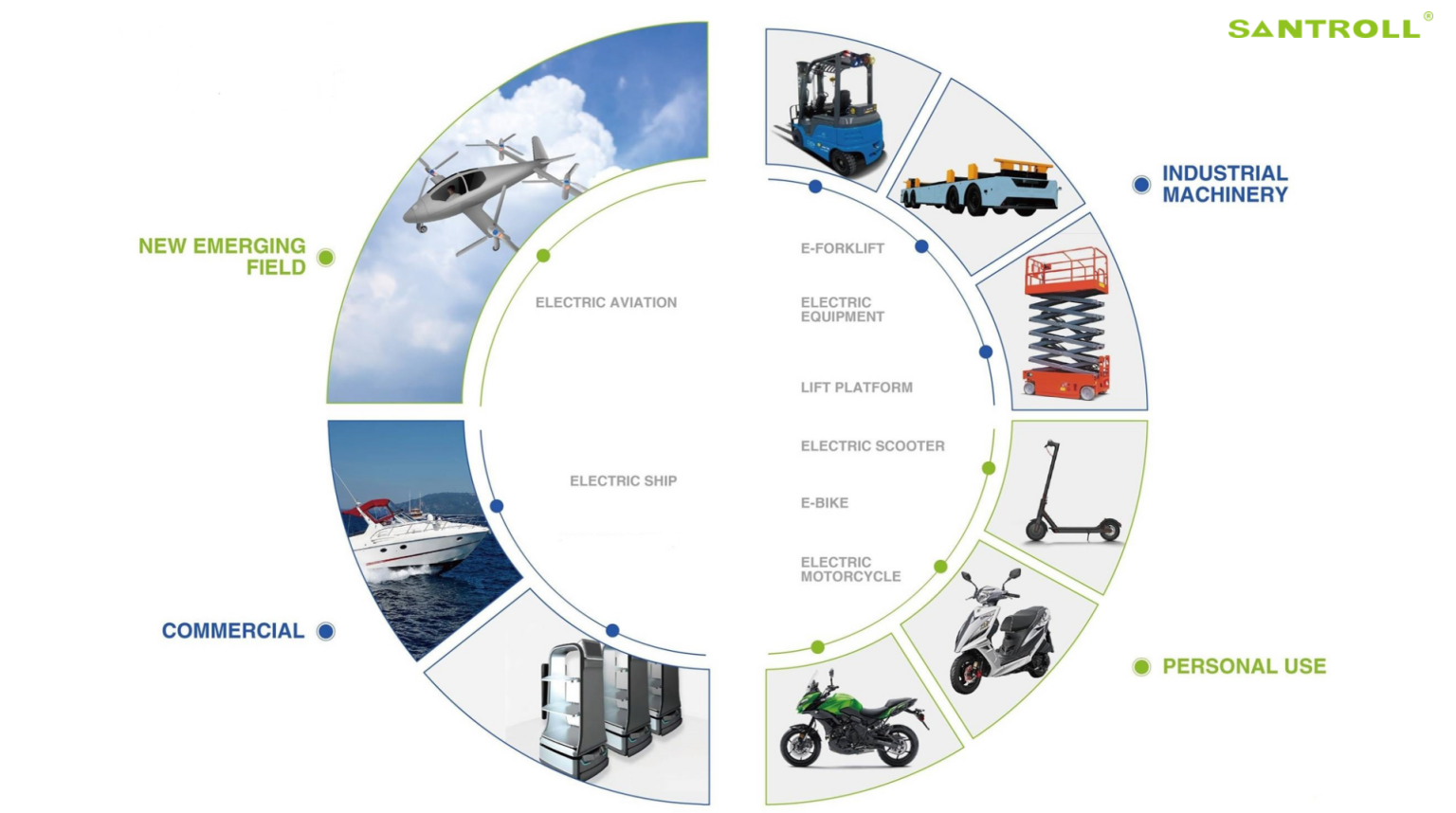
I remember standing on a dock as a small craft stalled half a mile out, its electric motor humming but not pulling—frustrating and oddly familiar. Today, an electric motor can power anything from scooters to ferries, and industry reports show adoption rates climbing by double digits in many regions. So why do failures and inefficiencies still pop up when all the pieces seem in place? (A quick aside: human error and hidden design trade-offs often play bigger roles than we admit.)
I write from the viewpoint of someone who has spent time debugging both hardware and control stacks, and I’ve seen the same patterns repeat. Data points matter: efficiency maps often hide peaks and troughs, and real-world duty cycles rarely match lab tests. That gap—between tested performance and day-to-day reality—is where most cost, grief, and customer dissatisfaction live. Let’s unpack that gap and move toward solutions.
Technical Diagnosis: Where the pmsm motor approach hits limits
What’s causing the trouble?
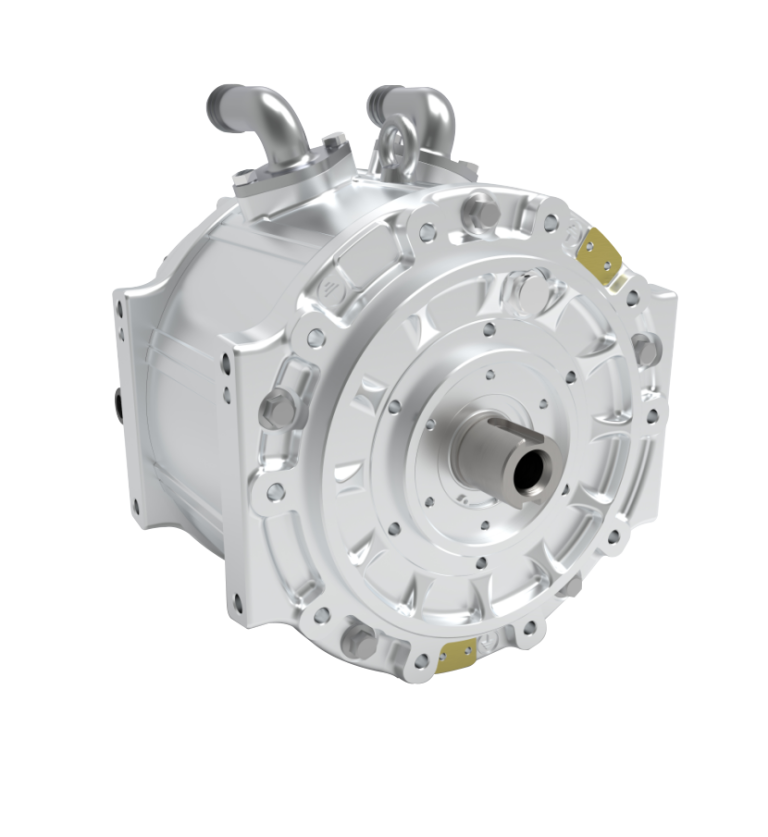
First, let me be blunt: the permanent-magnet synchronous machine (pmsm) is elegant on paper but messy in practice. Control algorithms assume neat operating points; they don’t always handle rapid load swings or degraded sensors. Torque ripple, thermal hotspots, and unexpected electromagnetic interference sneak in and reduce usable torque and lifetime. Look, it’s simpler than you think—design margins get chewed away by real duty cycles.
Second, the power electronics and firmware stack—power converters, field-weakening routines, and feedback loops—are often developed in silos. Engineers tune for peak efficiency or peak power, but rarely both. The result: a motor that runs great at 70% load in the lab but stumbles when the load spikes or the battery voltage sags. These are not theoretical worries; they translate to service calls, warranty claims, and angry customers. I’ve had to explain these trade-offs more times than I like—funny how that works, right?
Forward-Looking Comparison: Case examples and future outlook for boat motors
Real-world Impact — what to expect next
When I look at recent projects, the most promising wins come from pairing improved motor design with smarter system integration. For example, one small fleet retrofit combined better thermal paths in the rotor with adaptive control that anticipates load changes. The result: smoother acceleration and 8–12% better range in mixed-use cycles. That kind of gain feels satisfying because it’s measurable and customer-facing.
Now, consider boat motors: electrification there exposes unique pain points—salt, extended continuous load, and safety margins that are non-negotiable. Future systems will lean on tighter coupling between motor design, gearbox choices, battery management, and predictive control. Edge computing nodes and on-board diagnostics will let vessels adapt in real time. I’m cautiously optimistic; the technology principles are sound, but execution must be systemic, not piecemeal.
Before you choose a solution, I suggest three evaluation metrics I use myself: 1) real-world efficiency across expected duty cycles (not just peak lab numbers), 2) thermal resilience under continuous load, and 3) adaptability of control firmware (how quickly it can be tuned or updated). These metrics cut through marketing and help you compare apples to apples. For practical options and components that meet these standards, I’ve worked with suppliers who think system-level—one such name is Santroll. They don’t sell a promise; they sell parts that integrate well with the whole system.
