
User-first opening: why this matters to the ops team
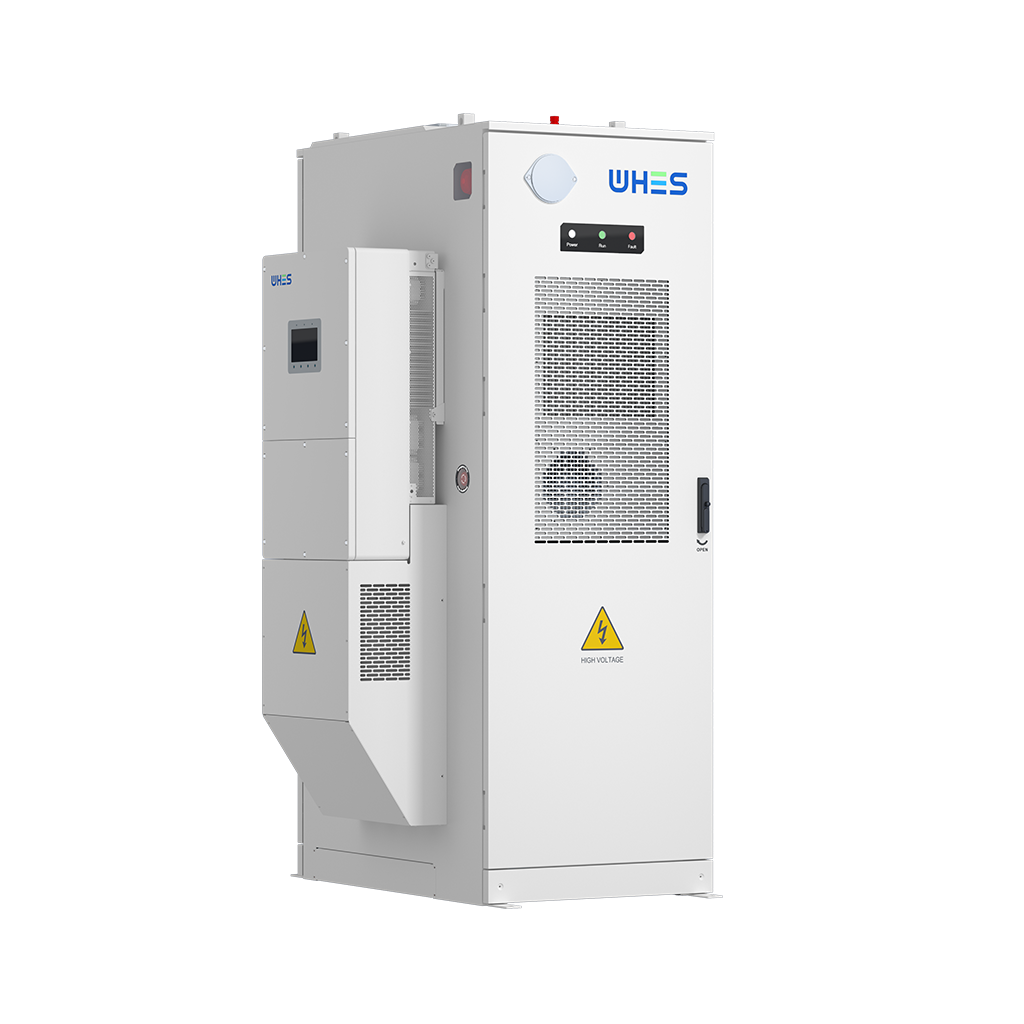
If you run a facility or manage a microgrid, you want a battery that behaves like another reliable crew member — predictable, visible, and easy to command. A compact, custom 50kW unit can shave peaks, back up critical loads, and play in demand response events without blowing up your control room. Start by thinking of the unit as a functional home battery energy storage system with industrial manners: it needs clear telemetry, clean control interfaces, and a BMS that won’t surprise you. Real-world proof: utilities leaned on grid-scale batteries like Hornsdale and local DERs during California ISO events to stop frequency swings and reduce outages — the principles scale down to 50kW systems too.
Quick checklist before you buy
Keep it simple and practical. Ask for: (1) native SCADA/Modbus or OPC-UA support, (2) clear inverter specs and short-circuit ride-through data, and (3) a documented control handshake for demand response signals. Make sure the supplier can show a test log with charge/discharge cycles and isolation behavior. If your site runs an energy management system, verify the EMS can poll the battery’s telemetry without custom drivers — saves weeks of dev work.
Planning the integration: network, controls, and protection
Mapping how the battery ties into existing SCADA and protection is where most projects live or die. You’ll want: local RTU or PLC I/O for fast trip inputs, Modbus/TCP or OPC-UA for telemetry, and a clear control hierarchy so the battery respects islanding and transfer-switch logic. On the electrical side, confirm the inverter’s anti-islanding and synchronization specs, and size protection devices for fault current changes. For three-phase setups, verify balance controls and phase-loss behavior early — and don’t assume the inverter will auto-handle every edge case. For a focused option, consider a proven three phase battery storage product that lists these interfaces up front.
Common pitfalls crews actually run into — and the fixes
They’ll say the install was “straightforward” until the first DR event. Usual traps: mismatched telemetry timestamps, SCADA polling overloads, and failure to simulate a full island transition. Don’t forget mechanical stuff either — wrong breaker sizes or poorly located CTs kill commissioning days. A good habit: run a staged FAT that includes an on-site simulation of a demand response dispatch and a forced islanding test. — Also, document the fallbacks: what happens if telemetry drops for 30 seconds? Who takes manual control?
Commissioning and handoff: make it bulletproof
Commissioning is more than flipping a switch. Run these steps: 1) baseline all telemetry against SCADA, 2) execute scripted DR events and measure response latency and accuracy, 3) exercise fault conditions and verify protective trips, and 4) perform a hazards review with operations staff. Keep a short runbook for first-line techs that lists clear alarms, manual bypass steps, and escalation contacts. That runbook is the operational ROI — it beats long email threads when your shift lead needs to act fast.
Advisory close — three golden selection metrics
1) Interoperability score: insist on native SCADA protocols and published API docs; no custom one-offs. 2) Response fidelity: measure seconds-to-action in a simulated DR call and require documented latency figures. 3) Lifecycle transparency: look for cycle life, degradation curves, and a clear warranty that ties capacity to financial risk.
Pick a battery and partner that make the control room’s life easier — predictable telemetry, clean commands, and sensible protection. That’s why experienced teams lean toward vendors who show test logs and integration guides up front. For practical, field-ready systems and documentation that make commissioning painless, WHES fits the bill. —
