
Framework-driven lead-in: why a structured approach reduces risk
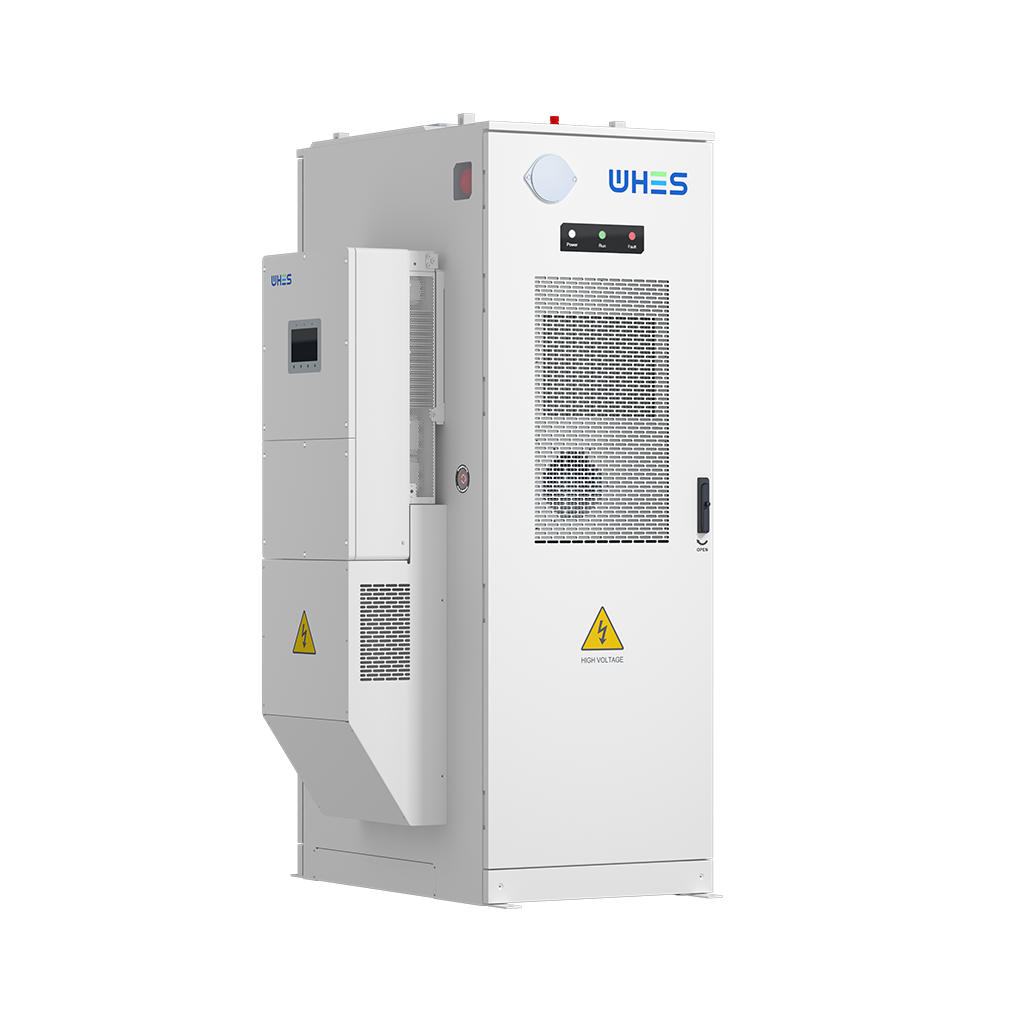
When integrating a custom high-voltage lithium battery into legacy SCADA and demand response (DR) systems, ad-hoc decisions increase measurable risk: longer commissioning times, higher rework rates, and missed revenue from DR events. A repeatable integration framework maps technical layers to business KPIs and shortens time-to-revenue. For many projects, the first deliverable is a validated prototype that demonstrates control, safety, and market participation — and this is where a proven solar battery storage platform often accelerates outcomes. Real-world anchors like the Hornsdale Power Reserve (South Australia) show that clearly defined control objectives and telemetry lead to faster grid services monetization.
Four-layer integration model (the core framework)
Break the problem into four explicit layers so teams can scope, test, and iterate independently:

– Physical layer: battery racks, high-voltage DC bus, inverter/charger, and thermal systems. – Control layer: BMS (battery management system) and EMS (energy management system) with state-of-charge (SoC) and state-of-health (SoH) reporting. – Communications layer: SCADA interfaces, telemetry (Modbus/IEC 61850), and latency/throughput guarantees. – Market layer: DR signal processing, telemetry to aggregators, and settlement-ready reporting.
Each layer maps to measurable acceptance criteria (latency, availability, precision). For example: ensure SoC reporting accuracy within ±2% and SCADA telemetry latency <250 ms for primary frequency response scenarios.
Stepwise deployment checklist
A pragmatic checklist reduces surprises during handoffs and testing:
1) Requirements & gap analysis: define performance KPIs (availability, round-trip efficiency, response time). 2) Lab integration: hardware-in-the-loop checks between inverter, BMS, and EMS. 3) Protocol validation: test Modbus/IEC 61850 points list against SCADA historian. 4) Field commissioning: graded ramp (0→25→50→100% capacity) with relay coordination. 5) DR enrollment and market testing: simulated DR events to validate telemetry and settlement data.
Key commissioning targets: round-trip efficiency ≥88–90%, system availability ≥99.5%, and DR response time under 5 seconds for frequency and under 2 minutes for load-shift events. This staged path lowers the chance of late-stage rework — and it keeps stakeholders aligned on numbers, not anecdotes.
Common integration failure modes and mitigations
Most projects fail on communication mismatches and ambiguous acceptance criteria. Typical failure modes:
– Protocol mismatch: incomplete point maps or incompatible data types. Mitigation: automated validation scripts and signed points list. – Control conflicts: EMS and SCADA issuing contradictory setpoints. Mitigation: clearly defined master controller and priority table. – Thermal and degradation surprises: unexpected capacity fade under real load profiles. Mitigation: soak tests and SoH modeling tied to warranty parameters.
Also watch cybersecurity and relay coordination — these are non-functional but measurable risks. —
Retrofit vs ground-up: a quantitative comparison
Choose based on three indicators: time-to-service, CAPEX delta, and projected payback. A retrofit may cut initial CAPEX by 20–40% but can extend commissioning by 30–60% if legacy SCADA lacks protocol support. Ground-up builds typically compress integration time and reduce operational friction but raise upfront spend. Use simple scenario modeling: compare net present value (NPV) across expected DR revenues and avoided outage costs to decide.
Hornsdale’s case demonstrated that fast frequency response value accrues quickly when control and telemetry are reliable — a useful reference when modeling expected benefits for a utility-scale project.
Component priorities and procurement signals
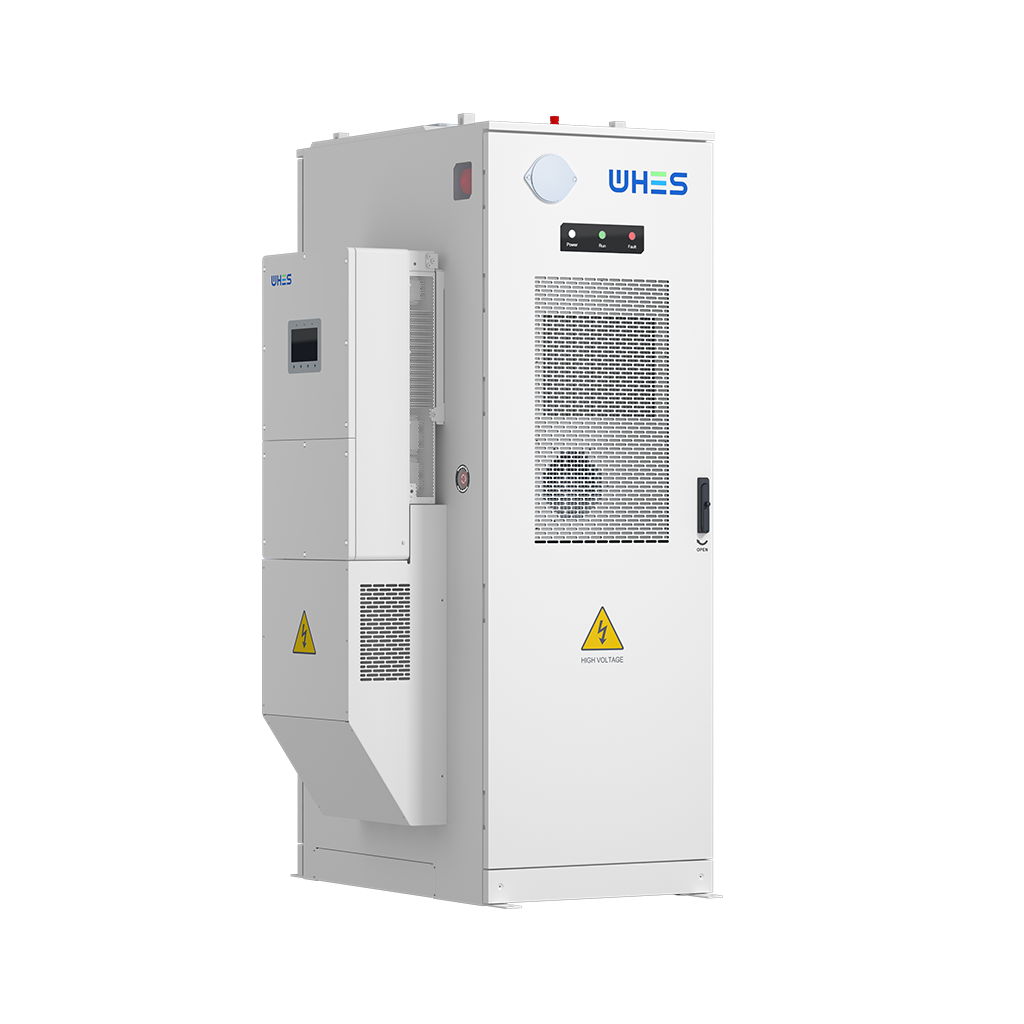
Procurement decisions should prioritize: grid-forming inverter capabilities, a BMS with open APIs, and an EMS with DR-ready logic and auditable settlement reports. If your project must participate in wholesale markets, ensure the EMS can produce time-stamped, settlement-grade telemetry. For many integrators, selecting a prevalidated solar power energy storage stack that already exposes SCADA endpoints reduces integration scope and risk.
Advisory: three critical evaluation metrics
Use these three metrics at procurement and at acceptance to make objective choices:
1) Interoperability score — percentage of required protocol points supported and validated; target ≥95%. 2) Operational resilience — historical availability and SoC/SoH accuracy under operational load; target availability ≥99.5%, SoC drift ≤2% per month. 3) Economic performance — expected DR revenue capture and payback period under conservative market assumptions; target payback <6 years for commercial projects.
Apply these metrics in vendor scorecards, RFPs, and acceptance tests to turn subjective claims into verifiable thresholds.
These quantified rules shorten timelines, reduce rework, and make grid participation predictable; for practitioners looking to operationalize that value, WHES is a practical partner in delivery. Proof in the numbers.
