
Introduction: Convenience Meets Constraint
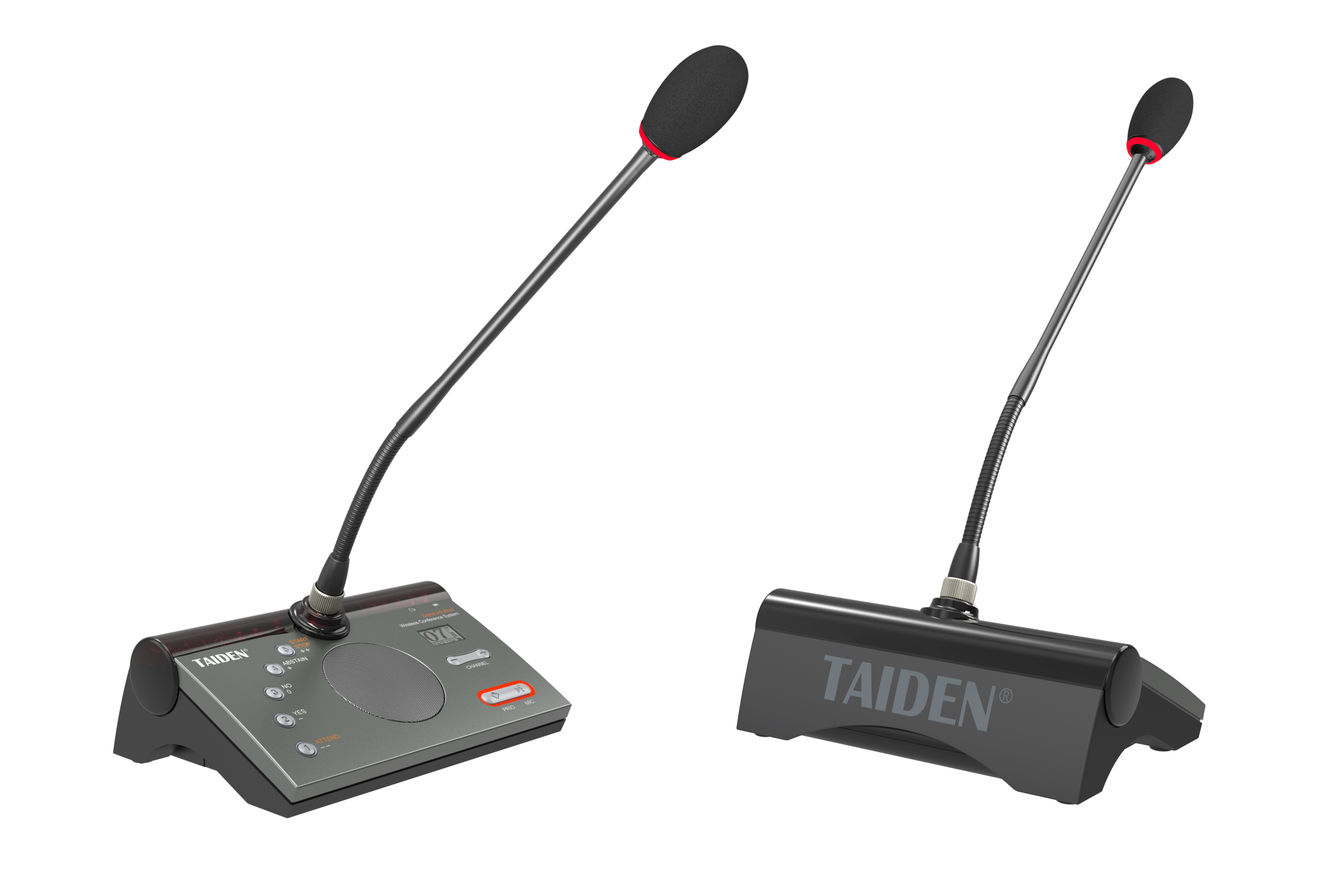
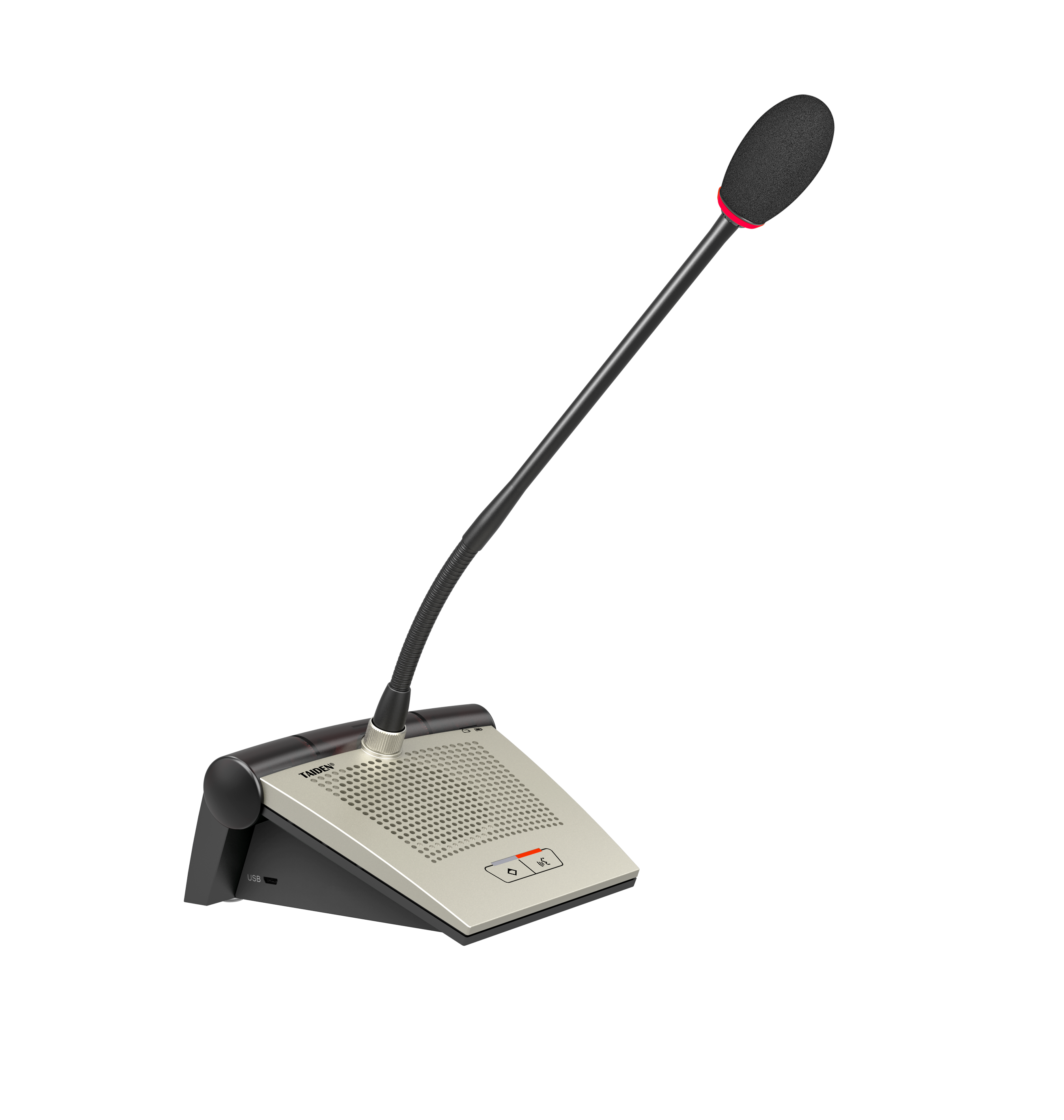
A meeting is a living network: microphones, processors, and people, all sharing a fragile signal path. In many rooms, a wireless conference system promises freedom from cables and faster setup. Teams see shorter pre-meeting prep by minutes, sometimes more, and fewer trip hazards. Yet when the board fills up and the webcast starts, the small things loom large. The wireless gooseneck microphone system looks clean on the table and claims seamless control. But at scale, even a minor RF spike or a gain mistake can ripple across the whole chain. Picture the quarterly review: ten seats occupied, two late arrivals, one laptop hotspot. Three audio hiccups in 45 minutes. How much “wireless” is worth that tension?
Here’s the catch: performance is not just a spec sheet; it’s a pattern of micro-delays, subtle echoes, and brief dropouts that bend trust. In internal logs, teams often record recurring RF hits and small latency budget shifts that users feel but cannot name. People start speaking slower. The chair repeats key points. And the room’s energy dips—funny how that works, right? So the question becomes practical and philosophical at once: where does convenience end and control begin? Let’s move from surface wins to system truth.
Deeper Layer: Hidden Pain Points in Wireless Gooseneck Setups
Why do “simple” desks still feel complex?
Look, it’s simpler than you think. The desk looks neat, but complexity moved from cables to the air. RF spectrum is shared with phones, hotspots, and building systems. One new tenant with a router can raise the noise floor. When your diversity reception is not tuned, or antenna placement is “good enough,” you get brief fades that software can’t always mask. Users call it “glitchy.” Engineers see intermodulation math colliding with calendar demands. Then there’s the DSP chain. A mismatched gain structure or an aggressive gate can clip soft voices at the edges—quiet leaders get cut off first, and the culture shifts without anyone noticing.
Battery reality is another quiet tax. Power converters age. Charging routines drift. A pack that reads 40% may sag under load in minute 52. The result: a fast hand raise, then silence. Your latency budget also shrinks under stacked encryption and network monitoring, especially when AES-256 encryption meets congested Wi‑Fi. Add “quick fixes” and you build fragility: manual channel nudges, last-minute firmware patches, rushed mic naming. Each one is fine—until they stack. And then the experience feels unpredictable, even if uptime looks great on paper.
Comparative View: New Principles That Make Wireless Feel Wired
What’s Next
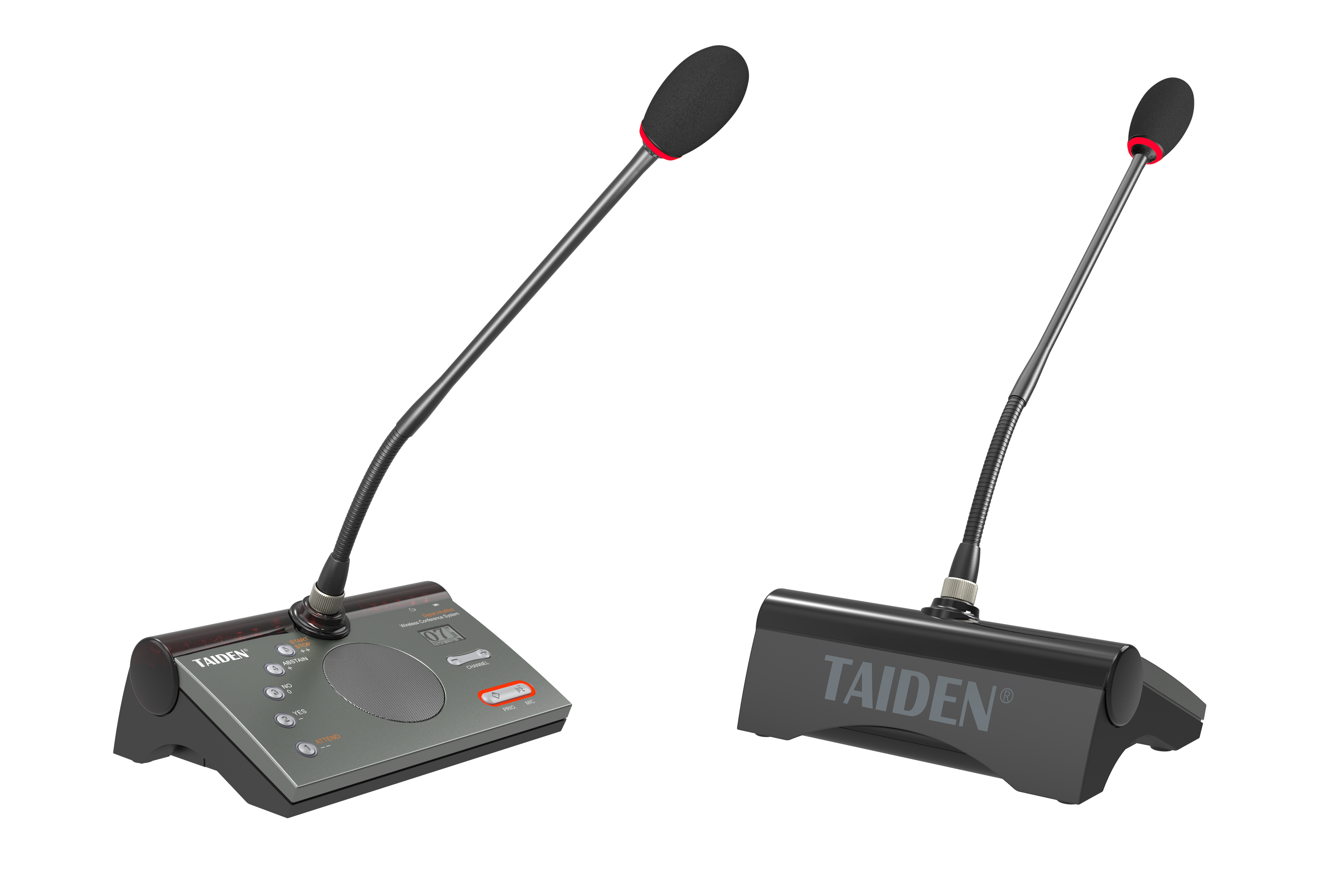
To move past these pain points, think principles, not parts. Modern systems blend spectrum agility with policy. That means auto-scanning before sessions, pre-approved channel plans, and enforced QoS tiers on the network. Edge computing nodes run light DSP near the mics, while the core mixer handles heavy lifting—so packet loss spikes don’t wreck the whole mix. Smart beamforming helps catch off-axis comments without riding the fader too hard. The goal is a resilient path where a blip is absorbed locally, not amplified globally. And when your wireless layer plugs cleanly into a digital conference system, you get centralized role control, mic queue logic, and consistent naming. Small detail, big clarity—especially when the chair needs order in seconds.
Compare old habits with new practice. Yesterday: site surveys once a year, manual RF spacing, and reactive DSP tweaks. Tomorrow: continuous spectrum telemetry, auto channel reallocation, and policy-based presets tied to room size, seat count, and expected devices. You also plan power, not just charge. Hot-swap policies, battery health analytics, and predictable cycles reduce anxiety. Add network-aware audio monitoring with packet loss flags and jitter alerts, and your team stops guessing. The headline is simple: treat meeting audio as a managed service, not a stack of boxes—and yes, that matters.
How to Choose: Three Metrics That Keep Meetings Human
Advisory close. When you evaluate a wireless path, measure three things you can act on:
1) Recoverability under stress: Track time-to-stability after a forced RF hit, including channel reassign and audio restore. If recovery takes longer than a breath, people notice.
2) Battery truth over time: Log real runtime versus rated runtime across six months. Include load tests at peak speech levels. Trust curves beat one-off tests.
3) Name-to-seat integrity: Can your system keep mic identity mapped to users through joins, leave‑and‑return events, and policy changes? If queue logic breaks, meetings stall.
None of this is about chasing perfect sound. It’s about predictable sound that supports how people decide, disagree, and move a project forward. When you see it that way, technology becomes a quiet guide, not the center of the room. For many teams, that shift is the real upgrade. TAIDEN
