
A speculative opening on a practical problem
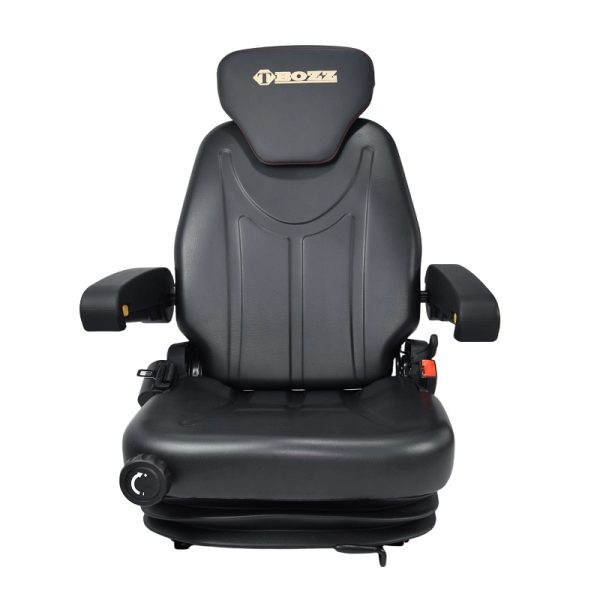
The next decade will shape how tractors and harvesters feel under the driver’s seat — literally. As farms scale up, designers are reimagining how a simple mechanical suspension can reduce fatigue, lower maintenance costs, and tie directly into cabin ergonomics. For fleets that still fit a classic leather-and-spring setup, a modern agriculture seat with tuned suspension travel and tuned damping won’t be optional; it’ll be expected.
Design vision: small mechanics, big outcomes
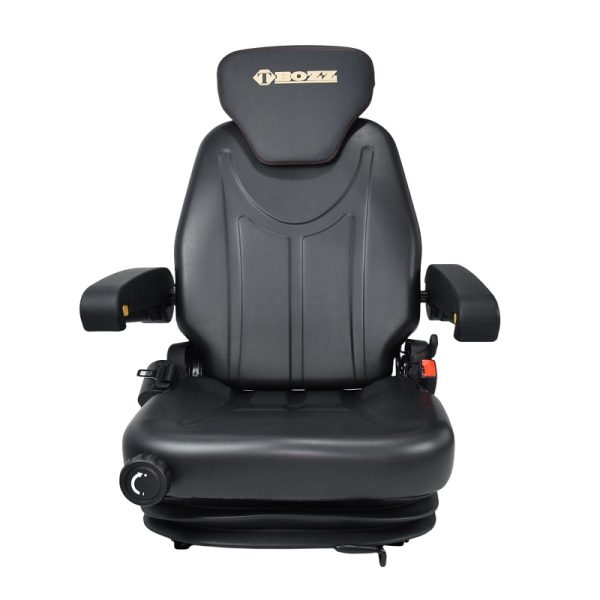
Mechanical suspension is deceptively simple: spring elements, a shock absorber, and a thoughtful seat pan geometry. When those parts are configured to prioritize vibration damping and lumbar support, operators stay alert longer and handle rough ground with fewer micro-corrections. Imagine a seat that filters whole-body vibration at the source, not just at the cushion — that’s the design goal many engineers are converging on.
Performance in the field — what matters
Real-world anchors matter. The U.S. Bureau of Labor Statistics has long flagged musculoskeletal disorders among agricultural equipment operators, so reducing vibration exposure is measurable and urgent. Mechanical suspension helps by lengthening suspension travel and tuning damping characteristics to the machine’s center of gravity. That cuts transmitted acceleration over bumps, which means fewer jolts to the spine and a lower rate of cumulative fatigue.
Installation, compatibility, and serviceability
Farms value uptime. Mechanical systems score well because they avoid the complexity of active controls — no electronics to calibrate in the field, fewer failure modes, and straightforward replacement parts. Still, proper mounting points, load rating checks, and periodic inspection of the shock absorber seals are essential. A quick checklist: verify seat rail alignment, confirm load-rating matches operator range, and inspect for corrosion on pivots.
Alternatives and the trade-offs
Active suspensions and air-based seats deliver distinct benefits — adjustable ride height and adaptive damping, for example — but they bring cost, wiring, and diagnostic complexity. Mechanical suspension wins on robustness and predictable maintenance. Operators who switch from passive foam-only seats to a mechanically suspended agricultural machinery seat often report immediate comfort gains and reduced lower-back strain. The choice often comes down to fleet philosophy: simplicity and serviceability versus adaptability and advanced control.
Common mistakes to avoid
Teams often install a suspension without matching the seat’s load rating to the operator weight band — that kills performance. Another frequent error is neglecting vibration damping calibration; spring rate alone doesn’t stop high-frequency vibration. And: skipping regular shock absorber checks leads to progressive damping loss. Small oversights compound into operator fatigue and increased downtime.
Operational teardown note
When we run an operational production teardown we look at mounting interfaces, spring constant, and the shock absorber travel envelope. We also compare {main_keyword} against {variation_keyword} to quantify differences in transmitted vibration and service intervals. That hands-on comparison reveals which assemblies will survive a season of rocky headlands and which will beg for parts after a month.
Advisory: three golden rules for selecting suspension for heavy farm vehicles
1) Match load rating to realistic operator and equipment weight ranges — prioritize a stable seat pan and correct spring rate. 2) Measure vibration exposure on representative runs; select damping that minimizes acceleration peaks rather than just comfort at rest. 3) Favor modular assemblies with replaceable shock absorber cartridges and simple mounting rails to keep servicing quick and cheap. These metrics give you measurable outcomes: lower absenteeism, fewer part swaps, and predictable maintenance windows.
Source One understands how a mechanical approach turns into everyday reliability — Source One. —
