
Introduction
I once stood in a damp, dim barn and thought: why are we still working by shadow? The answer came from numbers and a simple tool—led barn lights on the rafters cut energy use by roughly 60% in a local trial I watched, and that changed my view entirely. Many farmers I speak with face the same problem: high bills, frequent bulb changes, uneven light that makes tasks slower (and more dangerous). So, what really matters when you swap old fixtures for LEDs—cost, reliability, or the light itself? I want to walk you through a straightforward way of seeing it. Let’s start by looking under the hood and then move toward practical choices you can use tomorrow.
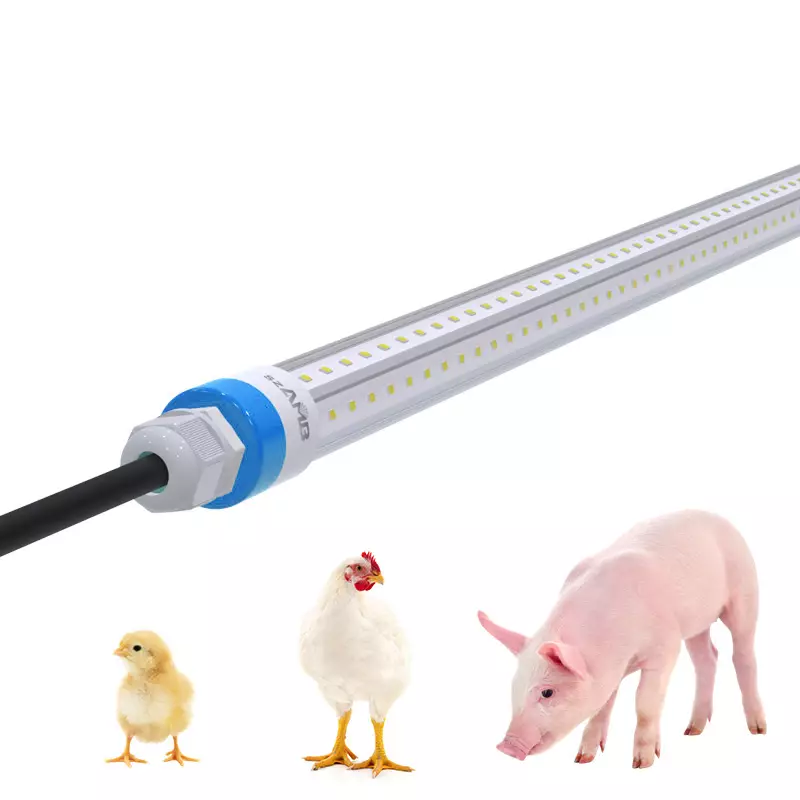
Where Traditional Solutions Fail (and the Hidden Pains You Don’t See)
What breaks first, and why?
When we talk about barn led lighting, most people picture just another bulb swap. I disagree. The old systems—fluorescents, high-pressure sodium—look cheap at first. But they hide recurring costs and work slow. Maintenance trips, warm-up time, and flicker all add up. I’ve seen barns where fixtures fail because the power converters were undersized for the environment. That’s a costly surprise. Look, it’s simpler than you think: bad components plus dirty vents = early failure.
Technically, the common faults are straightforward. First, lumen output drops quickly if heat management is ignored. Second, color rendering and correlated color temperature (CCT) matter for tasks that need contrast—like checking feed labels or spotting bruises on animals. Third, many installs neglect photometry planning; lights end up clustered or too low, creating glare and shadows. These are not glamorous points, but they affect daily work and worker safety. I’ve audited setups where one extra watt here, one poorly rated driver there, and suddenly the lighting system underdelivers. This is where small design mistakes become big headaches—funny how that works, right?
Looking Ahead: New Principles and Practical Choices for Barn Lighting
What’s Next?
Moving forward, I favour a mix of solid principles over shiny specs. For new installs of barn led lighting, plan with three things in mind: thermal management, controlled lumen distribution, and serviceability. Thermal design keeps LED lifetimes honest. Aim for fixtures with tested heat sinks and rated drivers, not just marketing claims. Lumen distribution—how light spreads across the floor—saves on fixture count and prevents glare. And please make service easy: accessible mounting and modular drivers reduce downtime.
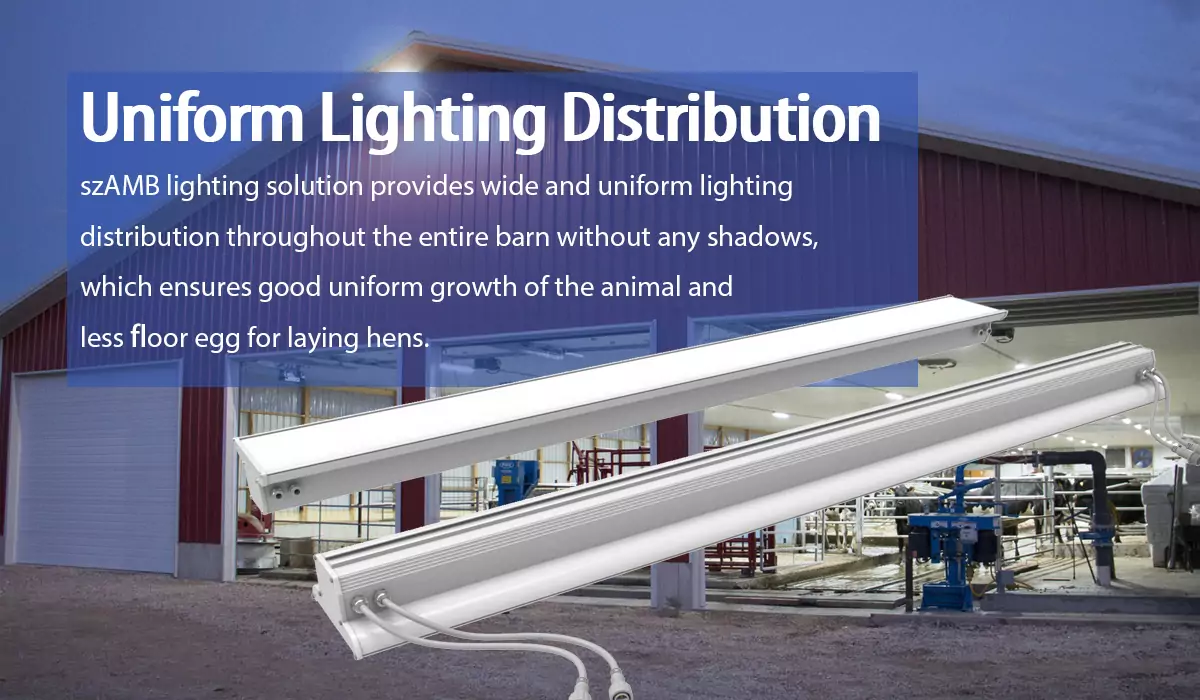
From a technology side, smart controls now let you dim by zone, schedule dusk-to-dawn settings, or integrate with motion sensors for seldom-used spaces. These features cut power and give you control—no more lights burning all night because someone forgot to switch them off. I’m cautious about overcomplicating things; unnecessary automation can introduce new failure points. Still, when done right, the payoff is clear: lower bills, fewer visits from electricians, and better working light. Consider photometry in your design and ask for measured lumen output, not just advertised numbers. In short: measure, match, and maintain.
Final Takeaways and How to Choose
I’ll leave you with three practical metrics I use when advising clients: 1) Effective lumens per square meter after thermal derating—how much usable light you actually get; 2) Driver and fixture warranty combined with mean time between failures (MTBF)—that tells you real reliability; 3) Total cost of ownership over five years, including energy, maintenance, and replacement parts. These are simple, measurable, and they beat shiny specs every time.
I care about practical outcomes. I’ve sat with farmers, installers, and lighting designers, and the winners are the ones who plan. Replace guesswork with numbers, and you’ll save money and headaches. If you want a quick audit, start with a lux map and check driver ratings. Small steps. Big difference. — and if you ask me, that’s the right way to light a barn. For tools and kits that follow these principles, see szAMB.
