
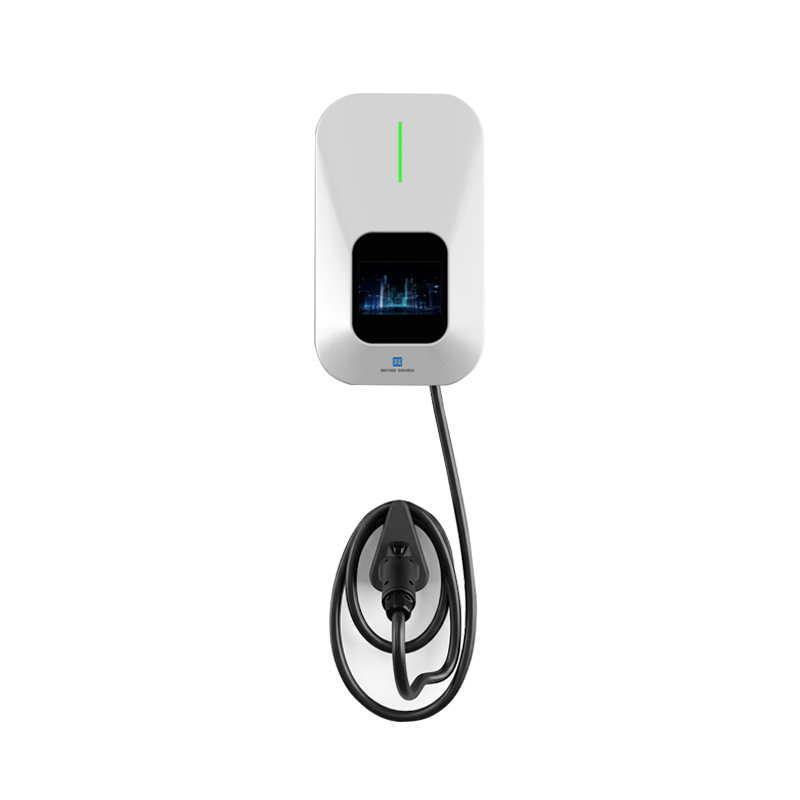
Setting the scene — why this matters
Many sites installing a commercial EV charging station expect steady, predictable 32A charging, but reality throws small shocks: slow sessions, random disconnects, or persistent faults. This piece follows a problem-driven line — spot the symptom, chase the cause, fix it cleanly — and it stays practical for operators, facilities teams, and installers who run chargers day-to-day. Real-world anchor: cities such as Amsterdam and Shenzhen showed early that charger uptime and proper protocol support determine adoption rates; lessons from those rollouts still apply to urban car parks today.
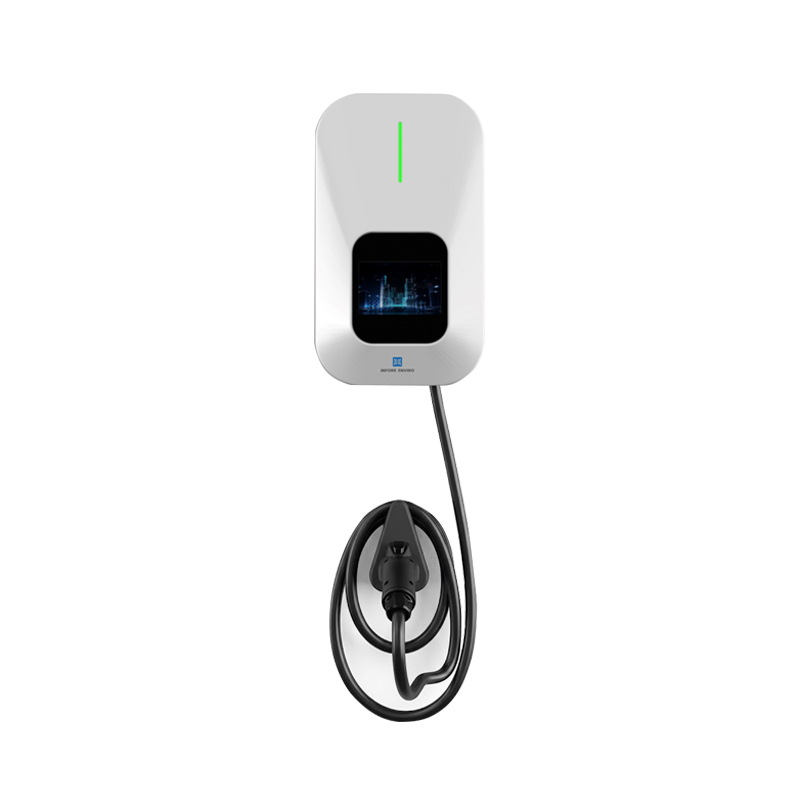
Common symptoms you will see first
Slow charge rates despite a rated 32A supply; intermittent session drops; the charger refusing to start; LED stacks showing fault codes. These are the frontline complaints from site managers. Early triage should log the event times, customer vehicle types, and any nearby building works. Put that data beside the charger logs — the pattern usually points to either electrical or communications issues.
Root causes — where the trouble hides
At commercial scale, problems cluster around three areas: mains supply and distribution, charger firmware/firmware compatibility, and communications (OCPP or proprietary). The OCPP EV charger ecosystem relies on stable back-office connectivity and agreed message flows. When network latency or mismatched OCPP versions creep in, sessions fail or reports mis-state status. Equally, under-specified circuit wiring or shared neutral issues cause voltage imbalance and thermal trips.
Hands-on diagnostics and quick fixes
Begin with the simplest: confirm the AC feed at the panel, test the breaker trip curve, and measure voltage under load. Next, pull the charger logs and timestamp them against the building BMS logs — firmware timestamps tell stories. Upgrade to the latest vendor firmware where advised; ensure OCPP connector settings match the head-end version. For charging behaviour issues, check load balancing settings and current limits: sometimes the site’s load management profile caps each inlet below 32A during peak times. — Small tweak, big result.
What to inspect on the network and software side
Inspect WAN/LAN paths and the MQTT/HTTP channels used by the back office. Packet loss and DNS hiccups can make a charger appear dead while hardware remains fine. Verify TLS certificates and keep token refresh settings sane. When using a commercial EV charging station with remote management, try a local session bypass to isolate whether the fault is comms or hardware. Also confirm connector lock actuators and pilot-signal integrity; pilot voltage irregularities are subtle but common troublemakers.
Installation mistakes and operator errors to avoid
Common missteps: under-sizing feeder cables; tight bending of conductors near connectors; ignoring firmware change logs; trusting default load limits without matching site energy policy. Also watch for mixed vendor setups where proprietary load balancing collides with third-party management. Document installation parameters plainly — cable sizes, breaker curves, and OCPP version — so future technicians understand the baseline.
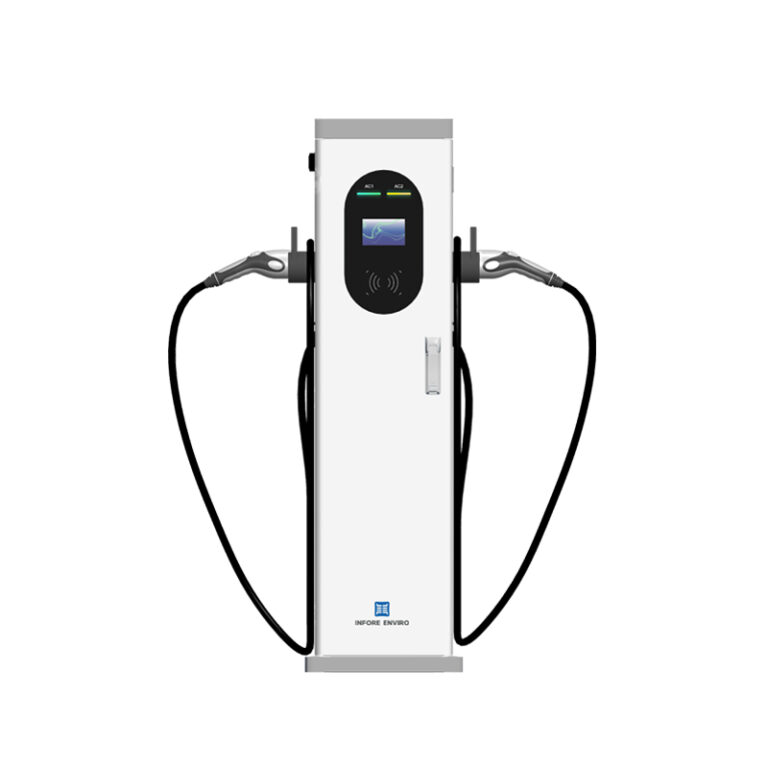
Alternatives and longer-term fixes
If recurring faults persist, consider replacing the charger with a unit certified for stronger thermal performance or better head-end compatibility. Some sites benefit from adding a local energy controller with dynamic load management to stabilize peak draws. When evaluating replacements or upgrades, compare reliability metrics, firmware support cadence, and vendor responsiveness. For many operators, moving to an OCPP EV charger stack that supports advanced telemetry reduces mean time to repair.
Three golden rules for choosing and running 32A chargers
1) Uptime-focused metrics: monitor mean time between failures (MTBF) and average repair time (ART); these tell you the real operational cost. 2) Protocol compatibility: require explicit OCPP version support and a documented rollback plan for firmware changes. 3) Power assurance: verify feeder capacity, breaker characteristics, and set realistic load-balancing policies before commissioning. These three evaluation metrics cut through marketing and show what keeps chargers delivering.
The practical value here is simple: reduce downtime, simplify troubleshooting, and select kit that matches your site realities — that’s where INFORE ENVIRO naturally helps, offering clear specification and operational guidance on commercial installs. — Reliable choices, fewer surprises.
