
Introduction: The Fit Behind the Flash
Define the goal first: a machine that fits your body, your streets, and your time. A sport cruiser motorcycle must balance comfort and intent, not only chrome and noise. Most riders scan spec sheets, then buy with the heart. Yet 68% later tweak seats, bars, or pegs within six months. Here’s a better start. See a shortlist of best sport cruiser motorcycles and use it as a filter, not a finish line. Focus on torque curve, wheelbase, and total mass under load (rider plus gear). Look, it’s simpler than you think—measure reach to bars and pegs before the test ride. Your hands, knees, and lower back will thank you.
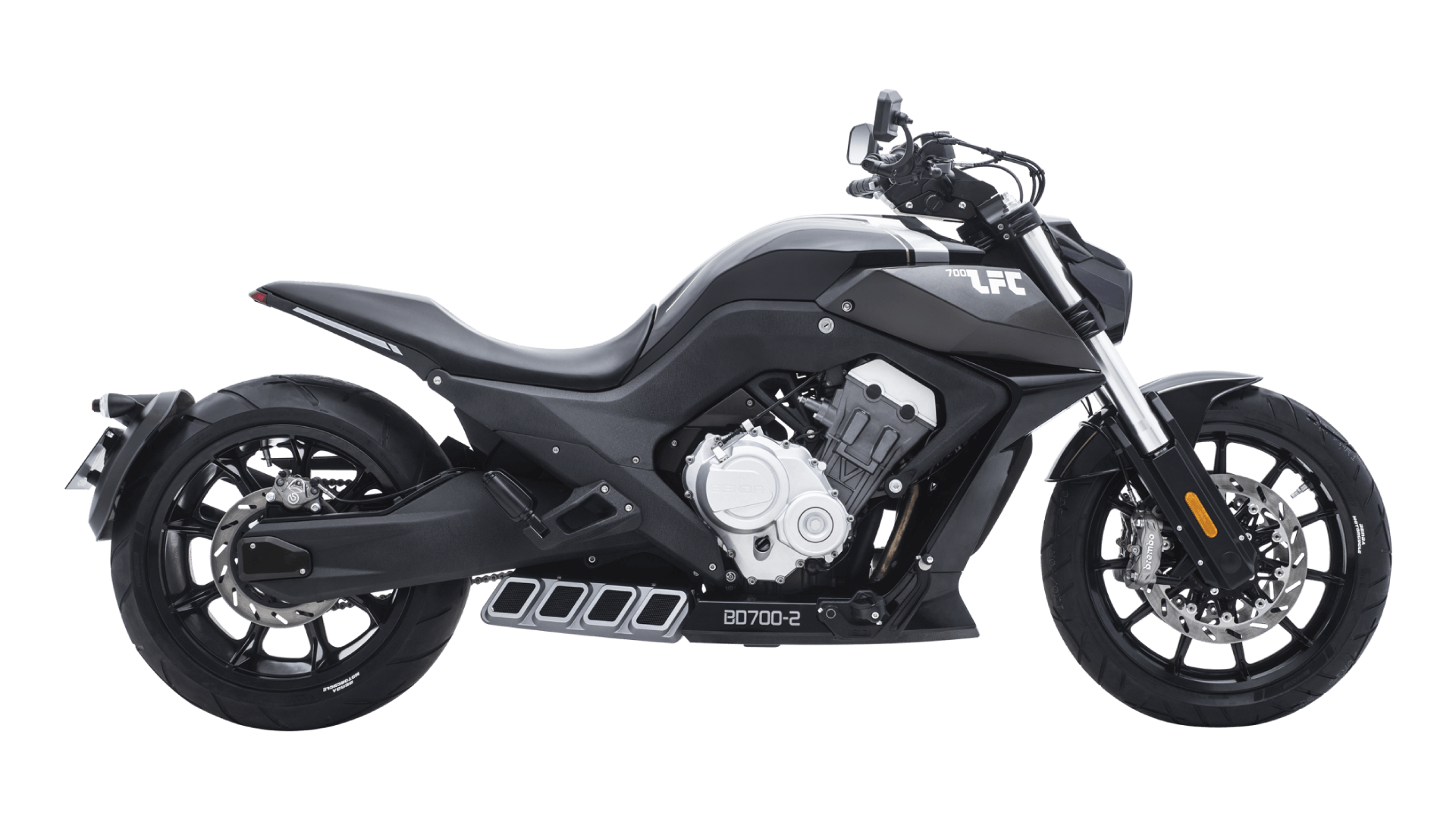
Now set a simple scenario. Morning commute, then a weekend loop with sweepers and a bit of city heat. How does the bike idle in traffic? How does the ABS modulator behave on a dusty corner? Numbers are good; patterns are better. We’ll walk through the deeper checks, then compare what’s changing in the market. Let’s move to the pain points you don’t see on a glossy page.
Hidden Pain Points You Should Spot Early
Where do riders actually feel the difference?
Many “wins” on paper create losses in the saddle. A low seat can strain knees if the peg drop is shallow. A fat rear tire tracks well on highways but fights quick line changes. Heavy clutch pull feels fine on a short ride, then hurts in stop-and-go. ECU mapping that shines above 5,000 rpm can surge at parking-lot speed. And here’s the trap: a calm demo loop hides the buzz you’ll feel at 3,800 rpm in sixth—your real commute band. Check for usable preload range, not just “adjustable suspension.” Smoothness from a slipper clutch matters when you downshift mid-corner on a downhill. Final drive ratios change how the bike leaves a light with a passenger. The CAN bus can limit DIY add-ons or complicate diagnostics; ask how accessories connect. Heat management around the thighs matters in summer gridlock. Even mirror stability at 70 mph is a safety issue, not vanity. These are the quiet frictions that decide whether your proud purchase becomes daily joy—or shelf art.
Comparative Insight: How New Tech Rebalances the Ride
What’s Next
The category is moving fast, and the changes are not only cosmetic. Ride-by-wire systems now smooth low-speed fueling, so urban creep is easier on the wrist and clutch. Small IMUs coordinate cornering ABS and traction control without the “chop” older systems had. Compare unsprung mass: lighter wheels and revised swingarm geometry let the suspension track bumps better at mid-lean. Variable valve timing widens the usable torque band, so you shift less and steer more. Even lighting and charging are smarter. Power converters on the loom keep voltage stable for heated gear and cams, while the ECU monitors draw over the CAN bus—funny how that works, right?

This is why a modern shortlist matters. A well-sorted best sport cruiser motorcycle now behaves like two bikes: calm in town, alert in twisties. Compare braking distance, not just caliper brand. Compare throttle response in rain mode, not just peak horsepower. Stack data with feel—how stable is the chassis mid-corner when you roll off slightly? Think forward: firmware updates can refine fueling maps after purchase. Quickshifter logic gets smarter. Telematics can flag service before you feel the flaw. The best part is subtle. Technology now hides itself so you enjoy a fluent line, not a dashboard dance.
How to Choose with Confidence
Let’s wrap this into three practical checks you can measure. First, Fit Index: confirm reach triangle (bar, seat, peg) with your actual inseam and glove size; shoot for neutral wrists and knee angle above 90 degrees after 20 minutes. Second, Dynamic Reserve: verify power-to-weight in riding trim, front rotor size, and true braking distance from 60 mph; test the bike’s midrange pull, not only peak. Third, Uptime Readiness: look at service intervals, parts network, and thermal behavior in traffic; ask how the ABS modulator, sensors, and ECU updates are handled by the dealer. Keep notes from two back-to-back rides—same road, same day—for a clean comparison. You’ll see the story the spec sheet misses—and that’s where happy ownership lives. Choose with calm eyes, confirm with a measured wrist, and let the bike earn your trust one corner at a time. For further brand context, see BENDA.
