
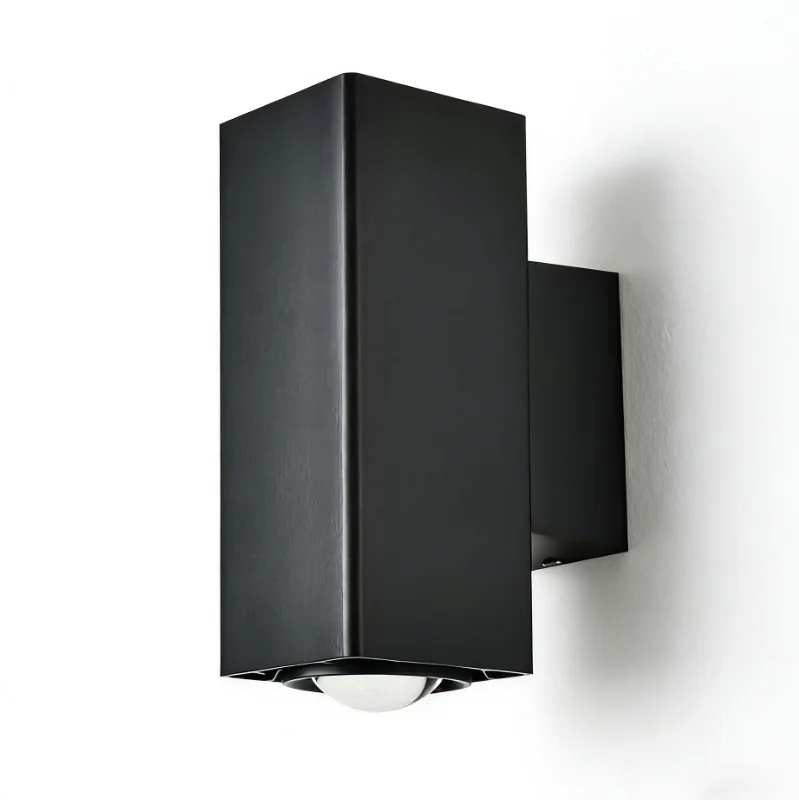
Comparative angle — hotels don’t shop like stores
Hotel developers think long-term and structural, not just what looks good on a shelf. That’s why an outdoor wall lamp specified for a façade is a different animal from a retail-grade unit. Retail fixtures chase price and quick turnover. Hotels chase durability, consistent color, and serviceability over decades. In plain terms: a developer wants an installation that survives weather, keeps guests comfortable at night, and won’t force a big re-do after three seasons.
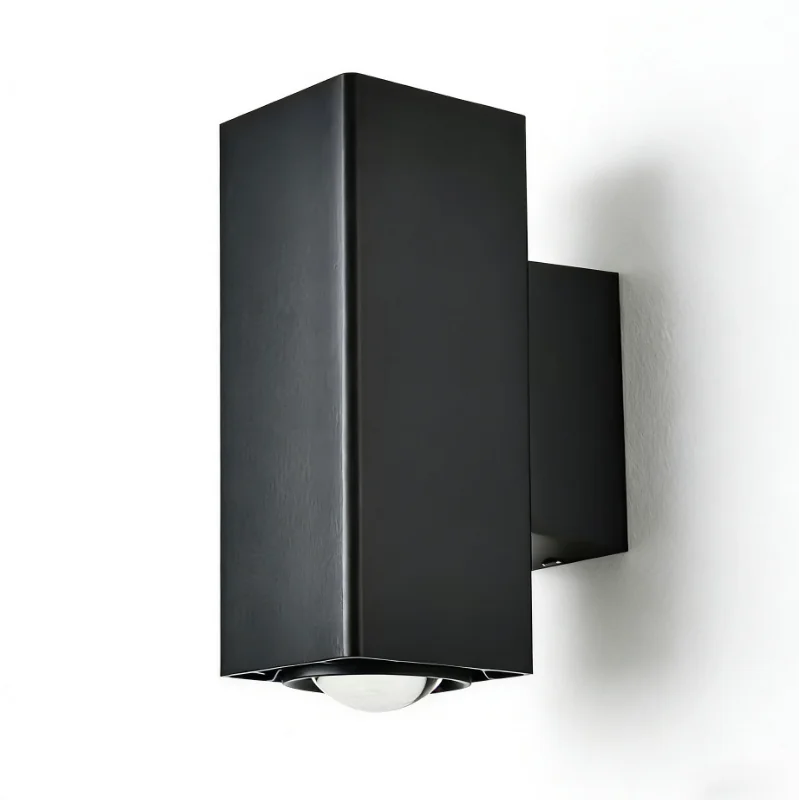
Side-by-side: what architectural-grade brings
Architectural-grade fixtures are built around a few concrete needs: higher IP ratings, repeatable lumen output, and consistent color temperature across runs. Those matter when you’re lighting a promenade, terrace, or porte-cochère. You need predictable illuminance and beam angle so the lighting design reads the same from every room and every vantage point. That predictability keeps maintenance simple and the guest experience steady — and steady sells.
Real-world anchor: energy and upkeep that hit the bottom line
Swapping old lamps for LED tech reduced energy use dramatically across industries — LEDs commonly cut energy consumption by roughly 75–80% compared with incandescent sources. Hotels noticed that on their utility bills and on long-term maintenance schedules after large-scale retrofits. That’s why developers often specify purpose-built led wall lamp outdoor solutions with integral drivers and replaceable modules — they save money and headache over a building’s life.
Design, engineering, and install realities
Pick the wrong unit and you’ll run into fitment and performance problems on site. Examples: mismatched dimming protocols that trip the control system, or low-IP retail lamps that corrode in salty coastal air. A proper architectural spec will call out IP rating, CCT, and mounting interface — and require photometric data so the lighting designer can model the results ahead of install. That means fewer surprises and a faster punch list close-out.
Common mistakes developers make — and how to dodge them
Developers often shortcut on three things: assuming retail-grade aesthetics will hold up, not insisting on photometric reports, and skipping vendor service terms. Don’t do that. Ask for IES files and actual on-site maintenance plans. Also — don’t let price alone drive the choice. You’ll pay more in labor and replacements if fixtures aren’t built for the environment and the control system.
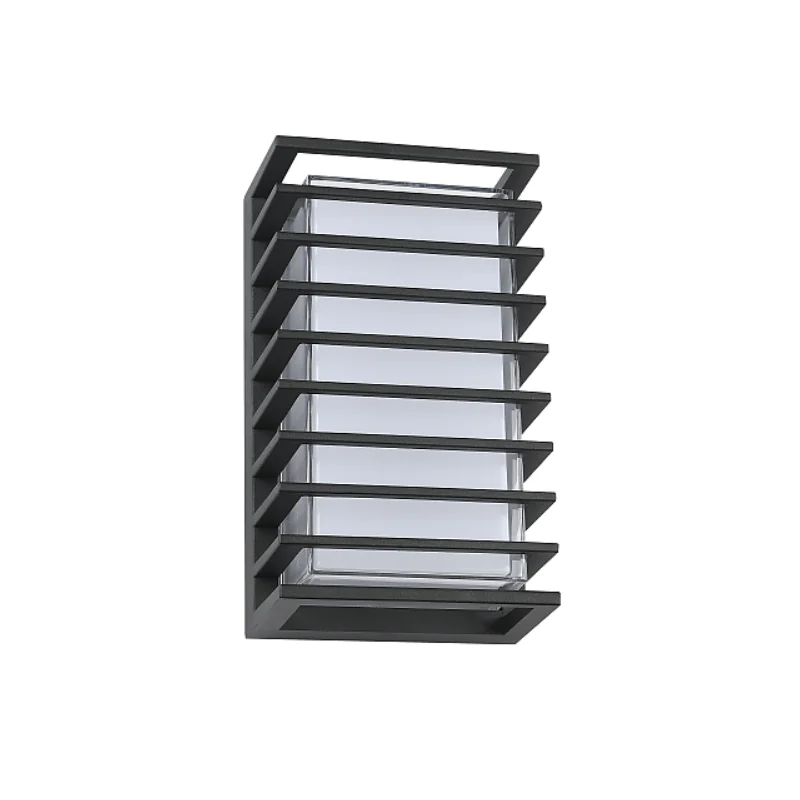
When retail fixtures still make sense
There are cases where retail lights fit: temporary pop-ups, fast-turn renovations with tight budgets, or non-critical auxiliary spaces. But even then, weigh the lifecycle cost. For primary façades, entryways, and guest-facing terraces, architectural-grade units win on reliability, photometric control, and warranty support. And if you’re doing a multi-property roll-out, standardizing on higher-tier fixtures reduces variations in guest experience and operating costs.
Alternatives and trade-offs
If budget’s tight, consider hybrid strategies: use architectural-grade fixtures on primary elevations and high-traffic areas, paired with cost-effective retail units in back-of-house zones. Another route is modular architectural fixtures with replaceable LED modules — they give hotel teams a clear upgrade path without a full fixture swap. Each choice carries a trade-off between upfront spend and predictable operating expense.
Three critical metrics to evaluate before you sign
1) Durability score: verify IP rating and corrosion resistance for the local climate, plus documented mean time between failures (MTBF). 2) Photometric fidelity: demand IES files, consistent lumen output across batches, and color temperature consistency (CCT tolerance). 3) Service and compatibility: confirm dimming protocol, driver replaceability, and a clear spare-parts/support agreement. These three cut straight to the risks that cost time and money on site.
Summing up: hotels aim for long-term performance, controls compatibility, and predictable visual outcomes — not quick bargains. Choosing the right architectural-grade solution keeps guests happy, crews busy with upgrades instead of repairs, and owners off the late-night call list. Keyida. —
