
Hidden costs and quiet frustrations
Last dry season at a small manufacturing unit in Melaka we lost six hours of production and RM12,000 in output — can your cash flow survive that? I want to talk candidly about C&I Solar and one common tool businesses look at first: a solar system for business. I’ve been in B2B supply chain and energy procurement for over 15 years, and I tell you — the promises from some vendors don’t match real site conditions.
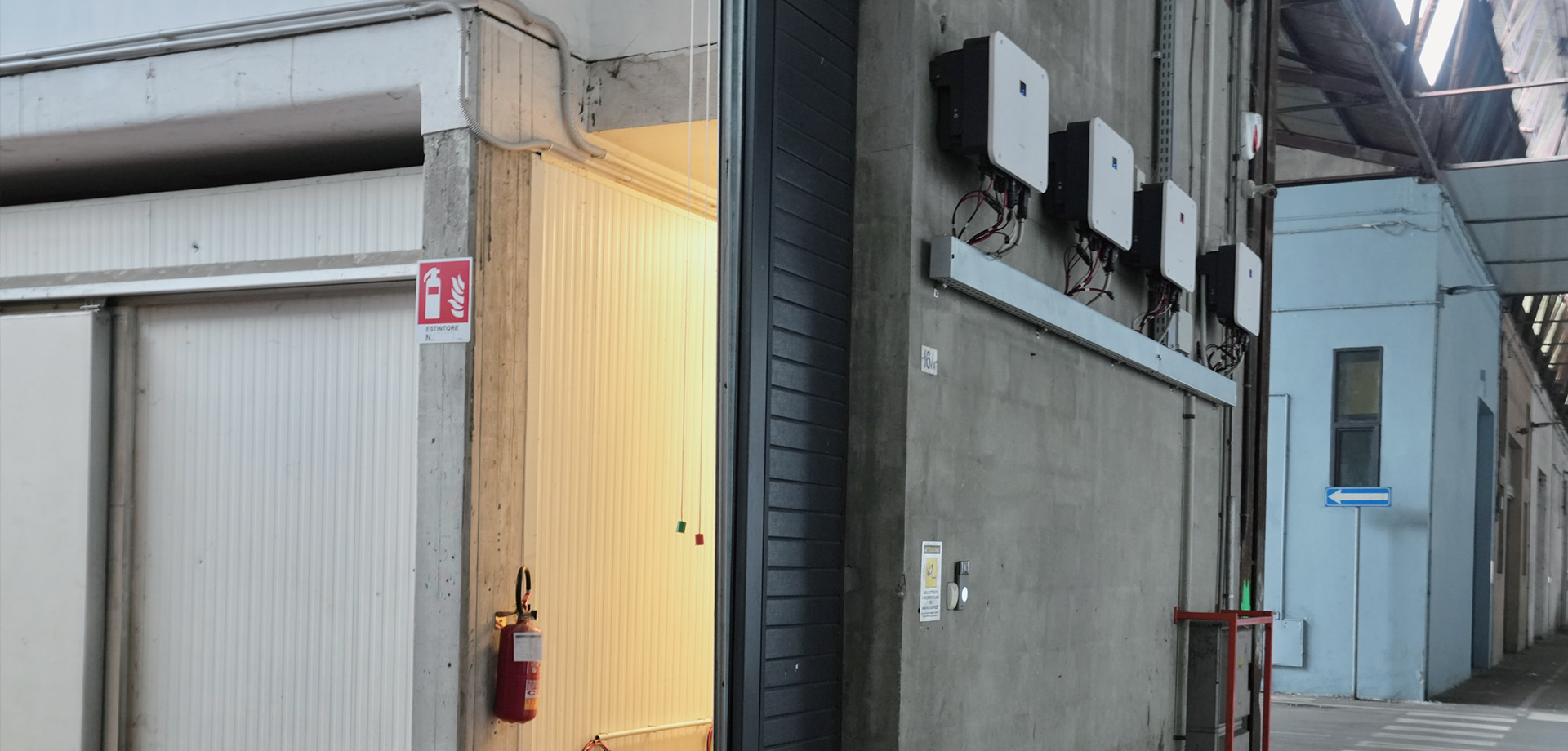
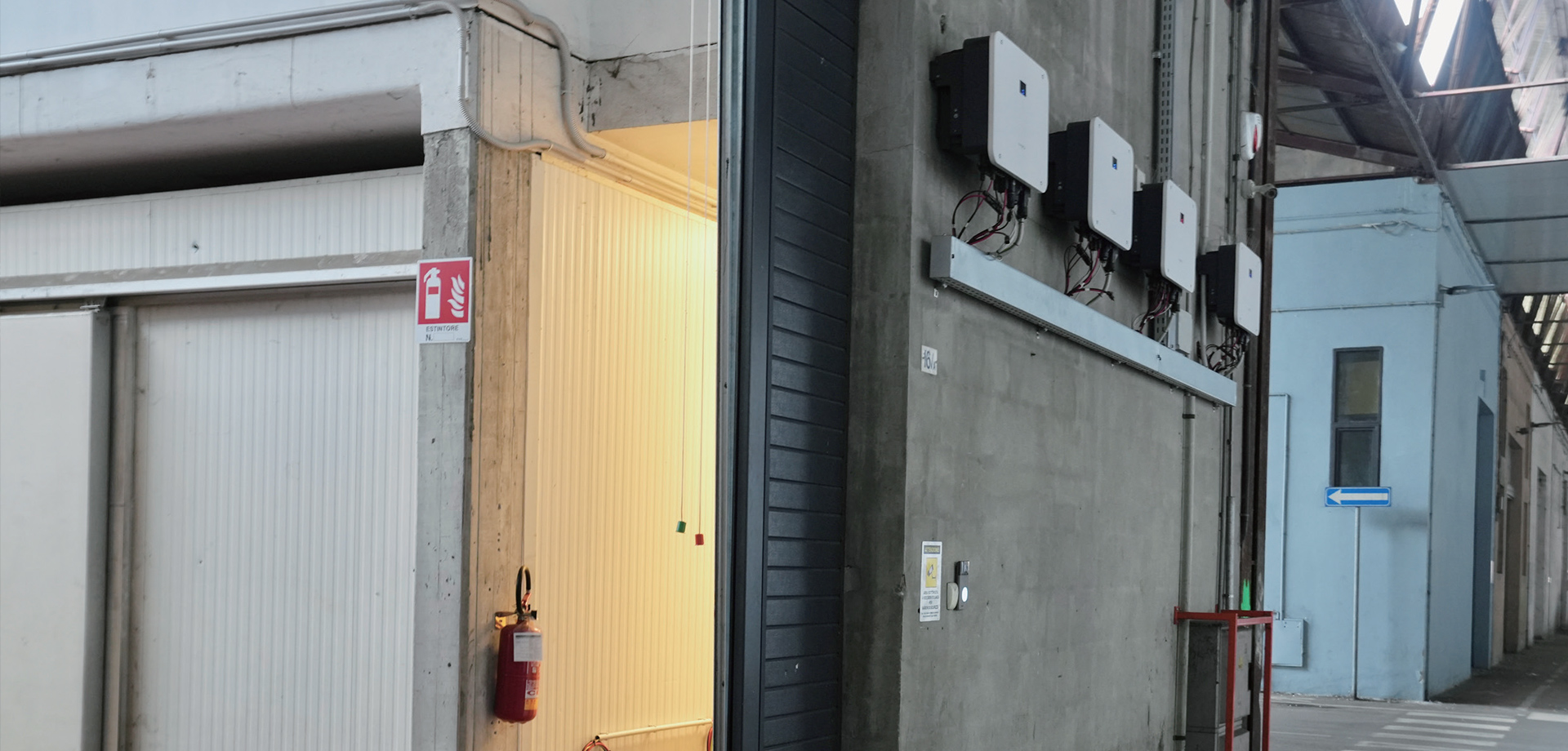
I remember a March 2023 install in Kuala Lumpur: a 50kW string inverter paired with standard multicrystalline PV modules, intended to cut daytime grid draw by 60%. The paperwork said payback in 4 years; actual meter readings after six months showed only a 42% reduction because shading and a mis-specified inverter created clipping losses. That design genuinely frustrated me — and the procurement team had not budgeted for balancing the reactive power (grid-tied issues) or the extra monitoring hardware. These are the subtle failings: optimistic irradiance assumptions, ignored thermal derating, and a one-size-fits-all inverter spec. (Also — some installers skip a proper shade study; jangan like that lah.)
Why do these gaps appear so often?
Two reasons: first, proposals often model perfect sun and perfect module orientation; second, system-level costs like commissioning, SCADA integration, and warranty extensions get treated as extras. I’ve seen quotes that excluded battery storage lifecycle costs and maintenance for combiner boxes. When I audit bids for wholesale buyers, I list concrete line items — string combiner, AC breaker panel upgrade, and remote monitoring gateway — with dates and prices, and that exposes real ROI. For example, adding a modest 100 kWh battery to smooth peak demand in Johor saved one client 18% on demand charges in Q2 2024; measurable, not theoretical.
Comparing paths forward: what to demand, what to avoid
Now, let’s be practical — compare two real approaches: one focused on cheapest upfront price, the other on measured lifecycle performance. The cheap route often uses undersized inverters and ignores harmonics; the performance route designs around site-specific irradiance, uses proper MPPT configuration, and plans for routine thermographic checks. I prefer the latter — it costs more at procurement but reduces surprise outages and keeps warranty claims valid. Consider a modular 100kW central inverter versus four 25kW string inverters: the modular option simplifies maintenance but may cost more to ship and replace; the string approach gives redundancy but increases combiner box complexity. These are trade-offs you should quantify.
For wholesale buyers I give three clear evaluation metrics — simple, direct: 1) Actual measured performance ratio (PR) over 12 months, not vendor-modelled PR; 2) Total cost of ownership (TCO) across 10 years including scheduled maintenance, inverter replacement probability, and battery cycles; 3) Response and SLAs for remote monitoring and warranty repairs (minutes/hours, not days). Use these to compare bids side-by-side. I also advise insisting on site acceptance tests with NDB (night day baseline) and thermal imaging included in contract. Quick aside — procurement teams often forget spare parts inventory; keep one extra inverter transformer or six spare modules on-hand.
What’s Next?
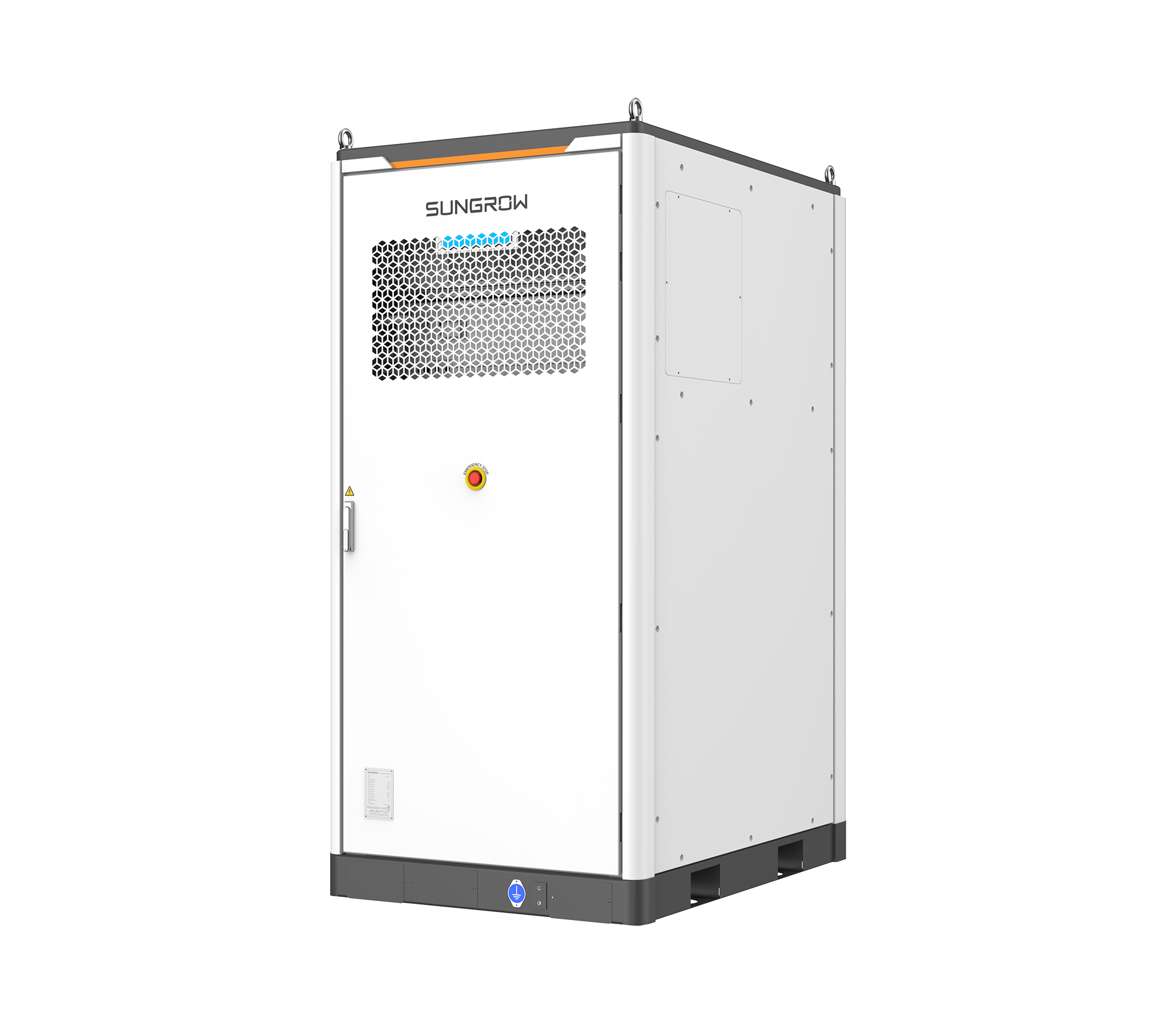
Looking forward, integrate smart metering and demand response features early; a well-designed solar system for business should be part of your electrical roadmap, not an afterthought. I’ve worked with clients who phased installs across 2022–2024 and saved detectable amounts — smaller peak charges and fewer emergency generator hours. Decide metrics, require measured baseline tests, and budget realistically. That way you avoid the “surprise maintenance” story. I’ll keep sharing what I learn from hands-on audits — sometimes abrupt, sometimes reassuring — but always focused on results. Final note: check vendor SLAs, test the PV modules under real tilt, and get the monitoring data feed into your EMS. For trusted tech partners, see sungrow.
