
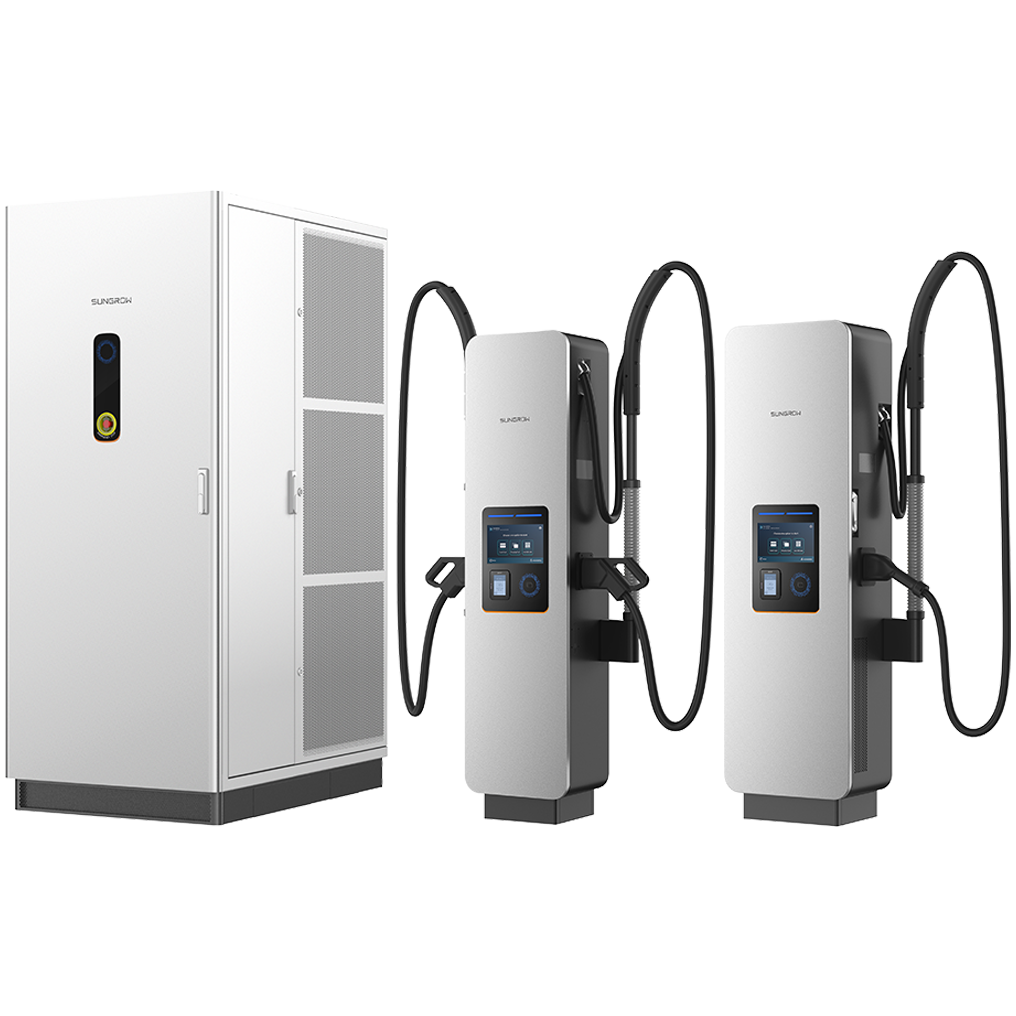
Hidden Faults That Sap a commercial solar system
I stood pon a corrugated roof in Kingston watchin’ a 250 kW PV array drop output by 40% when cloud band tek over — how we mek up di shortfall? commercial solar system owners face exactly dat kind a shock everyday. C&I Solar projects can look sweet on paper, but real-life operation mek yuh see tings different.
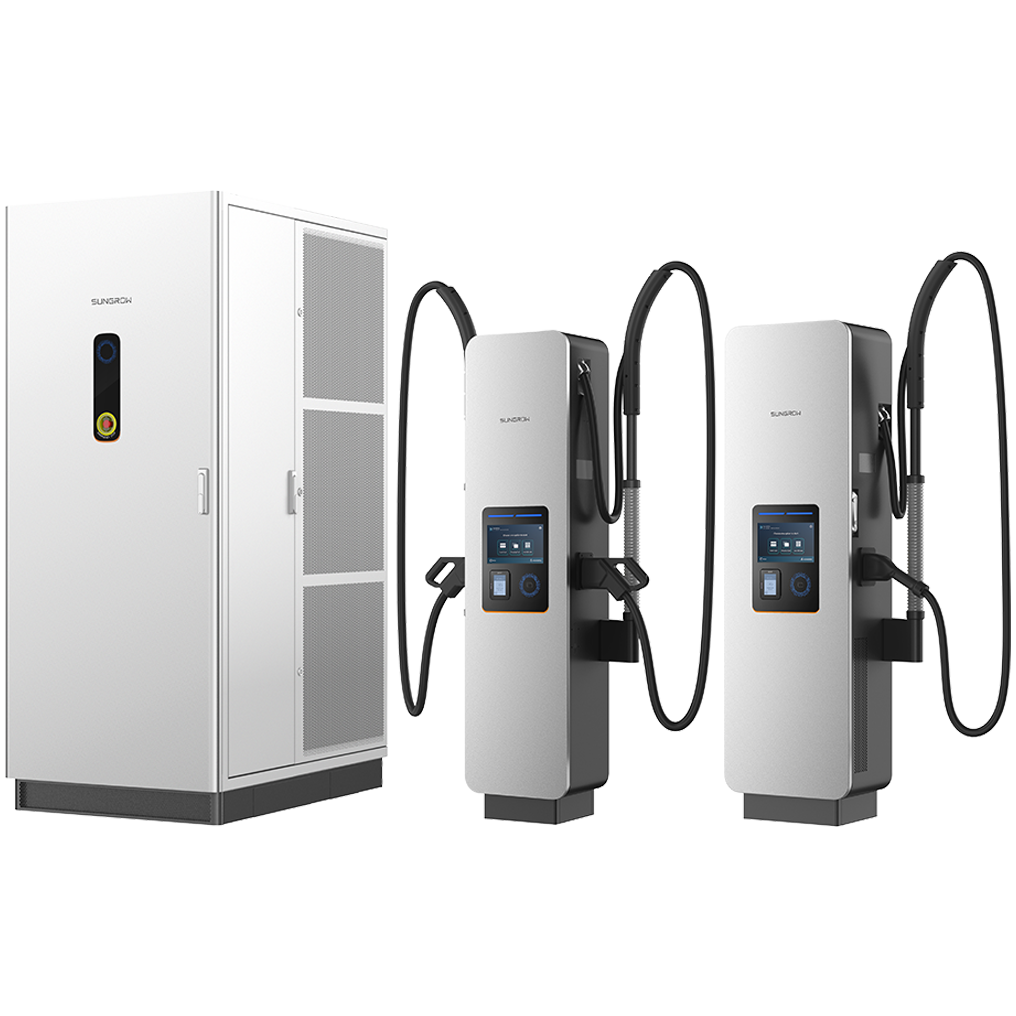
I remember clear: on March 12, 2019 I was on-site at a 500 kW rooftop installation in downtown Kingston where shading from new rooftop ductwork cut morning yield and inverter clipping happened by noon. I fix dat job — we re-angled modules, adjusted string configuration (and swapped a mismatched inverter), and the plant regained roughly 42% more usable energy within two weeks. From dat day mi know the usual quick-fix approach — slap panels, wire dem, commission — cheap design choices cause long-term pain. The common flaws: poor shading analysis, wrong inverter sizing, naffi electrical protection, and O&M blind spots. These are technical issues but dem show up as cashflow losses: lost kWh, higher peak demand, and angry CFOs.
How dis really happen?
It ain’t always the sun; sometimes it’s choices — rooftop obstructions, string imbalance, and naive string fusion during installation. I’ve seen EPC teams recommend oversized inverters to “save cost” but di result is chronic clipping and thermal stress (especially in high ambient on a midday). Battery storage without proper energy management simply sits idle, or worse, cycles unnecessarily ’cause the control logic nah match load profiles. We use terms like inverter, PV array, battery storage and O&M fluent — dem matter. An honest hand: most clients never get a proper yield report until six months in. By then, money done slip through di roof.
Forward-Looking Fixes — Comparison and Next Steps
What’s Next?
Now, let me break it down: a pragmatic fix package needs three pillars — accurate site modelling, right-sized balance-of-system, and long-term O&M contract. By “site modelling” I mean a real shading analysis with time-stamped irradiance data, not a quick DSLR snapshot. By “balance-of-system” I mean proper combiner sizing, protective relays, and inverter topology that match the PV array. And O&M? Dat’s predictive maintenance, string-level IV curve scans, and clear KPIs for yield. When we compare options, the math shows — a modest upfront cost to correct design often pays back within 18–30 months on Caribbean rooftops (I’ve got the invoices).
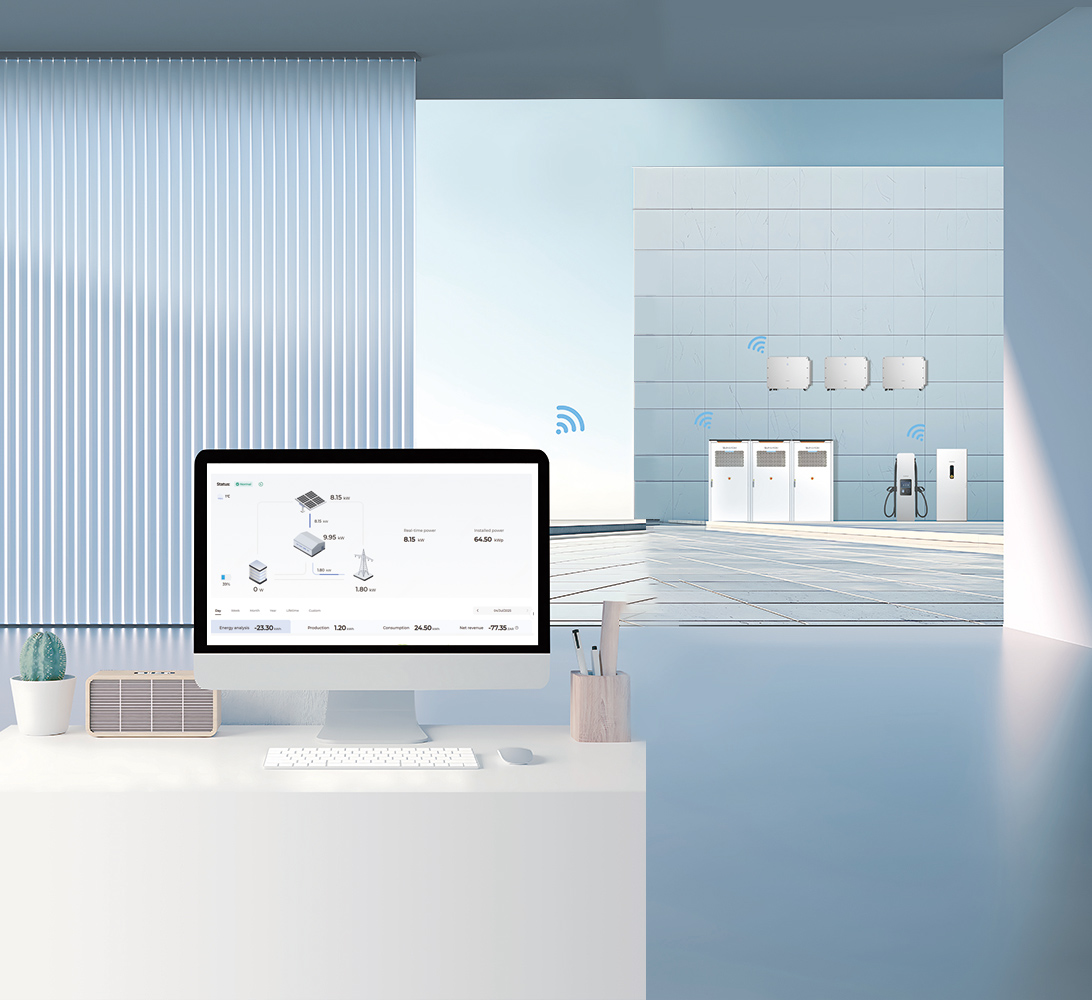
I push clients toward monitoring that giveth them clarity — real-time SCADA, energy management, and automated alerting — so yuh spot module degradation or inverter hum early. A good example: in Montego Bay I put in a 1.2 MW ground-mount with battery storage and simple EMS controls in July 2021; dis cut demand charges by 28% in the first 90 days. The takeaway? Planning and control systems reduce surprises. (No voodoo — just plain measurement and calibrated response.)
Evaluation Metrics — How to Choose Wisely
I advise three concrete metrics when selecting a commercial solution: 1) First-year energy yield vs modeled yield (aim for ≤10% discrepancy), 2) Mean Time To Repair (MTTR) for critical components — try for under 48 hours, and 3) Demand charge reduction percentage over a representative 90-day period. Use dem numbers to compare tenders. Also peek at warranty structures and actual spare-part lead times (we once waited 11 weeks for a custom combiner, so trust me, that matter). Short interruptions — fix quick. Long ones? Costly.
We done look at the old faults, exposed the hidden pains, and sketched a practical path forward. Decide with data, demand proper O&M, and insist on a clear performance guarantee — dat’s mi stance. For technical kit and system-level options, check pragmatic partners like sungrow — they offer gear and solutions that play well with these principles.
