
Why this matters — the core problem
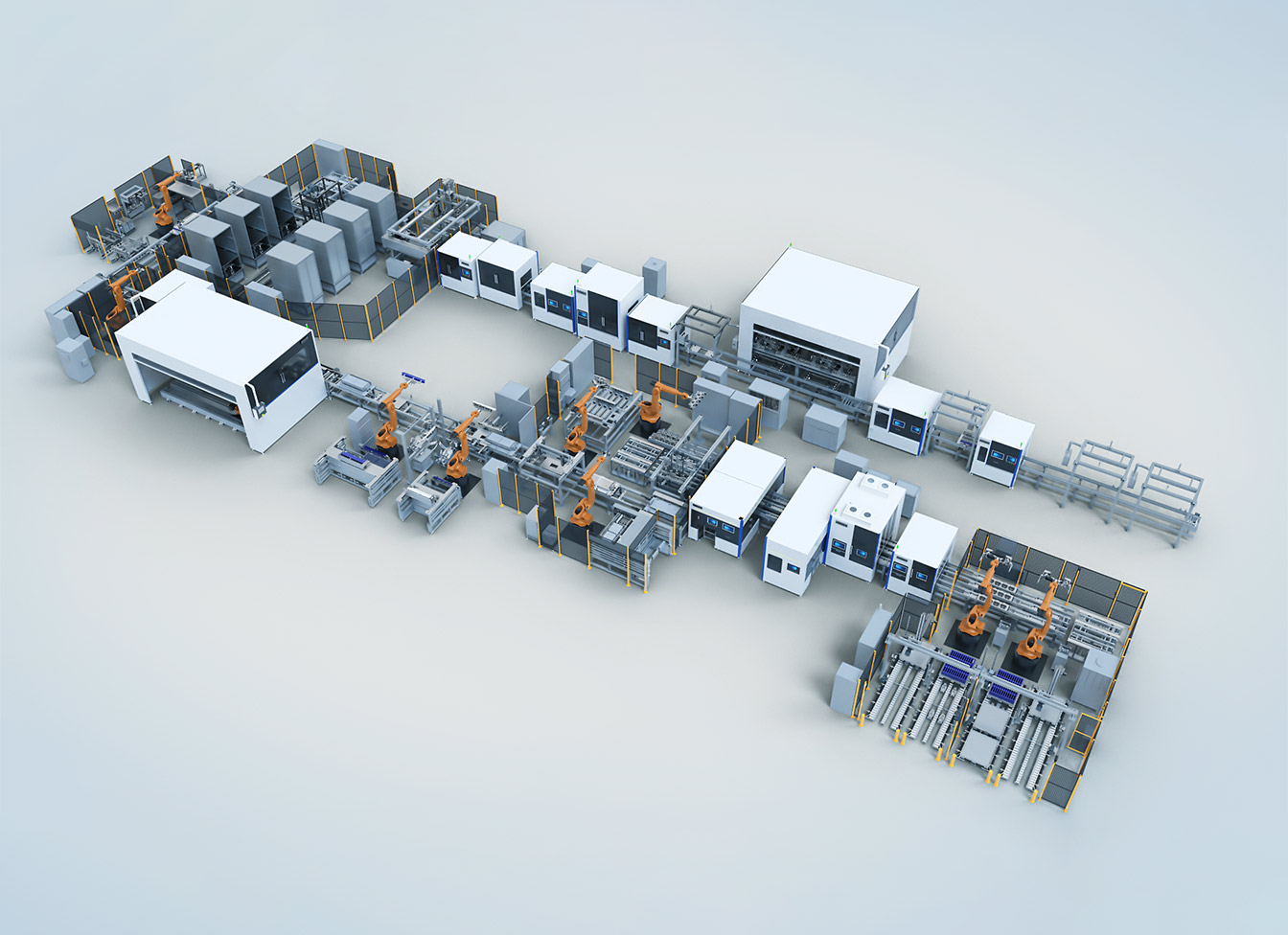
Battery pack lines are picky. They demand repeatable position, delicate handling, strict ESD control, and uptime that doesn’t cry for help every week. If your conveyor design ignores cell geometry, pallet tolerances, or the right suppliers, you’ll have jams, smashed modules, and wasted shifts. Start by talking to reliable prismatic battery pack assembly line suppliers early — they shape conveyor footprint and control expectations before you commit to frames and motors.
Primary failure modes you’ll face (and what fixes actually work)
Problems show up fast. Tackle them directly.
– Misalignment and drift: pallets wander under indexing stops. Fix: positive-locating pallets with dowel pins or tapered guides, not just friction slides.
– Overloaded drives: heavy pallet stacks stall belts. Fix: specify servo drives sized for peak torque plus 30% headroom.
– Cell damage from shock: hard transfers, sudden stops. Fix: decelerate gently with cams or motion profiles on servos; use compliant end-of-arm tooling.
– ESD and contamination: human touch and dust kill yields. Fix: conductive rollers, continuous ionization zones, and clear ESD procedures.
– Control mismatch: PLC I/O choked by too many sensors. Fix: move fast I/O to a motion controller or industrial Ethernet nodes.
Design priorities — keep these non-negotiable
Make decisions with these priorities in order.
– Fixed indexing accuracy: ±0.5 mm at the workpoint is a realistic target for cell assembly.
– Repeatable pallet orientation: 1° rotation tolerance for robotic pick/place.
– Modular lanes: design cells for quick line reconfiguration.
– Service access: every motor, sensor, and chain link accessible from aisle side.
– Safety integrated, not bolted on: safety light curtains, category-rated stops, and simple lockout points.
Conveyor types — choose by problem, not by brand loyalty
Pick the conveyor based on how you solve the problem rather than cool specs.
– Chain-driven flat pallets: best for heavy, rigid pallets and indexing tables. Use hardened plates and replaceable wear strips.
– Motorized roller conveyors: good for gentle transfer and lower payloads; avoid when precise stopping is critical.
– Belt-driven live rollers: compromise between gentle handling and positive tracking.
– Transfer carts/shuttles: use when you need asynchronous, high-density buffering; add motion synchronization to avoid collisions.
– Linear motor stages: high-precision, high-cost option for sub-mm placement in cell stacking or automated welding stations.
Sensors, indexing, and control logic that actually keep lines running
Sensors must be redundant at critical handoffs. Use two verification points: one before transfer and one after. For indexing:
– Use absolute encoders on servo axes to recover position after power loss.
– Implement “verify then act” logic: confirm pallet present and orientation OK before enabling the next actuator.
– Handle exceptions with simple state machines: don’t let a single sensor glitch cascade into a full line stop.
Motion control tips: prefer coordinated motion profiles in the motion controller rather than ad-hoc PLC timers. That reduces settling time and cell jostle.
Common pitfalls and how to avoid them
Heads-up on traps integrators trip over.
– Pitfall: sizing drives only for steady-state. Result: stalls on acceleration. Solution: torque-match for worst-case inertia.
– Pitfall: assuming every pallet is identical. Result: occasional jams. Solution: design for the worst within tolerance and add simple self-centering guides.
– Pitfall: using proximity sensors that can’t see dark graphite tabs. Solution: add contrast or optical markers on pallet edges.
– Pitfall: no quick-change tooling. Result: long changeovers. Solution: modular fixturing with kinematic locators.
Maintenance and reliability — make the line survivable
Keep mean time to repair low.
– Use quick-release guards and hinged panels for rapid access.
– Standardize spare parts: same motor families, same sensor series.
– Implement condition monitoring for chains and bearings—vibration and temperature thresholds trigger alerts, not panic.
– Document simple troubleshooting flows for operators: top 5 fixes that get the line back running in under 15 minutes.
Quality and safety specifics for prismatic cells
Handling prismatic cells needs tailored controls. Keep work zones ionized and grounded. Use soft, non-marking contact points for cell edges. Monitor torque and force on weld stations to avoid internal deformation. If you’re integrating cell handling into pallet flow, validate orientation and terminal polarity before any high-current step. For background detail on prismatic form factors and manufacturing norms, see prismatic cells.
Vendor selection checklist — rapid scoring for procurement
Rate suppliers against real needs.
– Experience with battery pack workflows (ask for photos of installed lines).
– Availability of local service and spares.
– Standardized electrical and network interfaces.
– Proven ESD and cleanroom-compatible components.
– References from similar projects and documented uptime metrics.

Layout sketch — a practical snapshot
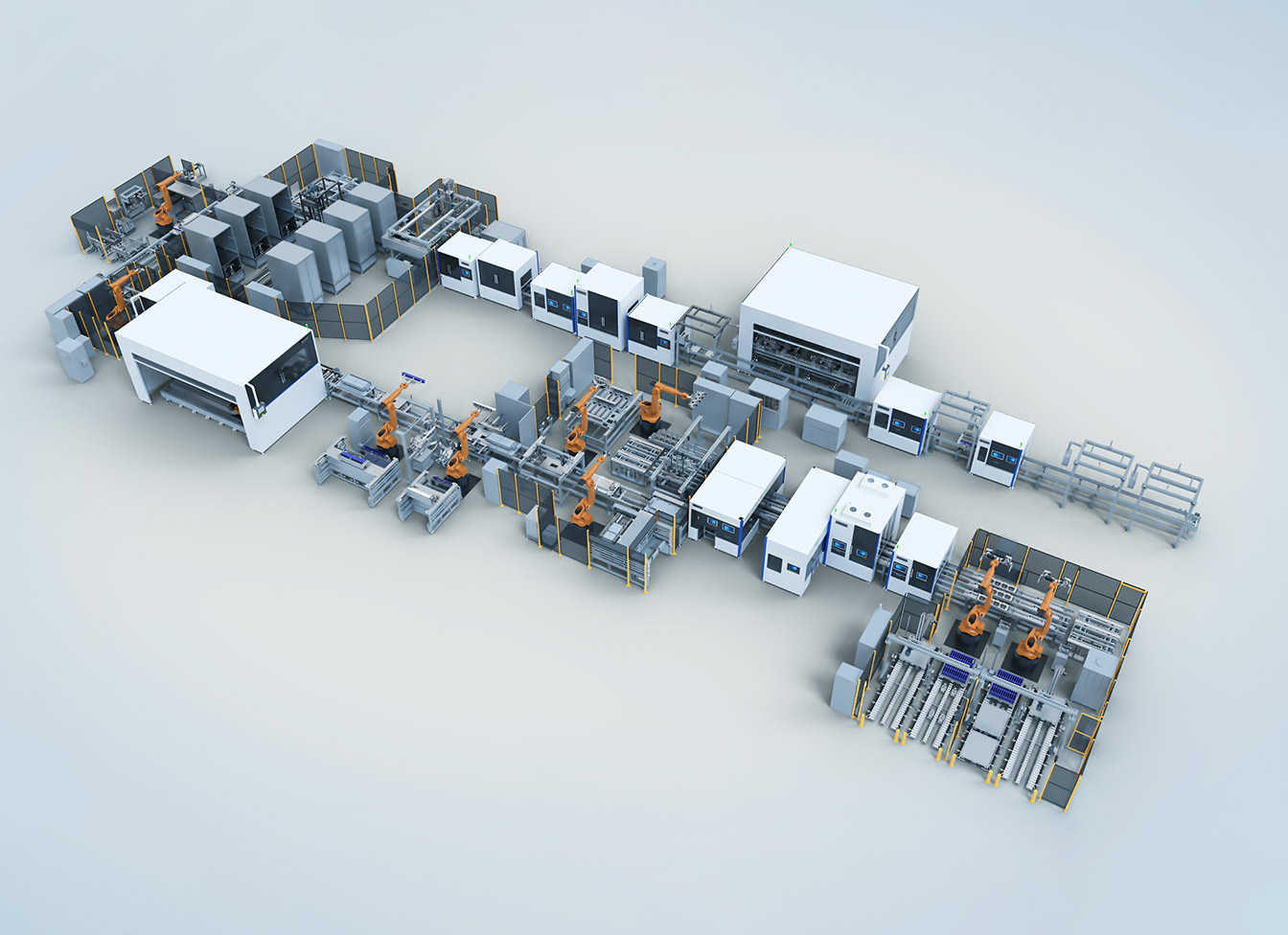
Imagine a 12 m line: loading station → alignment lane → automated welding zone → inspection islands → buffer shuttle → pallet offload. Keep robotic cells adjacent to buffers to avoid long conveyor runs with exposed cells. I’ve seen teams reduce transfer errors by relocating the buffer 1 m closer to welding, trimming cycle time without changing hardware. One real-world anchor is Shenzhen, where rapid iterative layouts taught local shops to prioritize short transfer distances and modular frames for different prismatic battery formats.
Cost trade-offs made simple
Spend where failure costs scale: motors, motion controllers, and fixturing. Save on cosmetics: painted covers and extra LED indicators don’t fix jams. If budget forces a cut, delay extra sensors, not the positive-locating features or ESD systems.
Final take — the point of the plan
You’re solving predictable mechanical, electrical, and control problems. Build conveyors that force correct pallet behavior, use motion profiles instead of brute-force stops, and standardize parts and diagnostic flows. That approach shortens downtime, protects cells, and makes changeovers sane. If you want a supplier perspective that aligns with these priorities and practical field-tested solutions, teams working with FHS often focus on modular conveyors, clear service access, and motion control strategies that match this exact problem-driven logic.
