
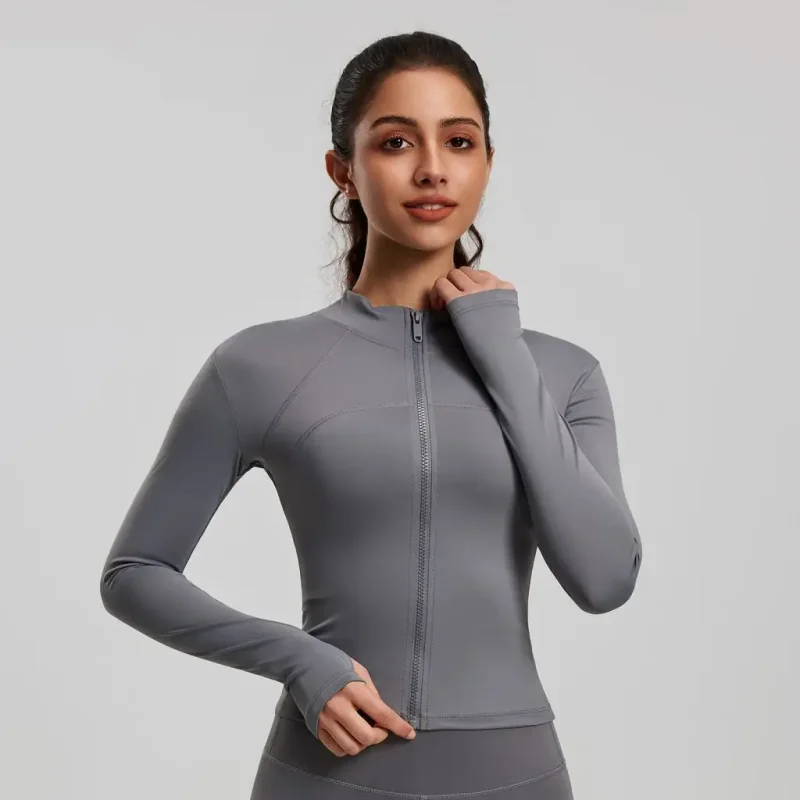
Straight talk: why comparing factories matters
Retailers chasing affordable supply need to weigh more than price from the off; cost, lead time and product fit all shift your margins. Start by checking the shortlist with a trusted yoga wear manufacturer—they’ll tell you what’s realistic for MOQ, fabric runs and production windows. The global activewear market surpassed $350 billion in 2022, so there’s room for new labels, but the wrong factory choice will hollow your profit fast.

Factory types and what they mean for your margins
There are three practical factory models most retailers will meet: local small-batch, overseas high-volume, and hybrid/ODM partners. Each suits different strategies.
Local small-batch: Best for quick sampling and fast turnarounds. You’ll pay more per unit but keep tighter control over fit and colour matching—useful when you need precise techpack tweaks and rapid iterations. Ideal for premium capsule drops using four-way stretch and compression fabric.
Overseas high-volume: Lowest per-unit cost on big runs, but expect longer shipping, customs friction and larger MOQs. This is where sublimation printing and roll-to-roll dye lots save money, yet you must lock quality checks early to avoid returns.
Hybrid/ODM partners: A middle path. They’ll offer design support, consolidated sourcing and negotiated fabric buys—handy if you want to scale without a full-time sourcing team. They often manage cut-and-sew, grading and techpack revisions for you.
Quality checkpoints retailers must insist on
Check these measures before committing to a factory. They’re concrete, and they’ll save you wasted stock.
• Pre-production sample approval: insist on a marked sample with seam allowance, waistband stitch count and waistband grip details.
• Material spec sheet: require GSM, fibre content and a note on colourfastness after 10 machine washes.
• Production QA plan: define inspection points—incoming fabric, mid-line seam strength tests, final stitch count—and who pays for failed lots.
Common mistakes when ordering private label yoga wear
Retailers often assume a lower per-unit price automatically means better margin. That’s daft—hidden costs arrive as reworks, returns and unsold SKU. Many skip a proper techpack and send vague sketches; the result is ill-fitting leggings and unhappy customers. Also, not accounting for packaging and labelling costs will skew your landed cost.
Other slip-ups: ignoring lead-time buffers during peak seasons, and failing to arrange independent inspection. A modest investment in a pre-shipment check often beats the headache of a full container of rejects – you’ll thank yourself later.
Comparative checklist: when to pick which partner
Match these needs to factory types and you’ll avoid guesswork. Use this quick checklist as your yardstick:
• Small-batch: limited SKUs, premium price point, rapid testing cycles.
• High-volume overseas: broad assortment, low retail price, reliable long-term forecast.
• Hybrid/ODM: mid-range pricing, design help, reduced sourcing admin.
Three critical metrics to pick the right factory
Use these golden rules when sizing up suppliers. They’re practical and measurable.
1) Total landed cost per unit — include fabric, trims, packaging, duty, freight and a realistic return allowance. This number tells you if your margin survives the first season.
2) Lead-time reliability — measure mean days from PO to ship across the last six months. Aim for consistency, not occasional speed.
3) First-pass quality rate — percent of units meeting spec on first inspection. Anything under 95% needs a corrective action plan; poor rates erode margins faster than price negotiations ever will.
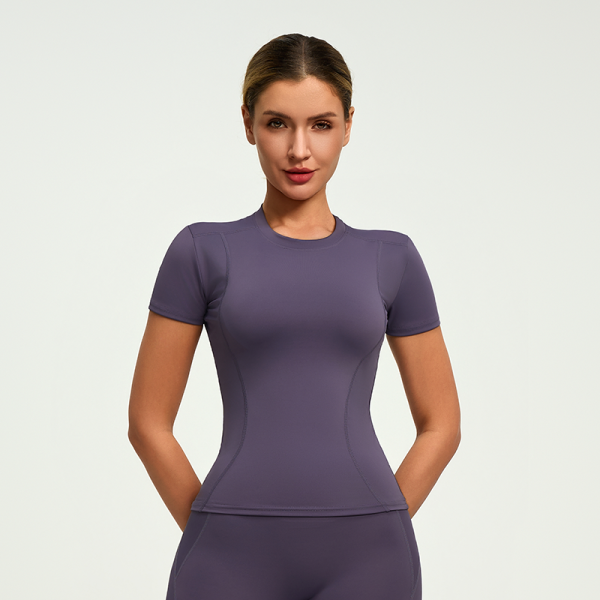
When you tie it all together—cost, quality checkpoints and chosen factory model—you’ll see why some retailers grow steadily while others scramble. Joebond often sits in that middle ground, helping brands scale with sensible MOQs and solid techpack standards, so retailers keep design integrity without blowing budgets. —
