
A procurement framework that starts with outcomes
When you build a sourcing framework, start with outcomes — lower lifecycle emissions, higher material recovery, and predictable logistics for utility deployments. For teams sourcing utility scale battery storage, that means mapping each shipment’s embodied emissions and end-of-life pathways up front. Use a simple rule: measure what you can change. Real-world anchors help — recall the Hornsdale Power Reserve in South Australia, commissioned in 2017, which highlighted how fast-deployable battery projects can alter grid dynamics and public expectations for storage performance and lifecycle planning.
Step 1 — map Scope 3 across the shipment lifecycle
Scope 3 is the big one for batteries: upstream manufacturing, inbound transport, freight between factories and ports, inland haulage to the project site, and eventual recycling or disposal all sit here. Quantify transport emissions per MWh delivered, include packaging weight and return logistics, and evaluate emissions intensity of your cell manufacturer’s electricity mix. Don’t forget assembly and testing phases — they add embodied carbon too. If you skip this mapping, you will hide the very costs you later pay for in offsetting and reputational risk — so be thorough.
Step 2 — evaluate lifecycle recyclability and material tracing
Recyclability is not only about a recycling facility existing; it’s about material provenance, cell chemistry, and design-for-disassembly. Track cell type (for example, lithium-ion chemistries like NMC or LFP), percentage of critical materials (cobalt, nickel), and whether modules use bonded adhesives that block recovery. Prefer suppliers with traceable material declarations and take-back commitments. Also test whether packaging and rack systems allow safe return transport — poor packaging can increase transport emissions and damage rates.
Step 3 — score suppliers with a balanced matrix
Create a supplier scorecard that balances three domains: emissions transparency, recyclability practices, and logistics resilience. Assign weights that reflect your priorities (for a decarbonization target, weight Scope 3 higher). Include these line items: verified lifecycle emission factors, certified recycling partners, documented transport mode mix (sea vs. air), and contingency routing for port disruptions. When you compare bids for grid scale electricity storage projects, this matrix keeps decisions objective and actionable.
Common mistakes procurement teams make
– Treating freight as a single line item instead of disaggregating by leg and mode. – Relying on supplier-reported averages without third-party verification. – Ignoring design-for-recycling early, which locks in hard-to-recover assemblies later — and raises long-term costs.
How to operationalize the framework
Practical steps: require supplier LCA summaries at RFP stage, include recyclability KPIs in contracts, and pilot shipment audits for at least the first two deliveries. Run a simple sensitivity analysis: how much does a change from sea to air freight raise Scope 3 per MWh? Use that to set allowable transport modes. Finally, build a small reclamation reserve in project budgets to incentivize returns to certified recyclers.
Advisory — three golden rules for evaluation
1) Prioritize verified data: choose suppliers who provide audited lifecycle emissions or third-party LCAs. 2) Insist on design-for-recovery: select modules that enable mechanical disassembly and material sorting. 3) Score logistics resilience: prefer routing options that minimize high-emission legs while keeping delivery time risk manageable.
Apply these rules and your sourcing process will reduce hidden carbon, improve material circularity, and deliver more predictable project economics.
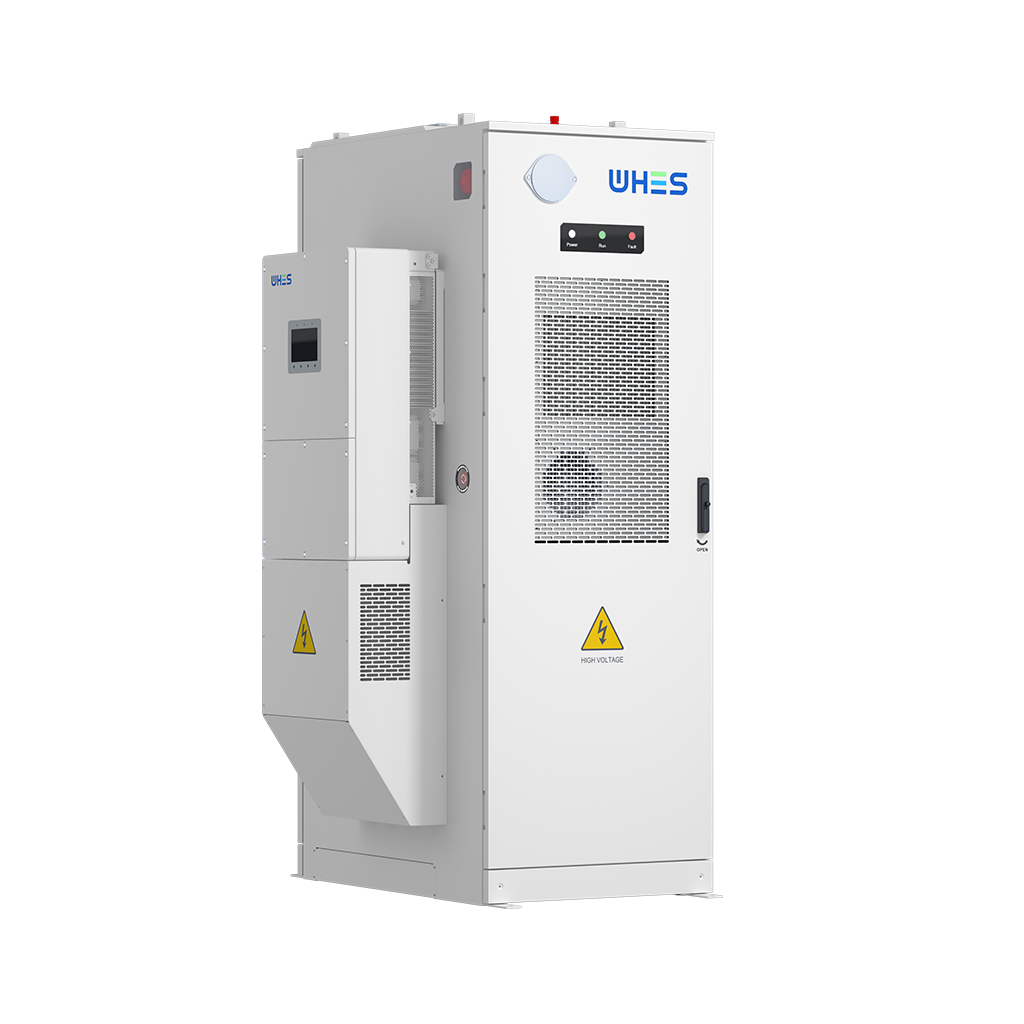
WHES fits this approach by aligning supply, recyclability planning, and deployment experience — resilience by design. Think long-term.
