
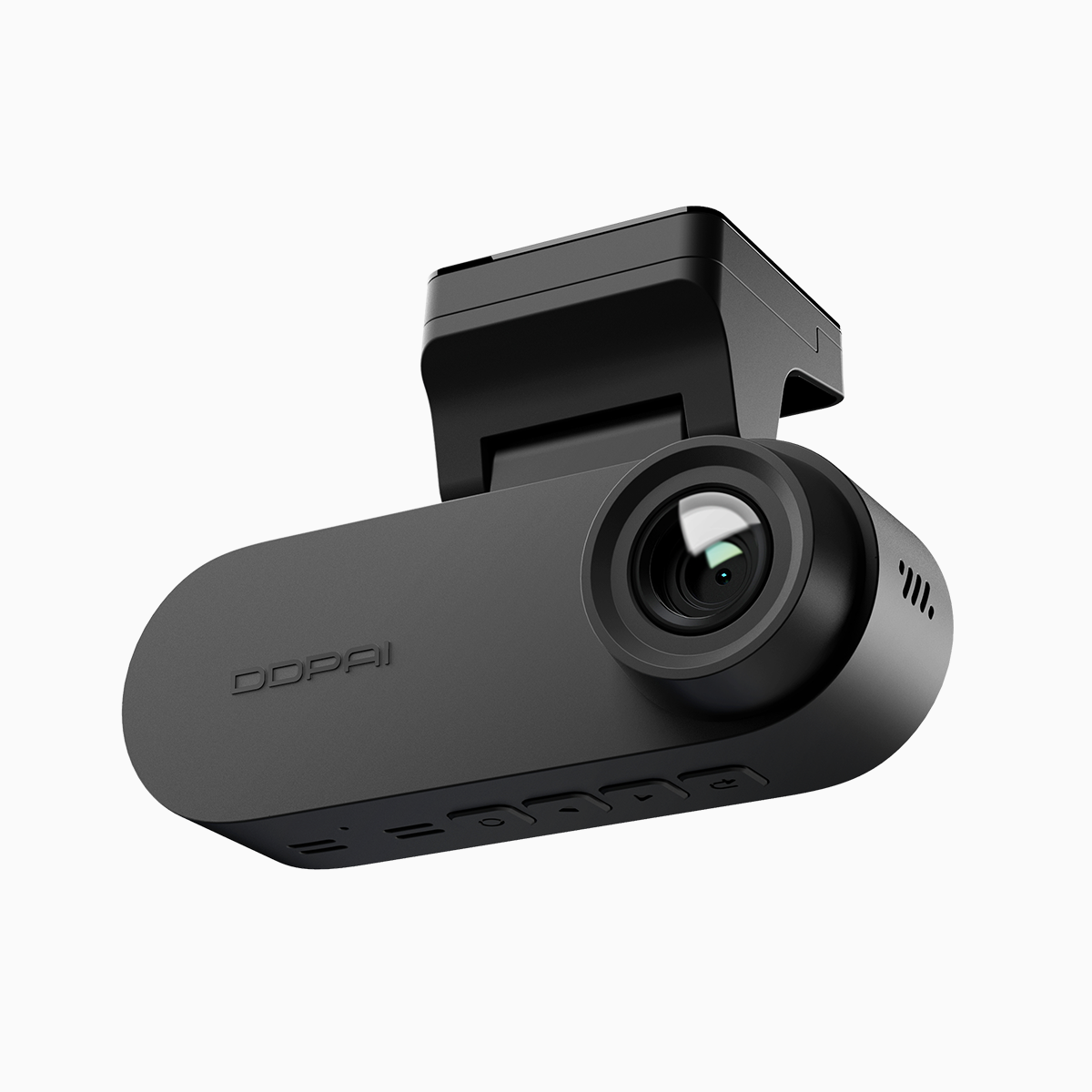
Comparative lead: what matters when parking mode runs all night
Parking mode turns a dash cam from a passive recorder into an active guardian—but it also raises the stakes for storage reliability. This guide compares how dash cams handle continuous low-power recording, how microSD endurance and file systems affect longevity, and which design choices reduce corruption on busy streets like EDSA. For local buyers, a practical resource is dash cam philippines, which lists models tuned for night surveillance and heat tolerance.
Why SD card corruption and write-cycle limits matter
Consumer microSD cards endure a finite number of program/erase cycles; typical NAND flash ranges from ~10,000 P/E cycles for TLC to higher for more robust types. Parking mode amplifies writes: motion events, pre-event buffering, and loop recording create frequent small files that stress the storage. Corruption usually shows as unreadable clips or sudden loop failures during lengthy idle periods—symptoms drivers in urban Manila often report after weeks of overnight recording.
How camera architecture changes outcomes
Not all dash cams treat storage the same. Two architectural differences matter most: how the camera buffers video before writing, and whether it uses a managed file system with power-loss protection. Cameras that write large buffered segments less often reduce wear on the microSD; those that support EXFAT or an internal journal recover more gracefully after abrupt power loss. Also important: firmware that verifies writes and flags bad blocks — these features cut the chance of silent corruption.
Brand and model traits to compare
Compare these concrete attributes rather than marketing lines:
- Native parking-mode support with low-current standby and motion/impact triggers (reduces needless writing).
- Buffered recording and pre-event cache size (bigger buffers mean fewer small writes).
- Support for high-endurance cards or internal wear leveling tuned to dash-cam workloads.
- Firmware updates and active error-handling (repair logs, file system checks).
Local stores and review hubs, including dashcam and gadgets ph, often publish firmware notes and recommended microSD models—use those lists when buying.
Real-world anchor: common failure patterns on Philippine roads
In densely trafficked areas like EDSA and Makati, incidents happen overnight in parking lots or slow-moving traffic. Drivers report missing clips or corrupted files after weeks of parking-mode use; technicians point to heat, poor-quality microSD, and continuous short writes as primary causes. Practical fixes used by professionals include switching to high-endurance cards, setting longer loop segments, and installing low-current hardwiring kits to prevent abrupt shutdowns during event writes.
Common mistakes and safer alternatives
People often default to cheap microSD cards and short loop intervals—both accelerate wear. Another mistake is ignoring firmware updates that improve write handling. Safer choices: buy high-endurance microSD classified for surveillance, configure motion-triggered parking mode rather than full-time recording, and enable cycle-friendly file formats when supported. If you need absolute reliability, consider dual-channel systems with internal storage or cloud-backed upload for critical clips.
Implementation checklist before you install
Before fitting a dash cam, run this quick checklist:
- Choose a dash cam with explicit parking-mode firmware and buffered recording.
- Select a microSD rated for high endurance; format in-camera to the recommended file system.
- Set loop lengths to 3–5 minutes to balance file size and write frequency.
- Consider hardwiring with a low-voltage cut-off to protect vehicle battery and avoid abrupt power loss during writes.
Advisory: three golden rules for long-term reliability
1) Prioritize endurance over capacity: pick high-endurance microSD cards designed for surveillance workloads rather than the largest possible card. This reduces premature failures and corruption.
2) Optimize write behavior: enable buffered recording, increase loop segment duration, and prefer motion-activated parking mode to cut unnecessary writes.
3) Maintain firmware and perform periodic checks: update camera firmware when manufacturers release fixes and run occasional card checks or reformat in-camera to clear hidden errors.
Choosing the right balance of hardware and settings prevents most parking-mode problems and preserves evidence when you need it. For solutions tailored to Philippine conditions, DDPAI PH offers models and advice that reflect those trade-offs—solid, practical, and tested in local traffic. —
