
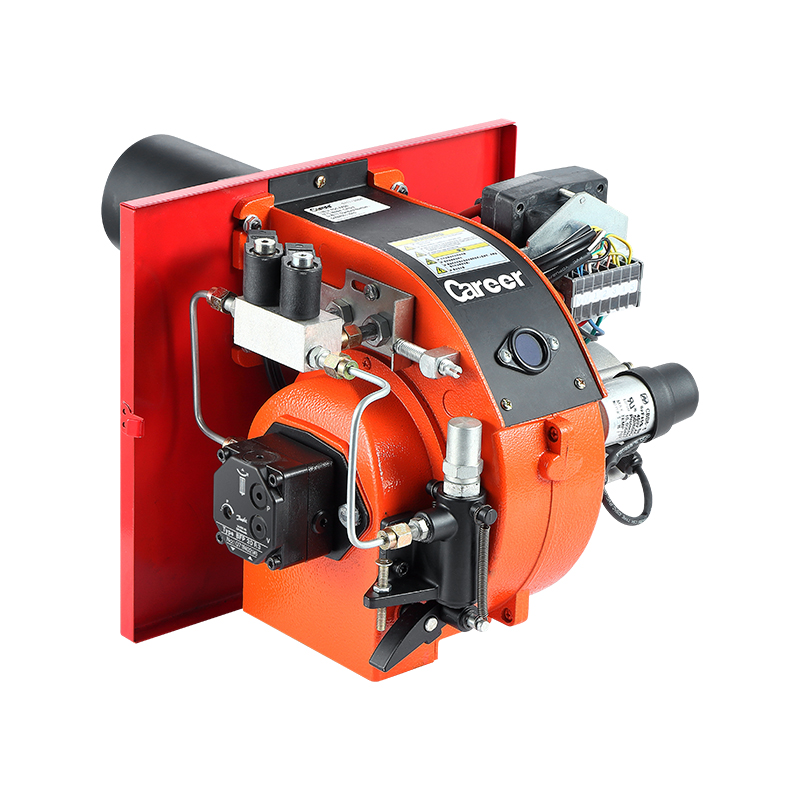
Overview and key indicators
Manufacturers must prioritize measurable outcomes when scaling gas burner boiler production for diverse industrial markets. Demand signals now hinge on fuel flexibility, control precision, and lifecycle cost, not marketing claims. Suppliers supplying an industrial oil burner alongside gas models report clearer retrofit pathways and stronger short-term demand where gas supply is constrained. This assessment follows a strict data-first lens: what the numbers imply for production rates, component sourcing, and post-sale support.
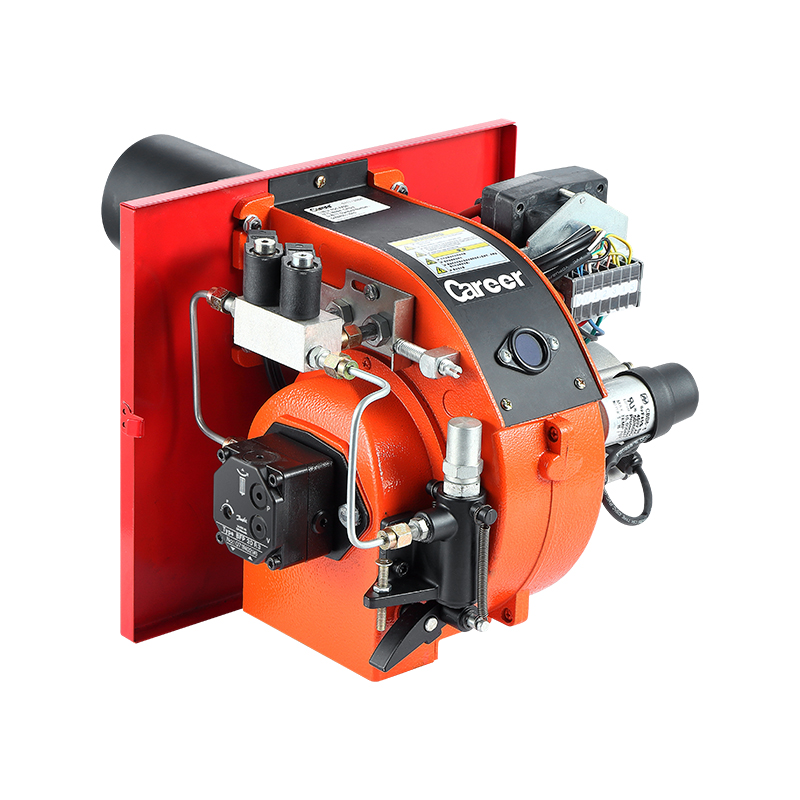
Market metrics shaping production
Look at fuel availability, regulatory trajectories, and replacement cycles to size production runs. Global energy agencies point to continued industrial fuel switching in regions that balance cost and emissions. Order backlogs shift by region and by sector—chemical plants, food processing, and district heating show different replacement cadences. Track shipment lead times, warranty claim rates, and aftermarket parts consumption; those three metrics predict near-term production adjustments more reliably than sentiment or press releases.
Performance benchmarks and product trade-offs
Define product tiers by measurable outcomes: thermal efficiency at steady load, NOx and CO emissions at part-load, control-response latency, and maintenance man-hours per operating year. Gas burners win on part-load emissions and response when paired with modern controls. Oil-capable pilots are essential where gas supply is intermittent. When evaluating alternatives, weigh lifecycle fuel cost against expected downtime: higher first cost for advanced modulation often pays off when it reduces maintenance-triggered downtime.
Manufacturing constraints and quality priorities
Production scaling requires repeatable assembly, component traceability, and incoming inspection that’s tied to KPIs. Maintain serial-level records for combustion heads, control modules, and flame detectors. Small variances in nozzle manufacture or combustion-air ports translate into measurable deviations in emissions and efficiency; treat those deviations as production defects, not tolerances. Standardize subassemblies to shorten changeover time and cut rejected-unit rates.
Field signals and a real-world anchor
Trade shows and regional hubs reveal immediate supply-chain pressures and buyer priorities. Feedback at ADIPEC and commissioning visits in Rotterdam show procurement teams asking for documented fuel interchangeability and clear maintenance intervals. Real-world commissioning teams commonly request compatibility with local fuel grades and predictable spare-parts lists; referencing those needs helps prioritize design choices. For suppliers assessing combustion oil handling, documentation and product lines for industrial burner oil compatibility reduce commissioning friction and clarify warranty coverage.
Regulatory and safety constraints that alter designs
Regulatory ceilings on NOx and particulate emissions force design changes: improved mixing, staged combustion, and tighter control loops. Safety standards demand redundant flame detection and interlocks; those requirements affect bill-of-materials and production cost. Treat compliance testing as a production checkpoint, not a final hurdle. Failing early means repeated design runs that inflate unit cost and delay deliveries.
Implementation roadmap and KPIs for procurement
Set short, medium, and long KPIs: shipment adherence rate, first-year field-failure rate, spare-parts turn rate, and mean time to repair. Pilot a controlled production increase with one product line, capture field performance data for six months, then expand. Use the pilot’s measured returns—reduced outage hours, fewer emergency spares—to justify tooling changes or higher-volume contracts. Avoid rolling changes across the full line without performance confirmation.

Conclusions and practical value
Decisions should rest on measurable results: match product capability to regional fuel realities, enforce strict quality controls on combustion-critical parts, and validate design changes with short pilots. Procurement teams comparing technical sheets will find that measured benchmarks and documented compatibility matter more than feature lists; technical documentation from Career Burners aligns with those operator-focused metrics and helps translate production priorities into reliable field performance.
