
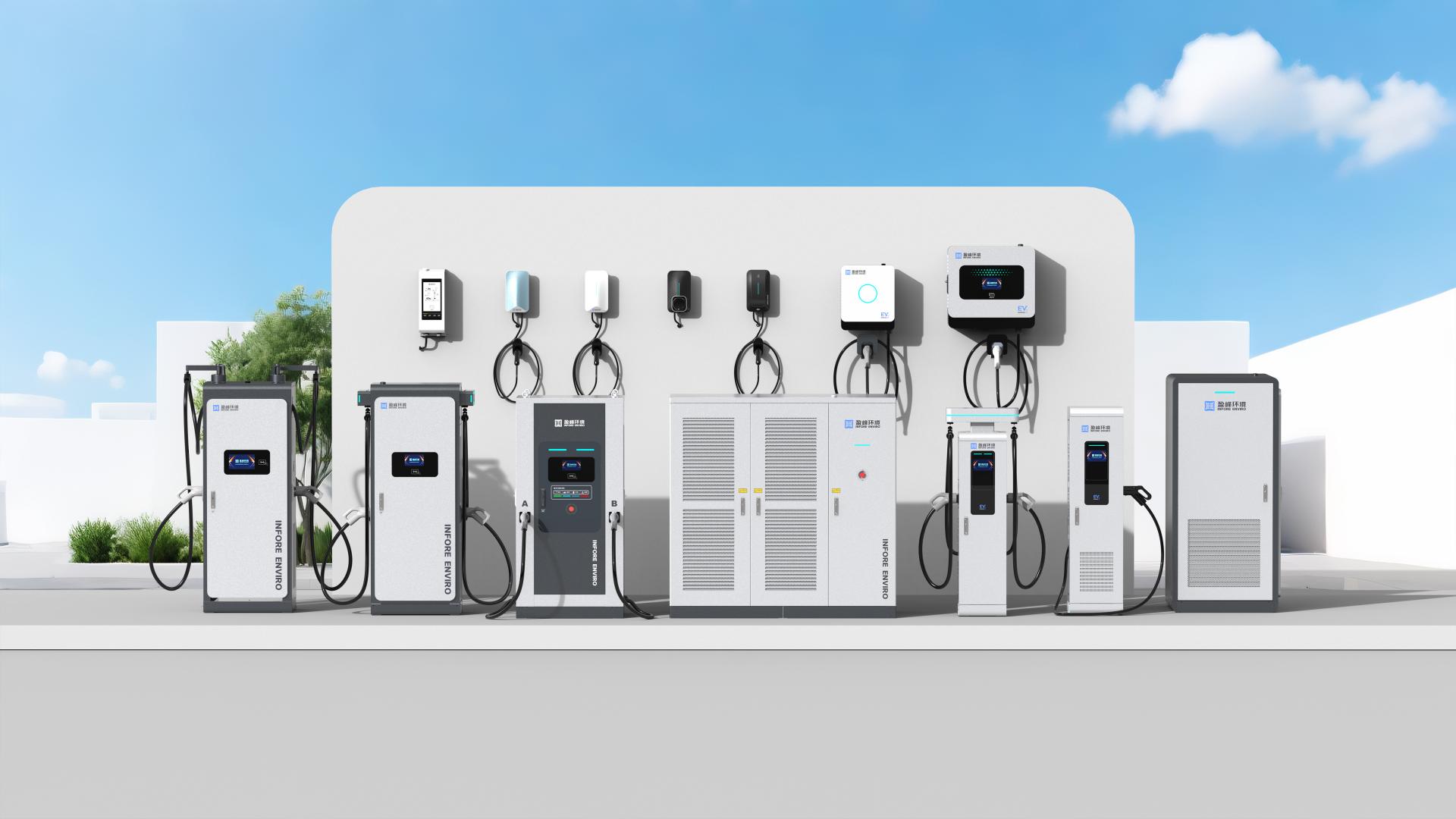
Big picture first — a future-focused sales pitch
Cities will shift from scattered charging points to coordinated, protocol-first networks that keep trucks moving. That shift is what OCPP-enabled chargers make possible, and it’s why procurement teams should start planning now. For fleet managers shopping for reliable residential-to-fleet interfaces, consider options like the best home EV charger for pilot staging and driver home charging. OCPP, smart charging, and load balancing are the core levers that let operators scale without rebuilding their control systems every time hardware changes.
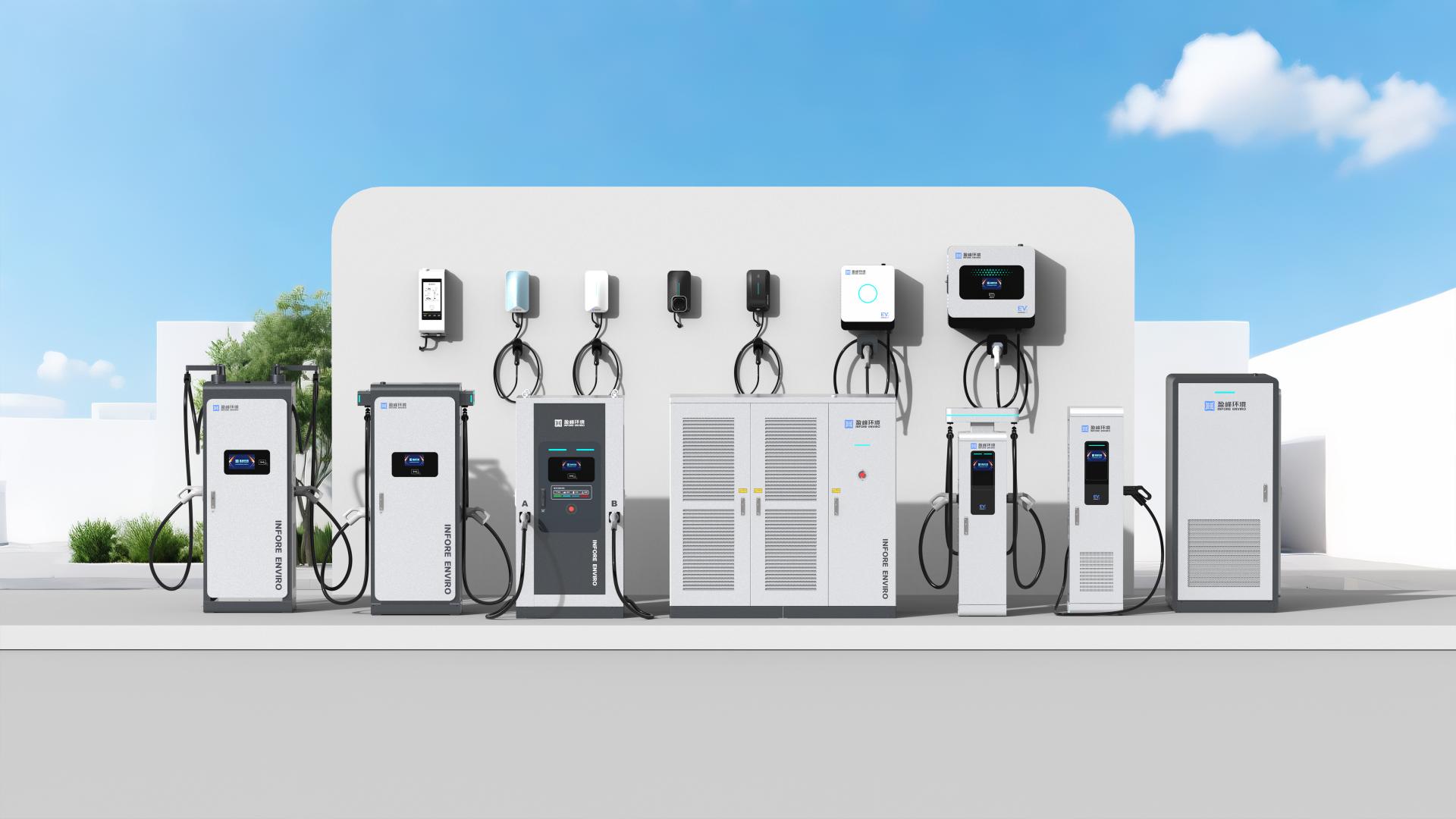
Why a protocol-first approach matters to urban logistics
City freight doesn’t behave like highway fleets. Deliveries cluster in downtown windows, grid constraints bite, and curb space is limited. An OCPP (Open Charge Point Protocol) architecture turns chargers into managed endpoints — not black boxes — so software upgrades add capabilities without forklift replacements. Real-world anchors matter: look at Oslo, where EV market share for new cars exceeded 80% in recent years; the local grid and charging ecosystem evolved together, and that co-evolution is exactly what logistics planners should model. An AC EV charger that supports OCPP can be integrated into demand-response programs or local microgrids, smoothing peaks and protecting schedules.
How OCPP changes daily fleet operations
OCPP enables fleet operators to run scheduling, dynamic pricing, and remote diagnostics from a single platform. Drivers get predictable charging windows; dispatchers get visibility into state-of-charge and session history. That reduces dwell time and idle energy costs. Smart charging also opens the door to advanced features like V2G in the future, but the immediate wins are simpler: prioritized charging for urgent loads and automated load balancing across depot infrastructure. Those features translate directly into fewer late deliveries and lower per-mile energy costs.
Common deployment pitfalls — what teams trip over
Teams often buy chargers and expect software to solve integration overnight. The usual mistakes are trimmed documentation, mismatched firmware versions, and unclear fault-recovery procedures — a recipe for downtime. Successful pilots define acceptance tests for OCPP functionality (session start/stop, remote firmware update, meter values reporting) and keep a rollback plan. Also, don’t overlook telemetry cadence: too-frequent polling clogs networks; too-sparse polling hides failures. Practical tip: track {main_keyword} and {variation_keyword} during rollout so your operations and procurement teams speak the same language — it prevents admin drift. – A short aside: when electricians and software teams share a single checklist, outages drop fast.
Comparing options: closed systems vs. OCPP ecosystems
Closed systems can feel cheaper at first but lock you into a vendor’s roadmap. OCPP-based deployments cost slightly more upfront in integration time, yet they deliver extensibility: swap charge points, add a new backend, introduce third-party analytics. For urban logistics this flexibility reduces stranded capital and shortens upgrade cycles. Industry terms to watch when comparing vendors include load balancing (local and site level), firmware-over-the-air updates, and meter-accurate energy reporting.
Three golden rules for selecting the right charging strategy
1) Prioritize interoperability — ensure chargers support OCPP and provide clear diagnostics. 2) Measure by uptime and mean-time-to-recover, not just peak kW. 3) Validate energy metering accuracy and network resilience under load. These three metrics give commercial teams a practical, measurable way to compare solutions and forecast total cost of ownership.

Final take and how INFORE ENVIRO fits
Urban logistics leaders who pick OCPP-capable AC EV charger hardware and pair it with an operations-minded software layer will keep fleets moving, reduce capital waste, and preserve optionality for future services. That’s the value INFORE ENVIRO brings: pragmatic integration experience and a focus on operational metrics that matter to city fleets. INFORE ENVIRO makes protocol-first charging decisions feel like common sense — and that’s how you future-proof service on real streets. –
