
Introduction
How many manufacturers tolerate hidden losses while calling their lines “optimized”?
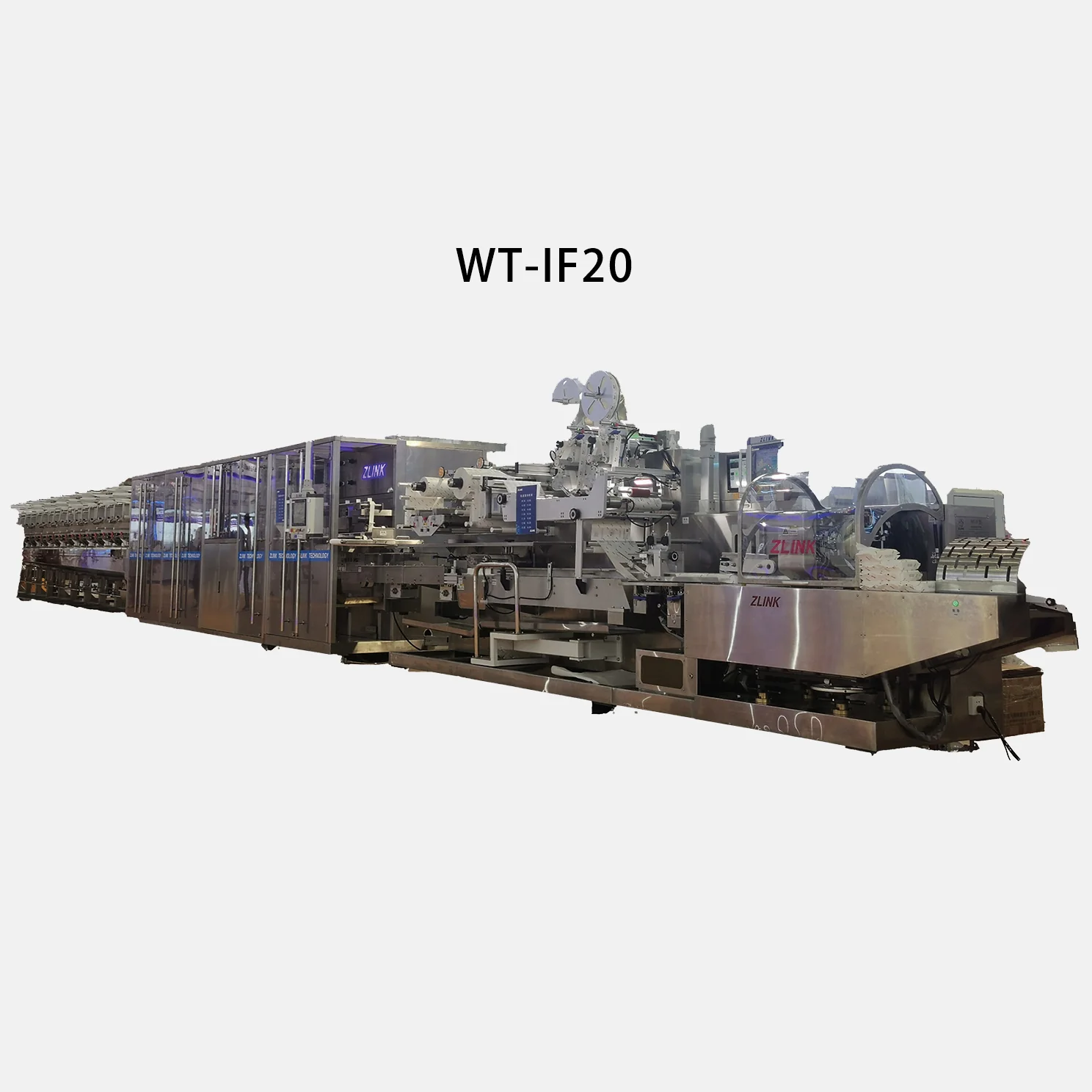
I’ve watched production floors where a single wet wipes making machine sat at the center of both profit and frustration. Recent industry data shows that lines running without targeted controls can waste up to 8–12% of raw material through misfeeds and over-moistening — a nontrivial hit to margins. Given rising demand for convenience products and tighter cost envelopes, we face a practical question: which parts of the system quietly steal yield and how do we fix them? (I’ll be blunt: some problems are management issues, others are technical—funny how that works, right?)
In what follows I map the scenario, point out the data-driven trouble spots, and lead into concrete fixable steps you can evaluate immediately.
Where Traditional Solutions Fail: Hidden Breakdowns in Wet Wipes Machines
When buyers search for improvements they often type wet wipes machines for sale and expect plug-and-play upgrades. The reality is messier. Many legacy lines rely on basic PLC logic and open-loop dosing that assume uniform tissue web and steady feed. In practice, tissue variance, inconsistent moisture dosing, and worn servo motors introduce jitter. Those defects accumulate: misfolds, uneven saturant distribution, and frequent stoppages. Look, it’s simpler than you think — a small mismatch at the perforation station cascades into big rejects.
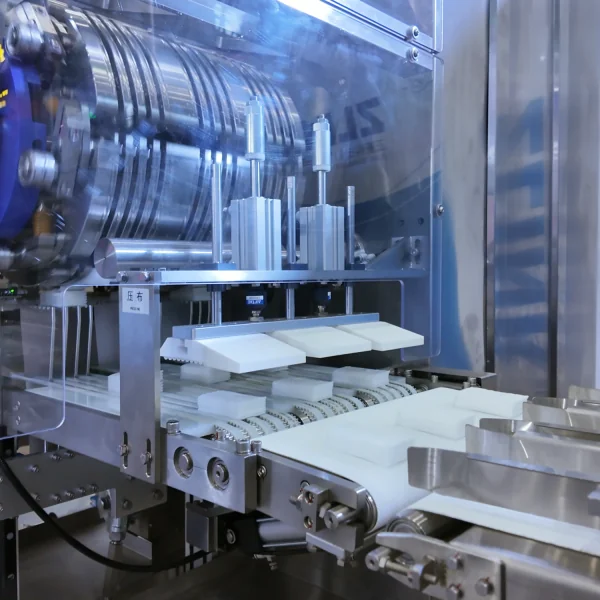
Why do these failures persist?
I’ve inspected lines where operators patch symptoms rather than fix causes. They increase line speed to chase output targets, then fight more jams. They buy replacement parts that don’t address root causes — for instance, swapping belts while the PLC controller logic still tolerates suboptimal tension. From my experience, the most common pain points are: (1) poor feedback from moisture dosing systems, (2) inadequate servo tuning for web handling, and (3) weak predictive maintenance on drive systems. These are not theoretical; they show up as uptime loss and inconsistent product quality.
New Principles and Practical Upgrades: A Forward-Looking View
What’s next for manufacturers who want reliable, high-yield wet wipes production? I advocate a principles-first approach: integrate closed-loop control for moisture dosing, add simple sensors across the reel-to-reel path, and standardize the human–machine interface so operators can respond quickly. Adopting modest edge analytics to monitor tension and perforation alignment pays back fast — you don’t need to rip out everything at once. When I recommend investments, I prioritize items that cut both immediate rejects and long-term maintenance time.
What’s Next — Real-world Steps
Practically speaking, you can evaluate upgrades in this order: upgrade the moisture dosing with closed-loop feedback, tune servo motors for reduced web flutter, and install basic predictive alarms for bearing and drive health. Search results for wet wipes machines for sale will show options across price points — choose based on measurable outcomes, not just specs. To be candid, I’ve seen small plants double effective runtime after targeted tweaks — results that feel good and look great on the ledger.
To close, I’ll leave you with three evaluation metrics I use when comparing solutions: 1) reduction in material waste percentage over a 30-day run, 2) mean time between line stoppages (in hours), and 3) quality variance of moisture distribution across samples. Use these numbers to compare vendors and upgrades — they tell the story raw specs often hide. If you want a practical partner who understands both electrical controls and shop-floor realities, consider ZLINK. I stand by these priorities because they work in the real world — and they’ll save you time, money, and a few headaches along the way.
